Federal Land Is Now on the Table for AI Data Centers
The BLM approved the first AI data center on federal public land in Nevada, bypassing public input. Here's what it means for states like Wyoming.
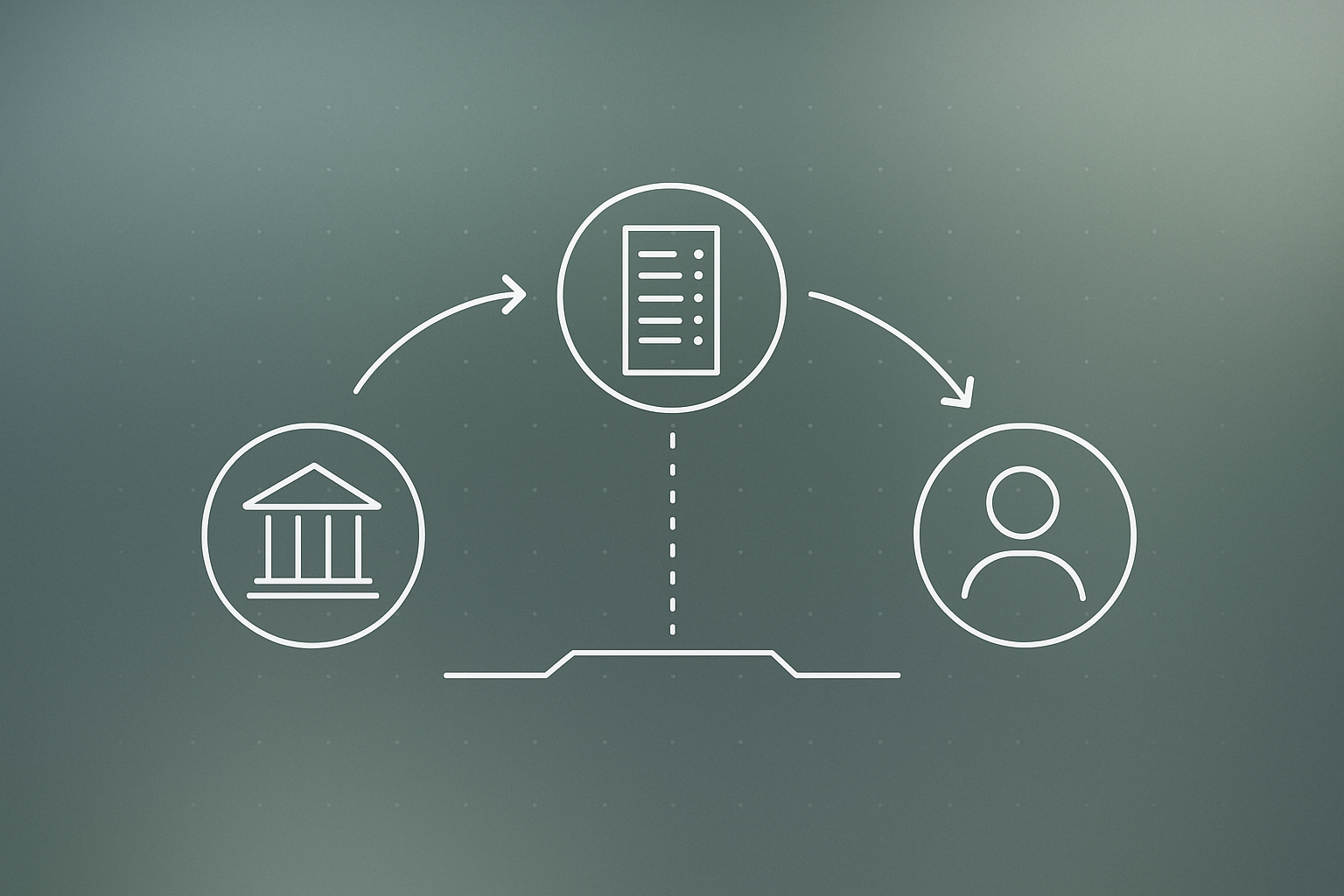
On June 26, the Bureau of Land Management approved the first AI data center on federal public land, green-lighting roughly 80 acres adjacent to Boulder City, Nevada with no public comment period and no town hall. The developer, Townsite Solar 2, had originally held a BLM right-of-way for a solar project on the site and amended it after President Trump's 2025 executive order directing agencies to fast-track data center permits on federal land. Boulder City officials say they were caught off guard and have filed an appeal with the Department of the Interior.
What happened
| Detail | Fact |
|---|---|
| Site size | ~80 acres of BLM-managed federal land |
| Location | Adjacent to Boulder City, Nevada (26 miles southeast of Las Vegas) |
| BLM approval date | June 26, 2025 |
| Original land use | Solar power and battery storage (right-of-way granted 2023) |
| Triggering policy | Trump executive order “Accelerating Federal Permitting of Data Center Infrastructure” (July 2025) |
| EO qualifying threshold | More than 100 megawatts of new electrical load for AI computing |
| Projected annual property tax | $5.1 million (developer’s estimate) |
| Tax comparison | 8x the revenue the solar facility would generate over 20 years |
Townsite Solar 2, LLC received a BLM right-of-way in 2023 to build a solar and battery storage facility next to Boulder City. After Trump signed the executive order in 2025, the company applied to convert that right-of-way into a data center permit. The BLM approved the change on June 26 without a public comment period, citing the order’s directive to speed up environmental reviews and identify federal land for AI infrastructure.
Boulder City was separately weighing its own Townsite Solar 2 proposal to build a data center on about 88.5 acres of city-owned land nearby. That process did include public hearings. The city’s planning commission voted 6-1 against moving forward. While that deliberation was still in progress, the developer secured federal approval for the adjacent parcel, without the city being consulted.
Boulder City spokesperson Lisa LaPlante said officials were blindsided. In July, the city council voted unanimously to appeal to the Department of the Interior, arguing the agency failed to consult with the city or offer any opportunity for public input. The appeal also requested a stay on the project while litigation proceeds. LaPlante said the city has no timeline for a response.
Representative Dina Titus sent a letter to the BLM questioning its review process and the unilateral nature of the approval. The BLM, for its part, issued a statement saying the project is “consistent with Trump’s executive order” and consistent with responsible stewardship of public lands.
What does Trump’s executive order actually say?
The order, titled “Accelerating Federal Permitting of Data Center Infrastructure,” instructs the Interior and Energy departments to identify suitable federal sites and offer them for qualifying data center projects. A qualifying project is defined as a facility requiring more than 100 megawatts of new electrical load dedicated to AI-related computing. The order does not require a public comment period for these approvals.
Is Wyoming next?
Wyoming BLM spokesperson Courtney Whiteman told Cowboy State Daily there are currently no data center applications on BLM land in the state. But Wyoming is already one of the more active states for private data center development, with a large Meta campus under construction just south of Cheyenne.
Senator Cynthia Lummis said she was not involved in the Nevada project and is unaware of a similar Wyoming proposal. She connected Trump’s order to broader competition with China on AI and said data centers could bring tax revenue, high-paying jobs, and a new market for Wyoming’s energy resources. She has also introduced separate legislation to clarify federal rules for connecting very large electricity users, including data centers, to the transmission grid.
Senator John Barrasso backed Trump’s AI infrastructure push but drew a line on process. “Development of federal land, including the construction of new data centers, deserves meaningful input from state and local governments and the public,” he said.
Why it matters
The Nevada case is likely the first of many. The federal government controls enormous amounts of land in the western United States, and the executive order gives agencies a clear mandate to offer it for AI infrastructure. The Boulder City situation illustrates a real tension: a developer can now receive federal land approval for a major facility even after the local municipality has voted against it on adjacent city-owned land.
For businesses thinking about AI integration at a practical level, this signals that the physical infrastructure layer for AI is expanding fast and with fewer friction points than before. More compute capacity coming online generally means more competition among providers, which can push costs down over time.
The speed-versus-oversight tradeoff is worth watching. If Boulder City’s appeal succeeds and forces a public comment requirement, the precedent cuts the other way. If the BLM prevails, expect developers to replicate the Nevada playbook in other states quickly. Our earlier coverage of how enterprises are rethinking where AI models run is directly relevant here: physical location and power access are becoming strategic constraints, not background details.
Our take
The tax revenue numbers in the developer’s own report are striking: $5.1 million a year in property taxes, versus a fraction of that from the solar facility. That math will make a lot of cash-strapped local governments look the other way on process concerns. But the Boulder City situation shows what happens when federal approvals race ahead of local ones: communities lose the ability to say no, even when they already have.
The 100-megawatt threshold in the executive order is also worth noting. That is a large facility by any measure, so this is not about small edge deployments. These are hyperscale builds, and the federal land route could become the fastest path to permitting them. If you are tracking AI infrastructure costs or planning around future compute availability, this policy shift is worth monitoring closely. And if your business is weighing any local land or energy planning tied to AI development, now is the time to check what BLM land sits nearby before a developer does.
Reach out to us at the Lumien team if you want to think through what the AI infrastructure buildout means for your specific market or technology planning.
Frequently asked questions
Can the US government build data centers on public land without public input?
Under Trump's 2025 executive order 'Accelerating Federal Permitting of Data Center Infrastructure,' the BLM can approve data center projects on federal land without a public comment period. The Nevada approval near Boulder City on June 26 was the first case of this happening.
What is Trump's executive order on data centers?
The order, titled 'Accelerating Federal Permitting of Data Center Infrastructure,' directs the Interior and Energy departments to identify federal land for data center projects and speed up environmental reviews. It defines qualifying projects as facilities requiring more than 100 megawatts of new electrical load for AI computing.
Is Wyoming getting AI data centers on BLM land?
As of mid-2025, Wyoming BLM spokesperson Courtney Whiteman said there are no current applications for data centers on BLM land in Wyoming. However, the state is already seeing large private data center development, including a Meta campus south of Cheyenne.
What happened with the Boulder City data center proposal?
Boulder City's planning commission voted 6-1 against a Townsite Solar 2 data center proposal on city-owned land. While that review was ongoing, the developer received separate BLM approval for an adjacent federal parcel with no public input. The city then voted unanimously to appeal to the Department of the Interior.