MIT’s PlasmoSniff Breath Test Could Diagnose Pneumonia in Minutes
MIT researchers are developing PlasmoSniff, a portable chip-scale breath test that detects pneumonia biomarkers using engineered nanoparticles in minutes.
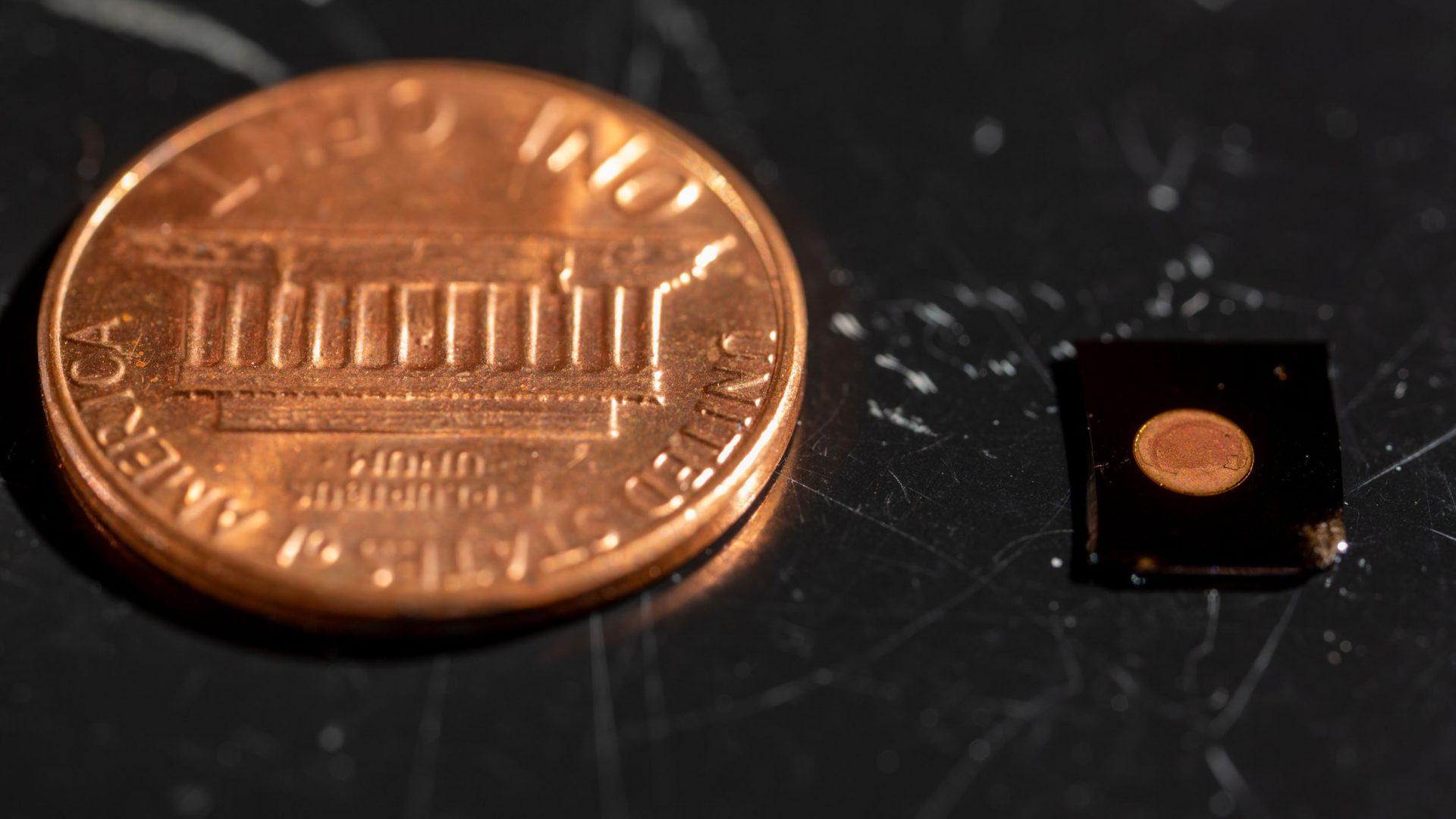
Researchers at MIT are developing a breath-based diagnostic tool called PlasmoSniff that could detect pneumonia and other lung conditions in a matter of minutes. The device is a portable, chip-scale sensor. A patient breathes in engineered nanoparticles that bind to disease biomarkers and release a detectable signal only when specific infection-related enzymes are present. The project comes out of Professor Sangeeta Bhatia's lab, which has spent years building nanoparticle-based diagnostic systems.
What happened
A team at MIT is working on a breath test called PlasmoSniff, designed to diagnose pneumonia and other lung conditions quickly without invasive procedures. The device is a portable, chip-scale sensor, meaning it is compact enough to sit on a small chip rather than requiring bulky lab equipment.
The process works in two steps. First, a patient breathes in nanoparticles that are engineered to attach to synthetic compounds called biomarkers, which the body produces as indicators of disease. Second, those nanoparticles only detach from the biomarkers when they come into contact with specific enzymes the body generates during an active infection.
If the person is healthy, the nanoparticles simply circulate through the body and leave without triggering any signal. In someone with an infection like pneumonia, the enzyme interaction causes the particles to release a detectable marker, which the sensor then picks up.
According to MIT Technology Review, the research comes from Professor Sangeeta Bhatia and her lab, which has been developing nanoparticle-based sensor technology for years. Bhatia holds degrees from MIT (SM ’93, PhD ’97).
Why it matters
Diagnosing pneumonia today typically involves chest X-rays, blood work, or sputum cultures. Those methods take time, require clinical infrastructure, and can delay treatment, especially in under-resourced settings.
A portable breath test changes that picture significantly. Consider what a chip-scale, breath-based diagnostic could mean in practice:
- Faster diagnosis in clinics, urgent care centers, or even at home
- Earlier treatment decisions, particularly important for pneumonia where speed matters
- Lower infrastructure requirements compared to imaging or lab-based tests
- Potential to adapt the same platform for other lung conditions beyond pneumonia
The nanoparticle approach is also notable because it is designed around the biology of infection itself, specifically the enzymes the body produces, rather than trying to detect the pathogen directly. That could make it more flexible across different types of infections.
Our take
This is genuinely interesting science, but the word “someday” in the original reporting is doing a lot of work. PlasmoSniff is still in development. There is no indication of clinical trial status, regulatory timelines, or commercial availability. The source excerpt cuts off before explaining what exactly happens when the sensor detects the biomarker signal, which is a meaningful gap.
What is clear is that Bhatia’s lab has a serious track record with nanoparticle diagnostics, so this is not a one-paper wonder. The chip-scale form factor is also a practical detail worth noting. A sensor that fits on a chip is a very different product from a benchtop machine, and that distinction matters for where and how it eventually gets used.
For healthcare operators, clinic owners, or anyone building digital health tools, this is worth watching rather than acting on. The underlying technology is credible. The timeline is not yet defined.
What to do about it
If you work in digital health, telehealth product development, or health-adjacent services, add PlasmoSniff and Sangeeta Bhatia’s lab at MIT to your research watchlist. When clinical trial data or a commercialization partner surfaces, that is the signal to pay closer attention. For now, treat this as a technology to track, not one to build around.