Meta Is Testing Robots in Its Data Centers to Cut Human Labor
Meta is quietly testing robots from Watney Robotics, Kinova, and ABB to plug cables, reset servers, and cut power in its data centers. One worker says a bot could replace 80% of some roles.
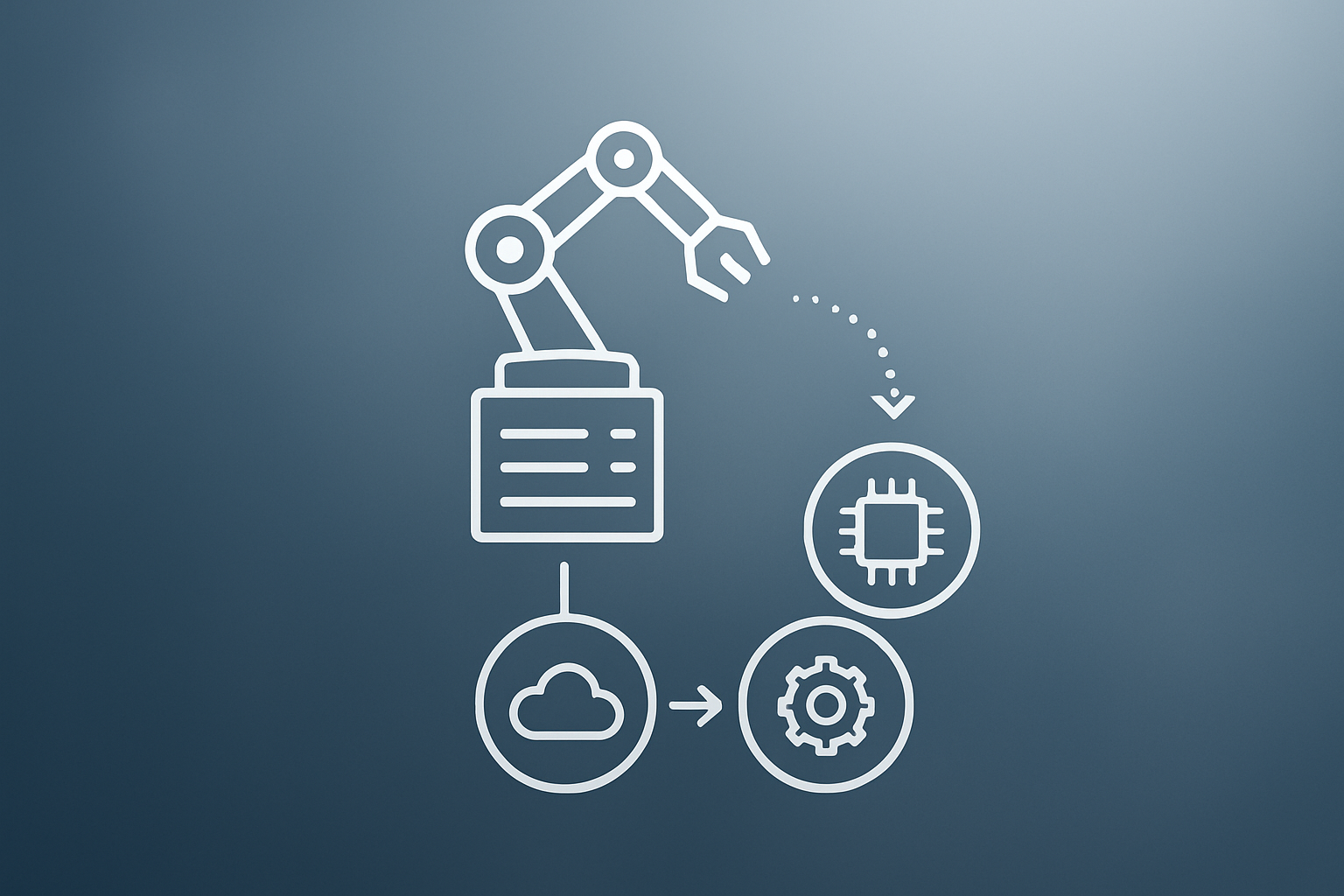
Meta is quietly testing robots inside its data centers to handle physical tasks like plugging in cables, swapping networking hardware, and power cycling servers, according to multiple current and former Meta workers speaking anonymously to Ars Technica. The company is sourcing hardware from at least three vendors: Watney Robotics, Kinova, and ABB. One worker estimates that a successful cable-swap robot could replace up to 80 percent of some employees' daily workload, and the project has not been previously reported.
What happened
| Detail | Fact |
|---|---|
| Companies supplying robots | Watney Robotics, Kinova, ABB |
| Robot model under evaluation | Kinova Gen3 robotic arm |
| Tasks being tested | Power cycling servers, swapping networking cables |
| Estimated workload displacement | Up to 80% of some workers’ tasks |
| Vendor comments | Kinova and ABB declined to comment; Watney did not respond |
Meta has been running internal tests of robots that perform physical maintenance tasks inside its data centers, according to several current and former employees who spoke to Ars Technica on condition of anonymity. The program has not been publicly announced.
One specific experiment involves a Kinova Gen3 robotic arm, which Meta is evaluating for power cycling duties. Power cycling means cutting electricity to a server and restoring it, a routine troubleshooting task that data center technicians perform regularly. A separate robot is being tested for swapping networking cables, another repetitive but labour-intensive job.
The stated driver, according to sources, is cost control. As Meta’s spending on AI infrastructure climbs, the company wants to operate a larger number of data centers without proportionally growing its human headcount.
Why it matters
Data center technicians have traditionally been considered relatively sheltered from automation. The work is hands-on, physically variable, and requires judgment in tight or unusual spaces. What Meta is testing challenges that assumption directly.
One worker’s reaction sums it up plainly: “We thought those of us performing the physical tasks were safe for a while, but not anymore. It’s coming for us all, unfortunately.”
If the cable-swap robot reaches the 80 percent displacement threshold the worker cited, the financial case for scaling the program across Meta’s expanding data center footprint becomes hard to ignore. Meta runs a large and growing number of facilities globally, so even modest per-site labour savings compound quickly.
This also signals a shift in where AI infrastructure investment flows. The story is no longer only about chips and software. Robotics is now part of the picture, and vendors like Kinova and ABB (an established industrial robotics company with long manufacturing roots) are being pulled into the hyperscaler supply chain alongside GPU makers. Our earlier coverage of how tariffs are affecting humanoid robot manufacturing shows that this supply chain is already under geopolitical pressure.
Our take
Meta is being careful not to announce this publicly, and the anonymity of the sources tells you something: internal sentiment is cautious. A robot that can do 80 percent of a cable technician’s job is genuinely significant, but “up to 80 percent” in a controlled test is a long way from deployed at scale across hundreds of facilities.
The honest read is that Meta is exploring, not transforming overnight. Power cycling a server in a lab setting is easier than doing it reliably in a live data center with heat, cable clutter, and unexpected physical variation. The fact that all three vendors either declined comment or went quiet suggests none of this is near a product launch.
For businesses thinking about AI integration in their own operations, the bigger signal here is directional: physical automation is catching up to software automation faster than most expected. If you have repetitive physical workflows in your operation, the question of “when” is becoming more relevant than “if.”
Keep watching what Meta and other hyperscalers do with robotics vendors over the next 12 to 24 months. The next announcement may not come from a robotics company at all, but from a data center operator quietly updating its headcount projections.
What to do about it
- Audit which physical or manual tasks in your own operation are repetitive and measurable. These are the first candidates for automation, robotic or otherwise.
- Watch the three vendors named here (Watney Robotics, Kinova, ABB) for product announcements aimed at smaller facilities, not just hyperscalers.
- If you manage a team, be honest with them about where automation testing is happening in your industry. Silence is more damaging than a frank conversation.
- Talk to an automation specialist about where workflow automation can address the digital side of repetitive work before the physical layer catches up.
The physical world is the next automation frontier, and Meta’s quiet robotics program is one of the clearest early signals.
Frequently asked questions
What tasks is Meta testing robots for in its data centers?
Meta is testing robots for power cycling servers (cutting and restoring electricity) and swapping networking cables. A Kinova Gen3 robotic arm is being evaluated for the power cycling task.
Which robot companies is Meta working with for its data center automation?
Meta is using hardware from Watney Robotics, Kinova, and ABB, according to current and former workers familiar with the projects. All three vendors either declined to comment or did not respond to media requests.
How many jobs could Meta's data center robots replace?
One current Meta data center worker estimated that a successful cable-swapping robot could replace up to 80 percent of some workers' daily workloads, though this is based on ongoing tests, not a deployed system.
Why is Meta automating its data centers with robots?
According to sources, the goal is to keep labour costs in check as Meta's spending on AI infrastructure rises. Robots could allow the company to expand its data center footprint without proportionally increasing headcount.