X Dismantles 200,000-Account Chinese Bot Farm Targeting AI Data Center Debate
X suspended roughly 200,000 suspected Chinese inauthentic accounts, including 200 pushing anti-AI data center messaging by amplifying real US electricity cost concerns.
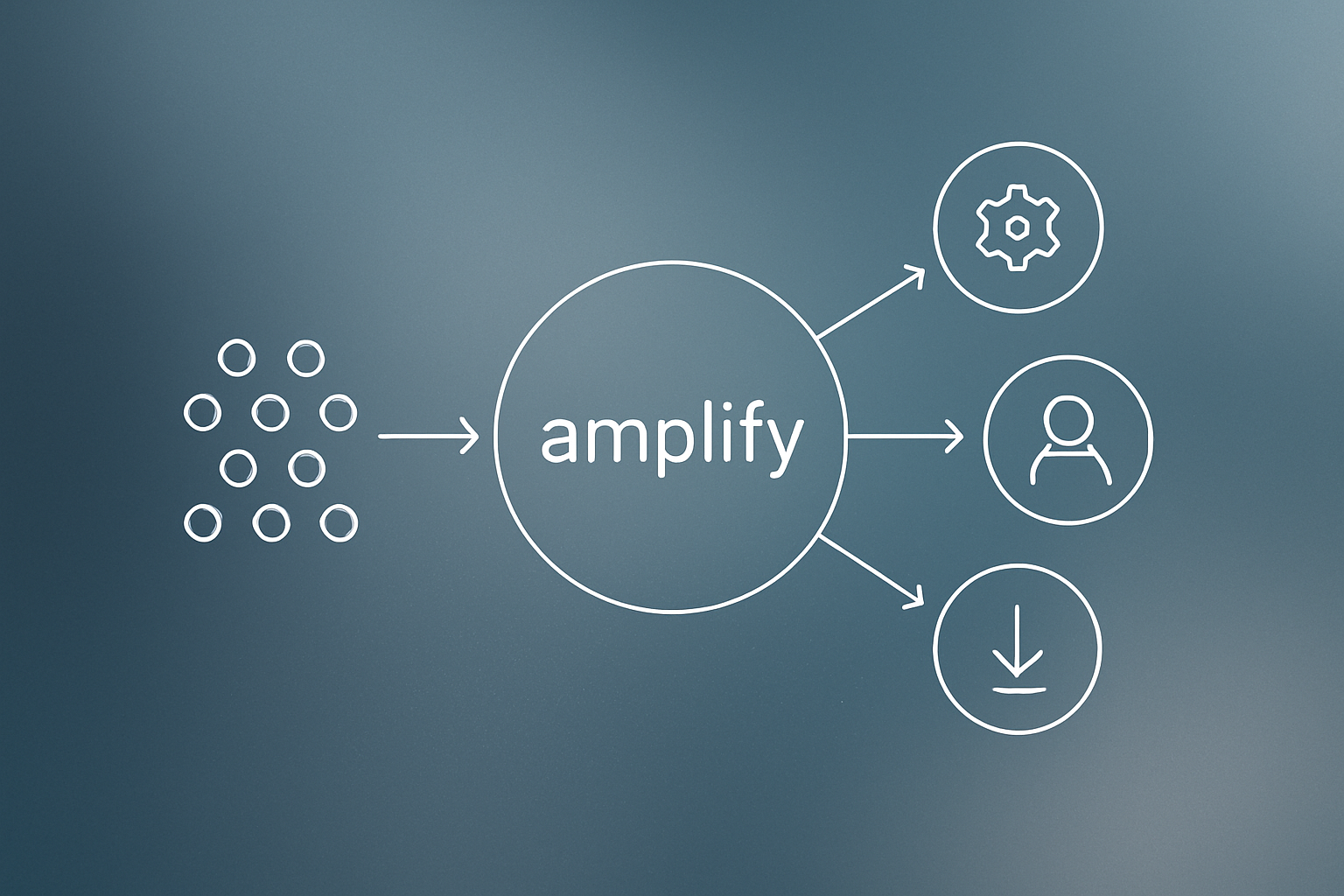
On August 28, X's Global Government Affairs account announced its Safety team had identified and suspended a network of roughly 200,000 suspected Chinese inauthentic accounts. About 200 of those accounts were specifically engaged in shaping the American debate around AI data centers and energy pricing, posing as ordinary US residents and amplifying real electricity cost data with AI-generated cartoons. Separately, OpenAI had already documented a likely PRC-origin operation in a June 10 report, internally calling it "Data Center Bandwagon." Neither company has tied either network to a specific Chinese state agency.
What happened
| Detail | Fact |
|---|---|
| Accounts suspended by X | ~200,000 suspected Chinese inauthentic accounts |
| Accounts targeting AI/energy debate | ~200 (0.1% of the network) |
| X disclosure date | August 28 (X Global Government Affairs account) |
| OpenAI report date | June 10 |
| OpenAI’s internal name for the operation | “Data Center Bandwagon” |
| PJM capacity auction cost jump (2024) | From ~$2 billion to nearly $15 billion; next auction reached just over $16 billion |
| PJM service area | 13 US states plus Washington, D.C. |
X’s Safety team said the suspended accounts posed as ordinary Americans, using names like Thomas Jackson, Patricia Robinson, Sandra Thompson, and Kenneth Flores. Their posts argued that AI data centers are driving up household electricity bills and straining local power grids. Some content referenced legitimate reporting, including a Southern Maryland Chronicle piece on PJM Interconnection’s rising capacity costs. Others went further, using AI-generated cartoons showing data center developers as villains profiting while families faced steeper power bills.
This was not a cyberattack. No grid was hacked, no utility was breached. It was a coordinated influence operation designed to make an existing domestic complaint feel louder and more politically charged than it might otherwise be.
The grievance was already real
That is what makes this campaign worth paying attention to. PJM’s own June 2026 market update states that data centers are the primary driver of new demand growth, because facilities can be built two to three times faster than the power generation needed to serve them. The Southern Maryland Chronicle reported in March that PJM’s 2024 capacity auction sent costs from roughly $2 billion to nearly $15 billion for the following year. The next auction hit just over $16 billion, capped at the request of Pennsylvania Governor Josh Shapiro and backed by Maryland Governor Wes Moore.
The Chinese-linked accounts did not invent those numbers. They found them and used them. A well-constructed influence campaign does not need to fabricate a grievance. It only needs to find one that already has traction and amplify it.
What OpenAI found separately
OpenAI’s June 10 report described banning a cluster of ChatGPT accounts it assessed as likely PRC-origin. According to OpenAI, the operators prompted the model in Simplified Chinese, used VPNs to access the service, and were likely part of a private Chinese technology company’s social media team doing work for provincial-level government clients. The operation produced English- and Chinese-language posts, comments, and cartoons criticizing US data centers and AI infrastructure.
OpenAI’s own assessment cut against panic: the company said it found no evidence of meaningful reach beyond the operation’s own activity. A large account farm can still be mostly noise if real users do not pick up the message and spread it independently.
Why does this matter for AI infrastructure?
The actual target is permits. Every new AI data center needs land, transformers, transmission lines, substations, and local government approval. If public pressure over electricity prices delays permit hearings, spooks zoning boards, or turns state politicians against new builds, it slows America’s AI buildout without anyone touching a server. That is a cheap lever to pull.
As we have covered in our analysis of AI infrastructure security, the attack surface for AI systems extends well beyond software vulnerabilities. Influence over the physical permitting process is a low-cost, high-impact pressure point that does not require any technical capability at all.
Our take
The 200-account-within-200,000 ratio is important context. X has not disclosed how much genuine engagement those posts received, how it confirmed the China connection, or whether any US cybersecurity agency has independently verified attribution. No US agency had publicly weighed in on this specific network as of the disclosure date. Take the framing seriously but hold the certainty loosely.
The more uncomfortable point is that the underlying issue is real and does not go away when the bot accounts do. Data centers consume large amounts of electricity. Ratepayers and local officials are legitimately asking who pays for new grid capacity. A foreign influence campaign can exploit that argument; it cannot explain it away. Businesses planning AI infrastructure investment, or advising clients who are, should expect this pressure point to be used again. If you are working with clients on AI integration that involves infrastructure decisions, the local political environment around energy and permitting is now part of the risk picture in a way it was not three years ago.
X’s disclosure is useful not because 200 bot accounts reshaped American opinion, but because it reveals where the next pressure campaign is likely to aim: the physical layer of AI, one permit hearing at a time.
What to do about it
- Monitor local energy and permitting narratives around any AI infrastructure project, not just cybersecurity feeds.
- Verify the primary sources behind viral electricity-cost claims before sharing or reacting to them in public forums.
- Cross-check social accounts amplifying data center opposition against authenticity signals: account age, posting frequency, and profile name patterns.
- Follow updates from US cybersecurity agencies (CISA, NSA) for independent attribution before treating platform disclosures as confirmed state-actor activity.
Frequently asked questions
What did X find in the Chinese bot farm it suspended?
X's Safety team identified and suspended roughly 200,000 suspected Chinese inauthentic accounts on August 28. About 200 of those accounts were specifically posting content designed to influence the US debate over AI data centers and energy policy, posing as ordinary Americans and using AI-generated images alongside real electricity cost data.
What is the Data Center Bandwagon operation?
Data Center Bandwagon is the name OpenAI used internally for a likely PRC-origin operation it documented in a June 10 report. The operators used ChatGPT, prompted in Simplified Chinese via VPNs, to generate anti-data-center content in English and Chinese. OpenAI said the group was likely a private Chinese tech company doing work for provincial-level government clients.
Are AI data centers actually raising electricity bills?
There is a legitimate underlying concern. PJM Interconnection, which serves 13 US states and Washington D.C., reported in June 2026 that data centers are the primary driver of new demand growth. PJM's 2024 capacity auction saw costs rise from roughly $2 billion to nearly $15 billion in one year, according to the Southern Maryland Chronicle.
Did the Chinese bot accounts actually change public opinion on AI data centers?
OpenAI said it found no evidence of meaningful reach beyond the operation's own activity. X has not disclosed how much genuine engagement the 200 energy-focused accounts received. Scale of an account farm does not prove impact if real users do not independently amplify the messaging.