Sunrun Wants to Put AI Compute Nodes in Your Home and Pay You for It
Sunrun is launching a pilot program to place AI compute nodes in homes with solar and battery storage, then sell that compute power to enterprise AI buyers.
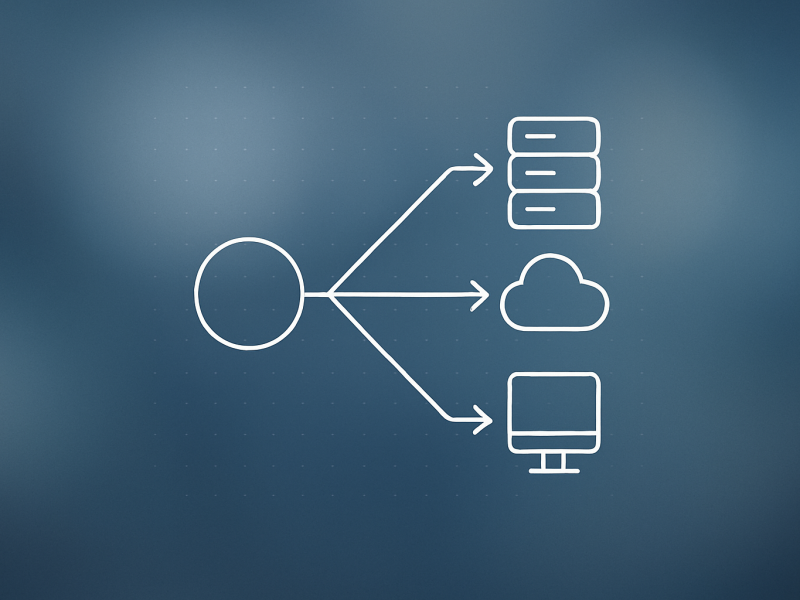
Sunrun, a solar and home energy storage company, is launching a pilot program that places AI compute nodes inside customers' homes. Homes must already have Sunrun solar panels and battery storage installed. Participating customers receive compensation for hosting the hardware. Sunrun then packages the combined compute capacity from many homes and sells it to enterprise buyers such as AI companies. It is an unconventional approach to a very real problem: the AI industry is running short on both physical space and power for data centers.
What happened
| Detail | Fact |
|---|---|
| Company | Sunrun |
| Program name | Distributed AI compute pilot |
| Hardware placed | Compute nodes in customer homes |
| Home requirement | Existing Sunrun solar and battery storage system |
| Customer benefit | Compensation for participating |
| Buyers of compute | Enterprise compute buyers, including AI companies |
Sunrun is best known for residential solar and home battery storage. The company is now expanding into AI infrastructure, but not by constructing a traditional data center. Instead, it is distributing the compute across many individual homes, treating each one as a small node in a larger network.
Under the pilot, Sunrun installs compute hardware inside homes that already run on its solar and battery systems. Those homes generate and store their own electricity, which is what makes the setup practical: the compute nodes draw power locally rather than pulling from the grid in the same way a conventional data center would. Sunrun then aggregates the compute output and sells it to enterprise customers that need AI processing capacity.
Why does this matter for AI infrastructure?
Building a data center takes years and enormous capital. Land, grid connections, cooling systems, and permits are all bottlenecks. The demand for AI compute, particularly for training and running large models, is outpacing the rate at which conventional data centers can come online.
Sunrun’s approach sidesteps some of those constraints. Homes are already connected to power, they are geographically distributed (which can reduce latency for certain workloads), and the solar-plus-battery setup means the compute draws on locally generated renewable energy. For enterprise buyers, purchasing distributed compute from Sunrun could be faster than waiting for new data center capacity to appear.
This also fits a broader pattern in the industry. As covered in our look at why big companies are moving from renting to owning their AI models, businesses are becoming more deliberate about where and how they source AI compute. Distributed residential infrastructure is one more option entering that market.
What are the open questions?
The source article is a pilot announcement, so several practical details are not yet public. We do not know how many homes are in the initial cohort, how much compensation participating customers receive, what types of compute workloads the nodes handle, or what security and data-handling standards apply to hardware sitting inside a private home.
That last point deserves attention. Enterprise AI workloads often involve sensitive data. Placing processing nodes in residential settings introduces questions about physical security, network isolation, and liability that a traditional data center does not face in the same way. Sunrun has not addressed those specifics publicly yet.
Our take
The concept is genuinely interesting, and the infrastructure problem it targets is real. Solar-equipped homes sitting on stored energy during off-peak hours represent idle capacity, and it makes logical sense to monetize it. If Sunrun can aggregate enough nodes reliably, enterprise buyers get a faster path to compute capacity, and homeowners get a modest income stream from hardware they did not pay for.
That said, the gap between “pilot announcement” and “working enterprise product” is wide. The workloads best suited to distributed residential compute are probably narrow: inference tasks with low data-sensitivity and tolerance for variable connectivity. Anything requiring strict data governance or consistent low-latency would be a harder sell in a residential setting.
For businesses evaluating AI integration options, this is worth watching as a signal of where the compute market is heading, not as something to act on today. The pilot will reveal whether the reliability and compliance story holds up at scale. If it does, distributed residential compute could become a meaningful third tier alongside cloud and on-premise infrastructure.
What to do about it
- If you are a Sunrun solar customer, monitor the company’s communications for pilot enrollment details and compare the compensation offer against any energy or hardware implications before signing up.
- If you are an AI buyer evaluating compute sources, ask Sunrun directly about workload types, uptime guarantees, and data security standards before including distributed residential compute in your planning.
- If you are building an AI product, keep an eye on the Lumien AI news feed as this pilot matures: pricing and availability data from Sunrun will matter for cost modeling against cloud alternatives.
Watch the pilot results closely: the reliability and compliance data Sunrun publishes will tell you far more than the launch announcement.
Frequently asked questions
What is Sunrun's distributed AI compute program?
It is a pilot program where Sunrun places AI compute nodes inside homes that already have Sunrun solar panels and battery storage. Homeowners are compensated for hosting the hardware, and Sunrun sells the aggregated compute capacity to enterprise buyers such as AI companies.
Do you need solar panels to join Sunrun's AI compute pilot?
Yes. According to Sunrun, participating homes must already be equipped with Sunrun solar and battery storage systems.
How much does Sunrun pay homeowners to host compute nodes?
Sunrun has confirmed that participants will be compensated, but the specific payment amounts have not been disclosed publicly as of the pilot announcement.
Why are AI companies looking at residential homes for compute power?
Demand for AI processing capacity is outpacing the construction of traditional data centers. Distributed residential compute, especially in solar-powered homes, offers an alternative source of power and physical space that can potentially come online faster than a new data center.