SpaceX Spent $329M on Tesla Megapacks in 2026 to Power xAI Data Centers
SpaceX bought $329M of Tesla Megapacks in 2026, including $295M in Q2 alone, likely for xAI data centers. Here's what the numbers reveal about Elon Musk's interconnected companies.
SpaceX spent $295 million on Tesla Megapack battery storage systems in the second quarter of 2026 alone, bringing its total purchases to $329 million for the year, according to an earnings report released Tuesday, August 4. The spending follows SpaceX's acquisition of xAI earlier in 2026 and likely reflects the energy demands of xAI's expanding data center operations. The figures highlight how closely Elon Musk's companies trade with one another.
What happened
| Data point | Detail |
|---|---|
| SpaceX Megapack spend, Q2 2026 | $295 million |
| SpaceX Megapack spend, year to date 2026 | $329 million |
| SpaceX Megapack spend, Q1 2026 (then under xAI) | $34 million |
| xAI Megapack spend before merger with SpaceX | $430 million |
| Tesla Cybertrucks acquired by SpaceX (as of Dec 2025) | $131 million at MSRP |
SpaceX disclosed the numbers in a regulatory filing tied to its Tuesday earnings report. The company is led by Elon Musk, who also runs Tesla and previously ran xAI before SpaceX absorbed it in early 2026. Tesla Megapacks are industrial-scale battery storage units used by utilities, factories, and data centers. xAI’s X social media platform was folded into xAI back in 2025, and xAI itself then merged into SpaceX, making Musk’s web of companies increasingly hard to separate on a balance sheet.
Why are AI data centers buying so many batteries?
GPU clusters do not draw electricity at a steady rate. Power demand spikes hard during model training runs and inference bursts, then drops off. Those peaks can trigger demand charges from a local utility, which are calculated on the highest draw recorded in a billing period, or they can overwhelm on-site generators.
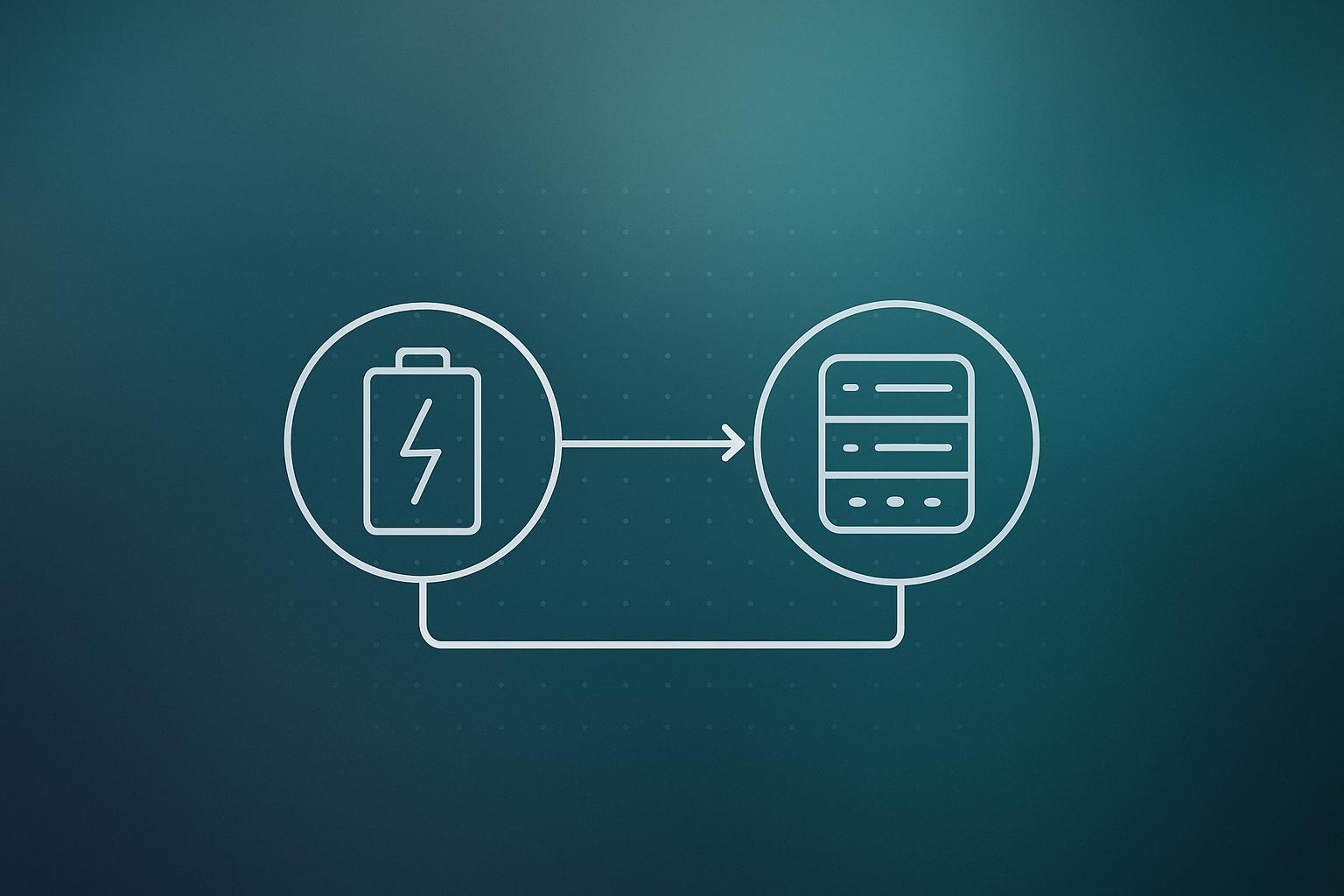
Large battery systems like the Megapack sit between the grid and the compute hardware. They charge during low-demand periods and discharge instantly when GPUs spike, smoothing the load curve. According to TechCrunch, batteries can begin supplying power in a second or less, fast enough to catch a sudden GPU surge before the grid even notices.
xAI’s data centers have also leaned on natural gas turbines, including dozens of reportedly unpermitted units at a Mississippi site near its Colossus project. The Megapack purchases suggest the company is layering battery storage on top of that generation capacity, rather than replacing it.
What this reveals about Musk’s corporate structure
The transaction flow is straightforward on paper: SpaceX buys Tesla hardware at commercial prices. In practice, Musk controls both companies, which makes the related-party spending worth tracking. Before the xAI merger, xAI had already put $430 million into Megapacks. That spending is now consolidated under SpaceX’s books, explaining the sharp jump from $34 million in Q1 to $295 million in Q2.
The $131 million in Cybertrucks adds another data point. SpaceX is buying vehicles from Tesla at the manufacturer’s suggested retail price, according to its regulatory filing. These are real commercial transactions, but they concentrate revenue inside Musk’s portfolio regardless of which entity sits at the top.
For anyone watching the AI infrastructure build-out, this is a useful signal: even a well-funded AI lab spends hundreds of millions on power management hardware before it spends on the GPUs that attract the headlines.
Our take
The scale here is striking. $329 million on batteries in seven months is not a rounding error; it is a core infrastructure cost. If you are running AI workloads at any scale, the power story matters to you too, just at a smaller magnitude. For businesses evaluating AI integration, the infrastructure cost curve at the frontier lab level is a useful reminder that AI compute is not free or clean.
The related-party angle is worth a raised eyebrow but probably not alarm. The prices appear to be at market rates, and regulators have visibility through the filings. The more interesting question is whether xAI’s data center capacity, now inside SpaceX, will eventually be offered as a commercial cloud service, which would put it in direct competition with AWS, Azure, and Google Cloud.
What to do about it
- Track xAI’s data center announcements if you use or plan to use Grok or any xAI API product. Capacity under SpaceX ownership may expand faster now.
- Review your own AI workload costs. Power demand charges are a real line item for on-premise GPU setups; a UPS or battery buffer at a smaller scale addresses the same problem Megapacks solve.
- Watch the regulatory filings. SpaceX’s disclosures are a rare window into xAI’s spending that the private AI lab would not otherwise publish.
The bottom line: AI infrastructure spending is enormous and getting more concentrated inside a handful of private entities. Keep an eye on the filings, not just the model releases.
Frequently asked questions
Why is SpaceX buying Tesla Megapacks?
According to SpaceX's earnings report, the batteries are likely being deployed at xAI data centers, which SpaceX acquired in early 2026. Megapacks help smooth power demand spikes from GPU workloads, reducing utility costs and preventing generator overloads.
How much has SpaceX spent on Tesla Megapacks in 2026?
SpaceX spent $329 million on Tesla Megapacks in the first half of 2026, including $295 million in Q2 alone, according to its August 4 earnings report.
Did xAI buy Megapacks before merging with SpaceX?
Yes. Before SpaceX absorbed xAI in 2026, xAI had already purchased $430 million worth of Megapacks for its data centers.
What are Tesla Megapacks used for in AI data centers?
Megapacks store energy and release it almost instantly when GPU clusters spike in power demand. This prevents costly utility demand charges and keeps data center operations consistent during variable AI training and inference workloads.