Indiana Mayor’s “Shitty Houses” Comment Inflames $2B Data Center Fight
Shelbyville, Indiana mayor Scott Furgeson was caught on camera dismissing data center opponents as people who live in 'shitty houses,' deepening a $2B siting fight.
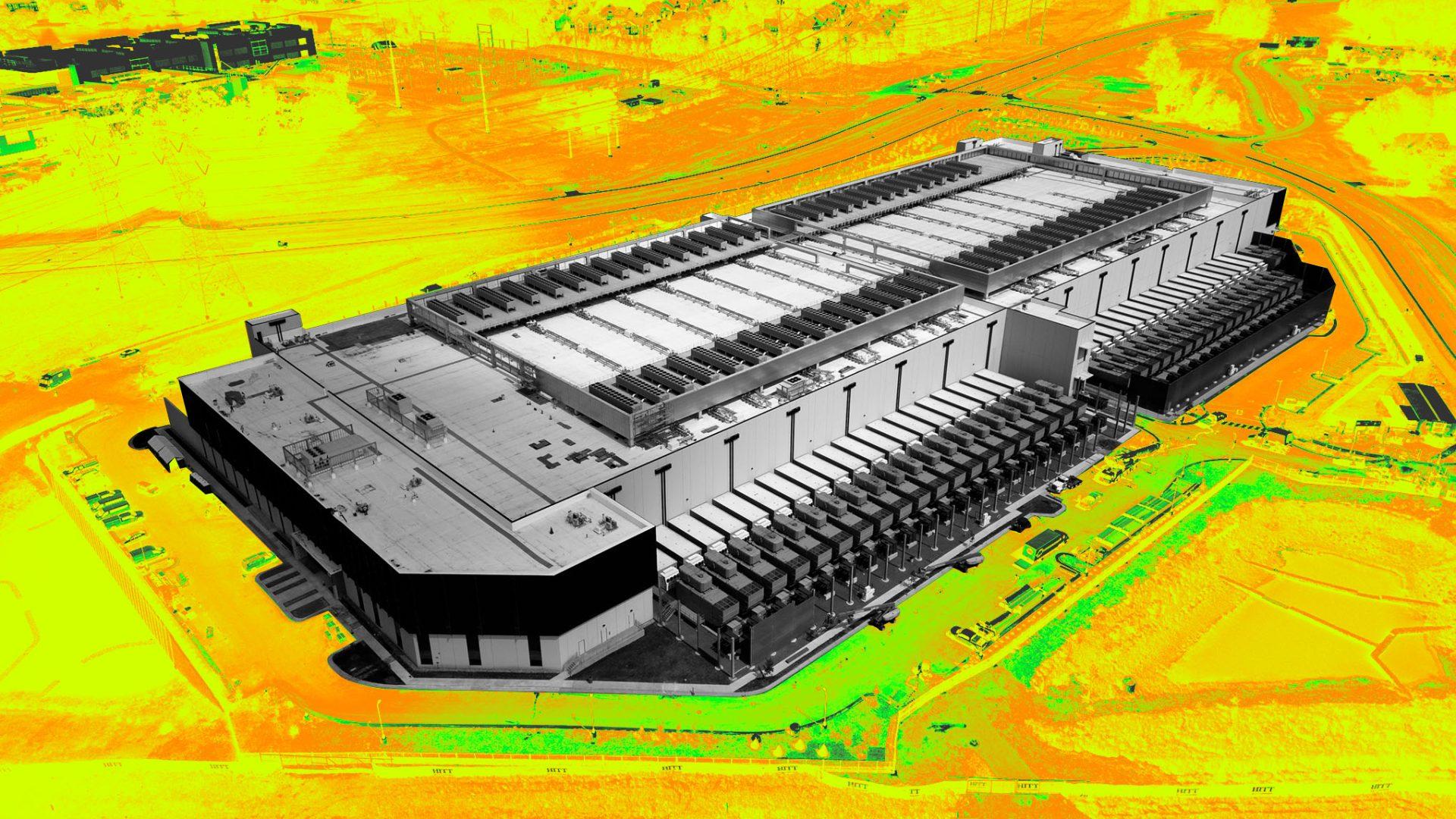
A $2 billion data center proposal in Shelbyville, Indiana has turned into a full-blown political dispute after Mayor Scott Furgeson was filmed dismissing opponents of the project. In the video, Furgeson observes that "No Data Center" yard signs appear only at "shitty houses," then adds that most of those properties are rentals. Residents in the clip immediately challenged him, noting that renters are still human beings and constituents. The incident has sharpened local resistance and drawn wider attention to how AI infrastructure battles play out in smaller communities.
What happened
Shelbyville, Indiana — population roughly 20,000 — is the proposed site of a $2 billion data center. Opposition has been building for some time, with residents planting “No Data Center” signs across the city. That visible dissent apparently irritated Mayor Scott Furgeson, who was caught on camera making his feelings plain.
In the recorded clip, Furgeson says he has noticed the signs “all over town,” but claims he has only spotted them outside what he calls “shitty houses.” He then doubles down, suggesting that most of those properties are rentals — an apparent implication that renters’ opinions carry less weight.
The woman he was speaking with pushed back immediately, describing the residents involved as “working class.” Another person in the conversation felt compelled to state something that should be self-evident to any elected official: whether a home is rented or owned, the people inside it are still constituents. According to The Verge, which first reported the clip, the controversy has only intensified since the footage surfaced.
Why it matters
Data centers are being proposed at speed across the American Midwest, chasing cheap land, available power, and local tax incentives. Shelbyville is one of dozens of smaller cities now caught between the economic promises made by developers and the very real concerns of existing residents — noise, water use, strain on local power grids, and changes to the character of a community.
What makes this case notable isn’t just the inflammatory language. It’s the underlying logic: that property type or income level should determine whose objections are taken seriously. That framing — intentional or not — signals to a large chunk of any city’s population that civic participation has a means test attached.
Renters make up a significant portion of most small American cities. Writing them off as a constituency doesn’t just cause political damage; it distorts the decision-making process around projects with decades-long consequences for land use, utilities, and local infrastructure.
The data center industry is also watching how these fights resolve. Approvals in communities with suppressed opposition can come back to haunt developers through legal challenges, ballot measures, or sustained public pressure that complicates operations long after groundbreaking.
Our take
The mayor’s comment is a clean example of a dynamic we see repeatedly in AI infrastructure rollouts: the economic benefits get framed as universal, while the costs — noise, power draw, water consumption, traffic — land hardest on people with the least political leverage.
A $2 billion project sounds transformative. In practice, data centers are notoriously low employers relative to their footprint. A facility of this scale might create a few dozen permanent local jobs while consuming power equivalent to a small town and requiring years of construction disruption. The math isn’t always what the press release implies.
None of that means the project is necessarily bad for Shelbyville. It might bring real tax revenue and infrastructure investment. But you don’t get a honest community conversation when the official leading it is on camera sorting constituents by the condition of their siding.
The residents who pushed back in that clip — calmly, on camera, without losing the thread — handled it better than their mayor did. That’s worth noting.
What to do about it
If you’re working on a project that touches community siting decisions — data centers, energy infrastructure, large commercial builds — treat opposition as information, not interference. Specifically:
- Map who bears the costs versus who captures the benefits. They are rarely the same people.
- Engage renters and working-class residents through channels they actually use — community meetings held during business hours exclude the people most likely to work shift jobs.
- Publish the actual job numbers, water usage projections, and power demand figures before approval votes, not after.
Elected officials and developers who skip these steps don’t avoid conflict — they defer it and make it worse.