Qualcomm Snapdragon Reality Elite Targets Smarter, More Powerful Smart Glasses
Qualcomm announced the Snapdragon Reality Elite chip at Augmented World Expo. It powers the upcoming Xreal Aura glasses for Android XR, with a 60% GPU boost.
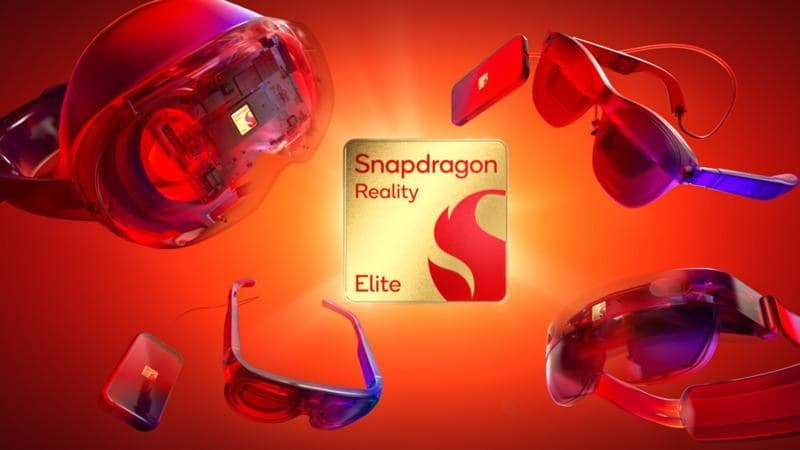
Qualcomm announced the Snapdragon Reality Elite at Augmented World Expo, a new chip designed to push XR smart glasses further in performance. The processor is not entirely new to the public: it was already running inside the Xreal Aura glasses for Android XR, which were shown at Google I/O last month. At the time, neither Xreal nor Google disclosed which chip was inside. Now we know. The GPU alone gets a 60 percent performance bump, signaling that the smart glasses category is about to get a meaningful hardware upgrade.
What happened
Qualcomm took the wraps off the Snapdragon Reality Elite at Augmented World Expo. The chip is purpose-built for XR devices, including smart glasses and other wearables in that category.
The announcement also cleared up a detail left hanging from Google I/O last month. Xreal and Google showed off the Aura glasses for Android XR at that event but stayed quiet about the processor inside. According to The Verge, those glasses are running the Snapdragon Reality Elite.
On the spec side, the headline number is a 60 percent GPU improvement. Qualcomm describes the chip as delivering across-the-board performance upgrades, though the full specification breakdown was not included in the available excerpt.
Why it matters
Smart glasses are still early. Most devices on the market today are limited by the compute available in a small, wearable form factor. More GPU headroom means better real-time image processing, more capable on-device AI features, and smoother AR overlays without draining a small battery in minutes.
The Xreal Aura connection is significant. Android XR is Google’s platform play for spatial computing, and Xreal is one of the first hardware partners building for it. If the Aura ships with the Reality Elite inside, it becomes one of the first consumer devices to show what this chip can actually do in the real world.
For businesses watching the smart glasses space, this is a signal that the hardware floor is rising. Devices with the Reality Elite will be able to handle more demanding workloads than the current generation, which matters if you are evaluating glasses for warehouse picking, field service, or hands-free workflows.
Our take
A 60 percent GPU jump is a real number, not a rounding error. That said, chip announcements at trade shows are one thing. Shipping products are another.
The smart glasses category has been “about to take off” for years. What’s different this time is that Google is directly backing Android XR with a hardware partner already named, and Qualcomm is showing the chip in a device that has actually been demoed publicly. That’s a more grounded starting point than most previous XR hardware cycles.
Still, we’d wait for independent benchmarks and real battery life figures before getting too excited. A faster GPU in a tiny frame creates real thermal and power constraints that a spec sheet won’t capture. The Aura glasses will be the first real test of whether the Reality Elite can deliver in a product people actually wear.
What to do about it
If you are evaluating smart glasses for a business use case, keep an eye on the Xreal Aura launch timeline. It will be the first widely available device to show what Snapdragon Reality Elite hardware can do outside a demo room. Before committing to any current-generation hardware for a deployment, check whether the vendor has a Reality Elite roadmap. Locking into older silicon now could mean a short shelf life for whatever you buy.