Publishers Sue Google Over Gemini Training Data: What It Means
Hachette, Cengage, Elsevier and author Scott Turow filed a class-action lawsuit against Google on July 15, 2026, alleging Gemini was trained on copyrighted books.
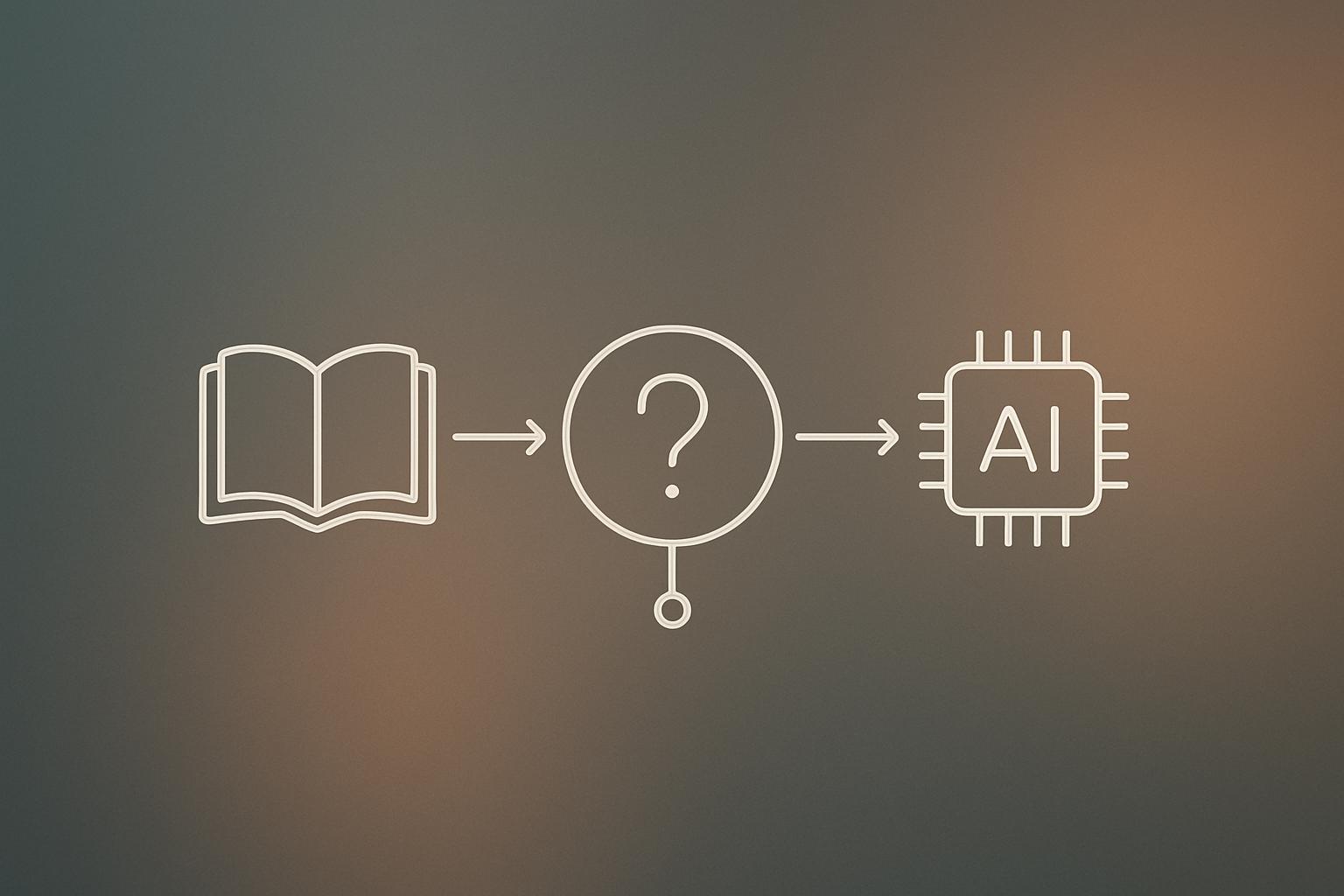
A group of major book publishers filed a federal lawsuit against Google in New York on July 15, 2026, accusing the company of secretly copying millions of copyrighted works to train its Gemini AI model. The plaintiffs include Hachette Book Group, Cengage Learning, Elsevier, and author Scott Turow. They claim Google took content submitted to Google Books under limited terms and used it without permission, producing AI-generated material that competes directly with the original authors.
What happened
| Detail | Fact |
|---|---|
| Filing date | July 15, 2026 |
| Filed in | New York federal court |
| Plaintiffs | Hachette Book Group, Cengage Learning, Elsevier, Scott Turow, S.C.R.I.B.E. |
| Defendant | Google (Gemini AI model) |
| Relief sought | Injunction and unspecified damages, class action status |
| Related Anthropic settlement | $1.5 billion, approved September 2025 |
The publishers allege that Google “secretly copied millions of works” that had been provided to Google Books and other services for narrow, specific purposes, then used that content to train Gemini without permission. The lawsuit claims the resulting AI output goes further than simple summarisation: it competes directly with the authors whose material fed the model.
The complaint singles out Gemini’s ability to imitate specific authors. According to the filing, “Gemini even tailors outputs to mimic the expressive elements and creative choices of specific authors.” The lawsuit also states that “the scale and speed at which Gemini can create books and compete with human writers is unprecedented.”
How does this fit into the broader AI copyright landscape?
This case is one of several running in parallel. The same group of publishers (Hachette, Cengage, Elsevier, and Turow) already sued Meta in a New York court in May 2026 on similar grounds.
Earlier cases against other AI companies have produced split decisions:
- A US judge approved a $1.5 billion settlement between Anthropic and several authors in September 2025, but also found that Anthropic’s core use of books to train Claude was “fair use” under US law. Only other uses of pirated materials fell outside that protection.
- Meta won a partial “fair use” ruling last year in a San Francisco federal court. That case was brought by comedian Sarah Silverman, author Ta-Nehisi Coates, and others.
The pattern so far: courts are willing to call training itself “transformative” (and therefore potentially fair use), but secondary conduct around pirated sources can still create liability. You can read more about how AI training and copyright interact in our recent coverage of Anthropic’s Claude model updates.
Why it matters
For publishers, the core fear is not just lost licensing revenue. It is that the same books used to teach Gemini how to write are now competing with those books in the market. A model that can produce a textbook-style explanation (Cengage), a legal thriller (Turow), or a scientific reference work (Elsevier) on demand is a direct commercial threat.
For businesses that rely on AI-generated content, this case introduces real uncertainty. If courts eventually restrict which training data AI companies can use, the capabilities and outputs of models like Gemini could change significantly. Pricing, licensing costs, and even the types of content AI tools can produce may shift.
If you are building business workflows around AI content generation, including tools for AI integration or automated writing, watching how these copyright cases resolve is not optional. It directly shapes what these tools can legally do.
Our take
The “fair use” argument has held up partially so far, but these are early days. The Anthropic ruling drew a line between training (fair use) and using pirated material (not fair use). Google Books complicates things because publishers gave Google access under specific terms, and the allegation is that Google stepped outside those terms. That is a different and potentially stronger argument than a straight-up scraping case.
The style-mimicry claim is also worth watching. Courts ruling that reproducing an author’s “expressive elements” on demand is fair use would be a significant stretch of existing doctrine. That claim alone could push this case to a different outcome than Anthropic’s or Meta’s.
For now, if your business depends on AI-written content at scale, treat the current legal environment as unstable. Diversify your content approach and keep human authorship central to anything that represents your brand. Our SEO team has seen firsthand that search engines continue to reward authentic, well-attributed content regardless of how the legal dust settles.
Frequently asked questions
Why are publishers suing Google over AI?
Hachette, Cengage, Elsevier, and author Scott Turow filed suit in July 2026 alleging Google copied millions of copyrighted books provided to Google Books and used them to train Gemini without permission, then produced AI content that competes with the original authors.
What is the outcome of similar AI copyright lawsuits?
Results have been mixed. Anthropic reached a $1.5 billion settlement in September 2025, but a judge also ruled its core training use was 'fair use'. Meta similarly won a partial 'fair use' ruling in a case brought by Sarah Silverman and Ta-Nehisi Coates.
Is training AI on books considered fair use?
US courts have so far leaned toward calling AI training 'transformative' and therefore fair use, but have drawn lines around the use of pirated materials and other conduct outside the training itself. The law is still unsettled.
How much are the publishers seeking in damages?
The lawsuit requests an injunction and an unspecified amount of damages, along with class action status.