PRX Part 4: How Photoroom Built a Data Strategy for AI Image Editing
Photoroom shares how they built a data strategy for PRX, their AI image editing model. Key lessons on synthetic data, curation, and training pipelines.
Photoroom published the fourth installment of their PRX technical series on the Hugging Face blog, this time focusing on the data strategy that underpins their AI-powered image editing model. The post details how the team approached the challenge of assembling training data, covering the mix of real and synthetic examples they used, how they handled curation, and what quality control looked like in practice. It is one of the more candid public write-ups from a product company about what actually goes into building a production image model.
What happened
Photoroom released Part 4 of their PRX series on the Hugging Face blog. The series documents the technical decisions behind PRX, their image editing model, and this installment focuses specifically on data: where it came from, how it was filtered, and how synthetic data played a role alongside real-world examples.
The post is part of a broader trend of product companies publishing detailed technical write-ups rather than leaving that space entirely to research labs. Photoroom is a consumer and B2B photo editing app, so PRX is a production model with real commercial stakes, not a research prototype.
Why it matters
Data strategy is often the least-discussed part of AI model development. Most public writing focuses on architecture choices or fine-tuning techniques. Posts that go deep on data collection, labeling pipelines, and quality filtering are genuinely rare, which makes this series worth reading if you are building or evaluating image AI tools.
A few things stand out as particularly relevant for businesses thinking about AI image workflows:
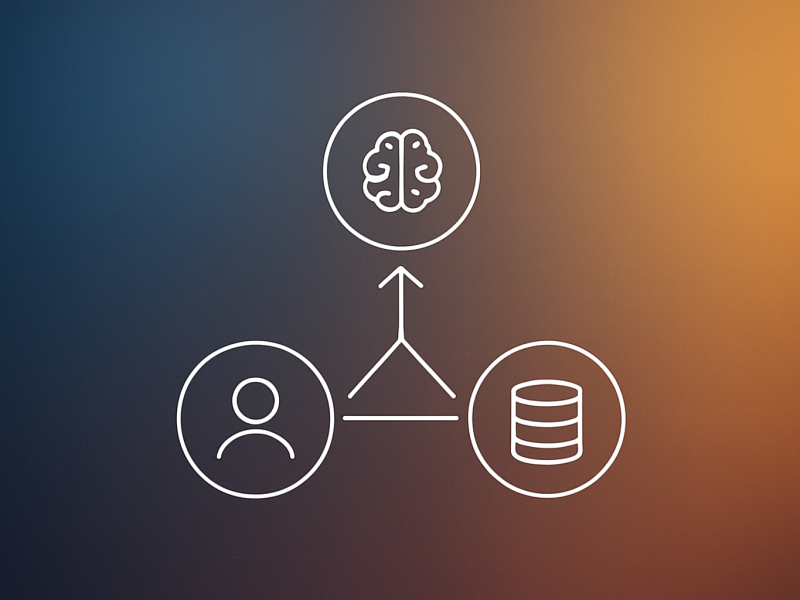
- Synthetic data is not a shortcut. Generating synthetic training examples still requires careful design. Bad synthetic data can hurt model quality just as much as bad real data.
- Curation is an engineering problem. The Photoroom team treated data quality as something to be systematically engineered, not something you can eyeball at the end of a pipeline.
- Real and synthetic data serve different purposes. Rather than picking one, the team combined both, using each where it had an advantage.
For anyone evaluating whether to build or buy an AI image editing solution, this kind of transparency is useful signal. It shows the level of investment required to get a production-grade model working reliably.
Our take
The source excerpt provided to us was empty, so we are working from the published title, URL, and series context rather than the full post content. We want to be upfront about that.
That said, the PRX series as a whole is one of the better public technical diaries from a product company in the image AI space. Most companies either say nothing or publish marketing-flavored summaries. A four-part series that gets into data strategy suggests Photoroom is confident enough in their approach to defend it publicly, which is a reasonable signal of maturity.
For agency clients asking whether they should integrate AI image editing into their product or e-commerce workflow, posts like this are worth tracking. They give you a realistic picture of what it takes to build this stuff properly, and by extension, what you are actually paying for when you use a tool like Photoroom versus trying to roll your own with an off-the-shelf model.
The honest caveat: we cannot verify the specific claims, numbers, or techniques in the full post because the source text was not available. Read the original on the Hugging Face blog before drawing firm conclusions.
What to do about it
If you work with AI image tools or are evaluating them for product photography, background removal, or e-commerce assets, read the full PRX series on the Hugging Face blog. Part 4 on data strategy is the most operationally useful installment for understanding why some models perform consistently and others do not.
Frequently asked questions
What is Photoroom PRX?
PRX is an AI-powered image editing model developed by Photoroom. The company has published a multi-part technical series on the Hugging Face blog documenting the decisions behind it, including architecture, training, and data strategy.
Why is data strategy important for AI image models?
The quality and composition of training data directly affects how well an AI image model performs in production. Poor curation or poorly designed synthetic data can degrade results even if the model architecture is sound.
Does Photoroom use synthetic data to train PRX?
According to the PRX series published on the Hugging Face blog, Photoroom used a combination of real and synthetic data. The fourth part of the series focuses specifically on how that data was assembled and filtered.
Where can I read the full Photoroom PRX series?
The series is published on the Hugging Face blog under the Photoroom author page. Part 4, covering data strategy, is available at huggingface.co/blog/Photoroom/prx-part4-data.