Pew: Half of Americans Use AI Chatbots, but 63% Say It’s Moving Too Fast
A new Pew Research poll finds 49% of Americans use AI chatbots, yet 63% think AI is advancing too fast. Only 16% expect a positive societal impact.
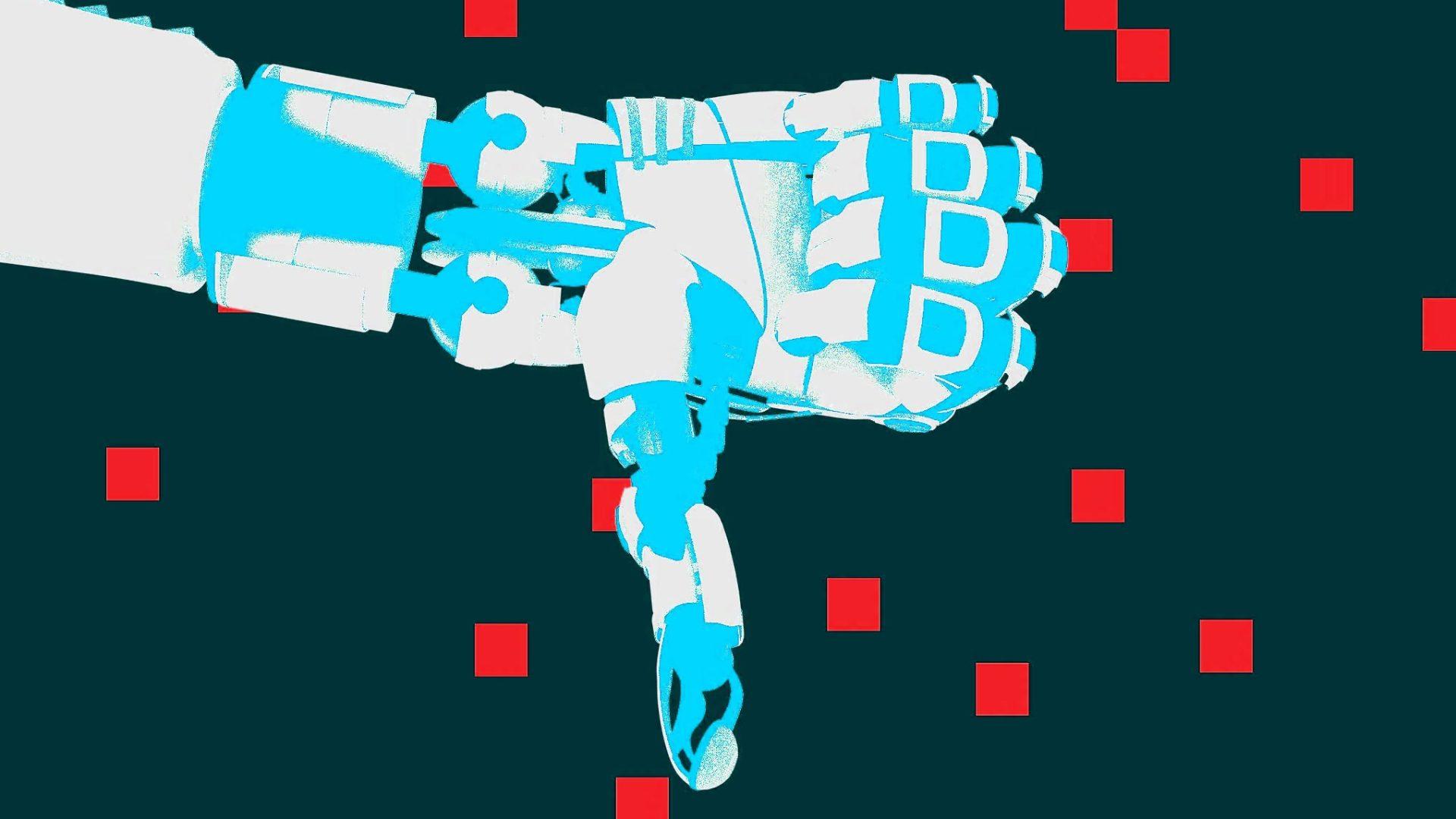
A new Pew Research poll shows that 49 percent of Americans now use AI chatbots at least occasionally, a sharp jump from 33 percent in 2024. Despite that growth, 63 percent of Americans say the technology is advancing too quickly, and only 16 percent believe AI will have a positive impact on society. ChatGPT specifically has seen its usage double since 2023, with 44 percent of respondents reporting they have used it. Younger generations are the heaviest users and, paradoxically, among the most pessimistic about where this is all heading.
What happened
Pew Research released a new poll on American attitudes toward AI chatbots. The numbers show adoption has moved fast: 49 percent of Americans now say they use chatbots at least occasionally. In 2024, that figure was 33 percent. That is a 16-point climb in roughly one year.
ChatGPT is the clearest example of that growth. According to the poll, 44 percent of respondents have used it, which is double the share that reported using it back in 2023.
Sentiment is a different story. Only 16 percent of Americans say they expect AI to have a positive impact on society. Meanwhile, 63 percent say the technology is moving too fast.
The younger generation split
One of the more striking findings is what Pew found among younger Americans. They are the group most likely to use AI tools regularly. They are also the group most likely to feel uneasy about where AI is headed, with 66 percent of Americans in that younger cohort saying AI is advancing too quickly.
That is not the picture the tech industry usually paints. Heavy users being the most skeptical is a meaningful signal.
Why it matters
For anyone running a business, these numbers carry a few practical implications.
- Adoption is real. Nearly half of Americans are already touching these tools. If your customers are in that group, they may already have opinions about how you use AI, and those opinions are not automatically positive.
- Trust is thin. With only 16 percent expecting positive societal outcomes, you are not pushing on an open door when you lead with “AI-powered” in your marketing. That framing may trigger skepticism before you have a chance to demonstrate value.
- Younger audiences are not a safe bet for enthusiasm. The data from Pew flips the usual assumption. Gen Z and millennials using a product more does not mean they are cheerleaders for it.
The gap between usage and trust is worth paying close attention to. People are using these tools because they are useful, not because they believe in them. That is a fragile foundation for any business strategy built around AI adoption as a selling point.
Our take
We work with AI tools every day, and this poll matches what we see in client conversations. People have started using ChatGPT for real tasks. They are not impressed by the concept of AI. They want to know whether a specific tool does a specific job reliably.
The 16 percent positive sentiment figure is striking. It suggests that broad, optimistic messaging around AI is likely to land flat with most audiences right now. What works better is showing the concrete output: here is the time saved, here is the result, here is what it cost.
The younger-generation finding also matters for how agencies and software vendors pitch AI features. Familiarity has not bred affection. It has bred sharper expectations and sharper criticism. That is probably healthy, but it means the bar for “good enough” is rising, not falling.
The doubling of ChatGPT usage in two years is a real business fact. The distrust sitting alongside it is also a real business fact. Both deserve space in your planning.
What to do about it
If you are adding AI features to a product, a service, or a workflow that customers will see, keep these points in mind:
- Be specific about what the AI does. “AI-powered” as a standalone label is not persuasive to a skeptical majority. Name the task, name the output.
- Do not over-promise on societal impact. Your customers are not convinced the technology is net positive. Selling on that premise will cost you credibility.
- Watch for fatigue among younger users. They are experienced with these tools now. Novelty is gone. Reliability and accuracy are what keep them.
- Test your AI messaging with real users. Given the sentiment gap Pew found, assumptions about enthusiasm are risky. A quick user test or survey will tell you more than industry optimism will.
The practical takeaway: lead with the result your AI feature delivers, not with the fact that it uses AI.