OpenAI’s First Hardware Is a $230 Codex Keypad, Not a Smart Speaker
OpenAI's first hardware device is the Codex Micro, a $230 mini keyboard for controlling AI coding agents. Pre-orders ship July 24. Here's what it does.
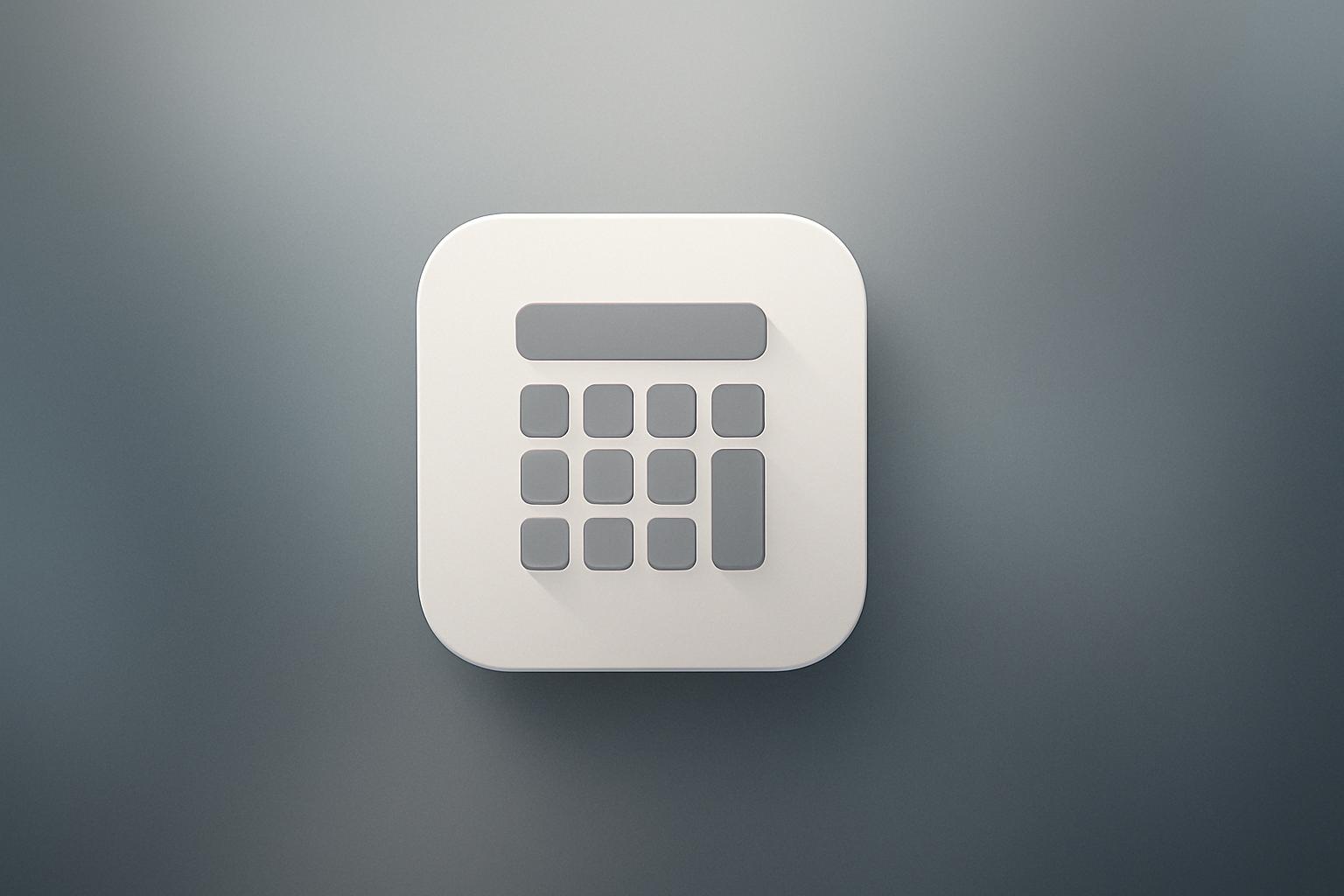
OpenAI made its consumer hardware debut on Wednesday, but not with the screenless smart speaker that reports had teased. Instead, the company revealed the Codex Micro, a $230 miniature keyboard built to monitor and control Codex AI agents. Made in partnership with peripheral maker Work Louder and sold through OpenAI's Supply Co. store, the limited-run keypad targets the 3 million-plus weekly users of OpenAI's Codex coding platform. Pre-orders list an estimated ship date of July 24.
What happened
| Detail | Fact |
|---|---|
| Product name | Codex Micro |
| Price | $230 |
| Made with | Work Louder (peripheral maker) |
| Sold through | OpenAI’s Supply Co. merch store |
| Estimated ship date | July 24 |
| Connectivity | Bluetooth or USB-C |
| Compatibility | Mac and Windows |
| Codex weekly users | 3 million+ (as of April, per OpenAI) |
The Codex Micro is a compact, purpose-built keypad for people who run Codex agents, OpenAI’s AI coding platform that automates software tasks. Rather than typing commands, users interact through physical controls designed around Codex’s specific functions.
Key hardware features include:
- 13 RGB-lit Agent Keys that show the live status of running agents
- A customizable set of Command Keys for frequently used Codex actions
- A rotary dial to adjust the AI’s “reasoning level” (how much compute the agent applies to a task)
- A joystick for launching common workflows
- 32 extra interchangeable keycaps included in the box
The device is a limited run, not a mass-market product. OpenAI is selling it through its Supply Co. store alongside branded merchandise rather than through mainstream retail channels.
Why it matters
This is OpenAI’s first physical product, and it signals where the company thinks its power users are. Codex reportedly had more than 3 million weekly users as of April, and OpenAI says nearly half of that usage is for tasks outside of traditional coding. The company has also been pushing updates to integrate Codex deeper into everyday work, not just development.
A dedicated keypad for an AI agent platform is a bet that interacting with AI through physical controls, rather than chat prompts, feels faster and more reliable for repeat workflows. That’s a genuine idea, not just a merchandise play, but the $230 price tag and limited availability keep it firmly in the enthusiast category for now.
The bigger news context: a Bloomberg report published the day before the launch described OpenAI’s first device as a screenless portable smart speaker meant to act as a “humanlike AI companion” for the home. The Codex Micro is neither of those things. The smart speaker may still be coming, but it was not what OpenAI shipped first. We covered the smart speaker report separately in our earlier piece on OpenAI’s planned ChatGPT hardware device.
Our take
A $230 keypad for a coding agent platform is a very specific product for a very specific audience. If you run Codex agents constantly throughout the day, having physical keys that display agent status and let you dial in reasoning depth without touching a keyboard shortcut is genuinely useful. For everyone else, it’s a novelty.
What’s more interesting is the signal beneath the product. OpenAI building physical hardware at all, even in limited runs, means it is actively exploring what a world looks like where AI agents have their own interfaces and not just chat windows. That’s the trend worth watching, not the keypad itself.
If you’re experimenting with AI-assisted development or workflow automation, the more practical question right now is whether your tooling is well-connected enough to benefit from agent-level control. Our work on AI integration for businesses often starts exactly there: getting the underlying workflows solid before layering on new interfaces.
What to do about it
- Check whether your team already uses Codex or a similar AI coding agent regularly enough to justify a dedicated controller.
- If you pre-order, note the estimated ship date of July 24 and that stock is limited.
- Watch for OpenAI’s rumored smart speaker announcement, which may represent a broader consumer hardware push.
- If you’re just getting started with AI agents in your business workflows, focus on the software layer first before investing in hardware peripherals.
A purpose-built controller only makes sense once the underlying agent workflow is already running smoothly every day.
Frequently asked questions
What is the OpenAI Codex Micro?
The Codex Micro is a $230 miniature keyboard made by OpenAI and Work Louder. It has 13 RGB-lit Agent Keys, a rotary dial for adjusting AI reasoning level, and a joystick for launching workflows. It is designed to control and monitor Codex AI coding agents.
When does the Codex Micro ship?
Pre-orders for the Codex Micro list an estimated ship date of July 24. It is a limited-run product sold through OpenAI's Supply Co. store.
How many users does OpenAI Codex have?
According to OpenAI, Codex had more than 3 million weekly users as of April. The company also noted that nearly half of Codex usage is for tasks outside of coding.
Is the Codex Micro OpenAI's first hardware product?
Yes, OpenAI describes the Codex Micro as its debut consumer hardware device. It was developed with peripheral maker Work Louder and connects via Bluetooth or USB-C on Mac and Windows.