OpenAI Teases a Codex Hardware Device, Launching July 15
OpenAI is releasing a physical device tied to its Codex AI coding tool on July 15, built with keyboard maker Work Louder. Here's what we know so far.
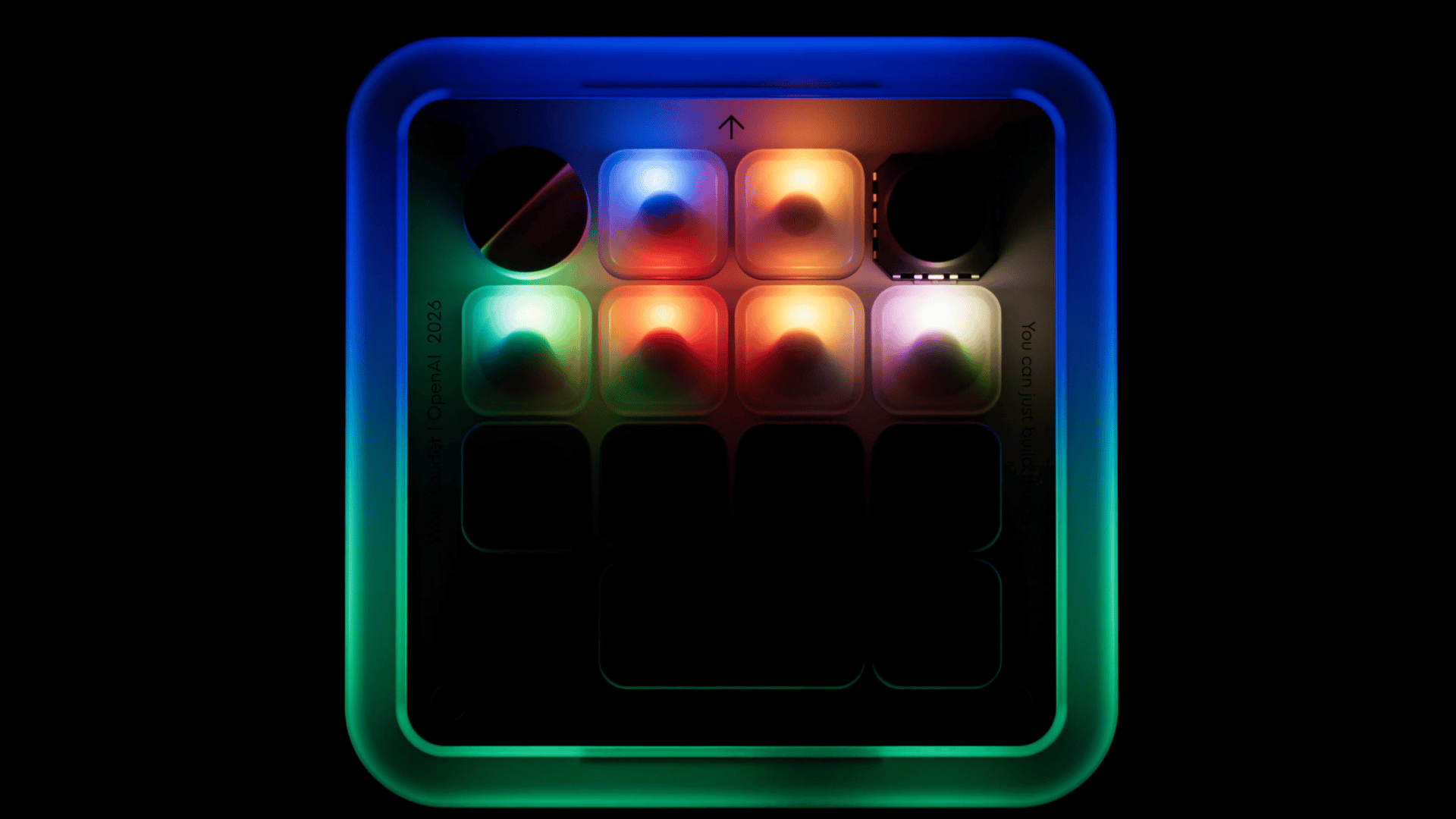
OpenAI will release a physical device tied to its Codex AI coding tool on July 15. The company posted a teaser video on X showing a square device with several buttons, captioned "Your favorite Codex shortcuts are getting an upgrade." The product is being built with Work Louder, a company that makes mechanical keyboards and macro pads with mappable keys, dials, and switches. It is separate from the rumored AI device OpenAI is reportedly developing with former Apple designer Jony Ive.
What happened
OpenAI posted a short teaser video to X on Monday showing a square-shaped device with multiple buttons. The caption read: “Your favorite Codex shortcuts are getting an upgrade.” A launch date of July 15 was included in the announcement.
The device is a collaboration with Work Louder, a company that sells mechanical keyboards and macro pads. Work Louder’s products typically feature mappable keys, dials, and switches, giving users physical controls they can assign to software actions. The silhouette in OpenAI’s teaser is consistent with that kind of hardware.
OpenAI confirmed this is not the separate, more secretive AI device it is working on with former Apple designer Jony Ive. That project remains unannounced. This Codex device appears to be a more focused, productivity-oriented peripheral.
Why it matters
Codex is OpenAI’s AI-powered coding tool. A dedicated hardware accessory suggests OpenAI is thinking beyond the chat interface and toward purpose-built physical controls for developers who use Codex regularly.
Macro pads are already popular among developers and power users for automating repetitive keystrokes. Pairing one with an AI coding tool is a short logical step: instead of typing a prompt or clicking a menu, you press a button to trigger a specific Codex action. The practical appeal is speed and focus, keeping hands on the keyboard and reducing context-switching.
For anyone who has watched OpenAI’s hardware ambitions grow, this also signals the company is not waiting for a single flagship device to enter the physical product space. Smaller, task-specific accessories are a lower-stakes way to test what developers actually want from tangible AI controls.
Our take
A macro pad for Codex is a sensible first hardware move. Work Louder already has the manufacturing and the audience; OpenAI brings the software integration. The risk is low and the use case is real.
That said, the details that matter most are still missing: which specific Codex actions get mapped, how the device connects (USB, Bluetooth, or something else), and what the price looks like compared to Work Louder’s existing lineup. Until July 15, this is a well-timed tease, nothing more.
If you are a developer who already uses Codex daily, this is worth watching. If you are a business owner who occasionally pokes at AI coding tools, it probably is not a priority purchase. Wait for real reviews that test whether the physical shortcuts actually save meaningful time over keyboard shortcuts you could set up yourself.
What to do about it
If Codex is part of your development workflow, mark July 15 and check the Work Louder site alongside OpenAI’s announcements. Compare whatever pricing and specs appear against Work Louder’s existing macro pads to judge whether the Codex-specific integration justifies any price premium over a standard programmable pad you could configure yourself.