Nvidia’s Rubin Liquid-Cooled Data Center Claims Near-Zero Water Use
Nvidia says its Rubin-generation fully liquid-cooled data center reference design eliminates most water usage. Here's what the claim covers and what it leaves out.
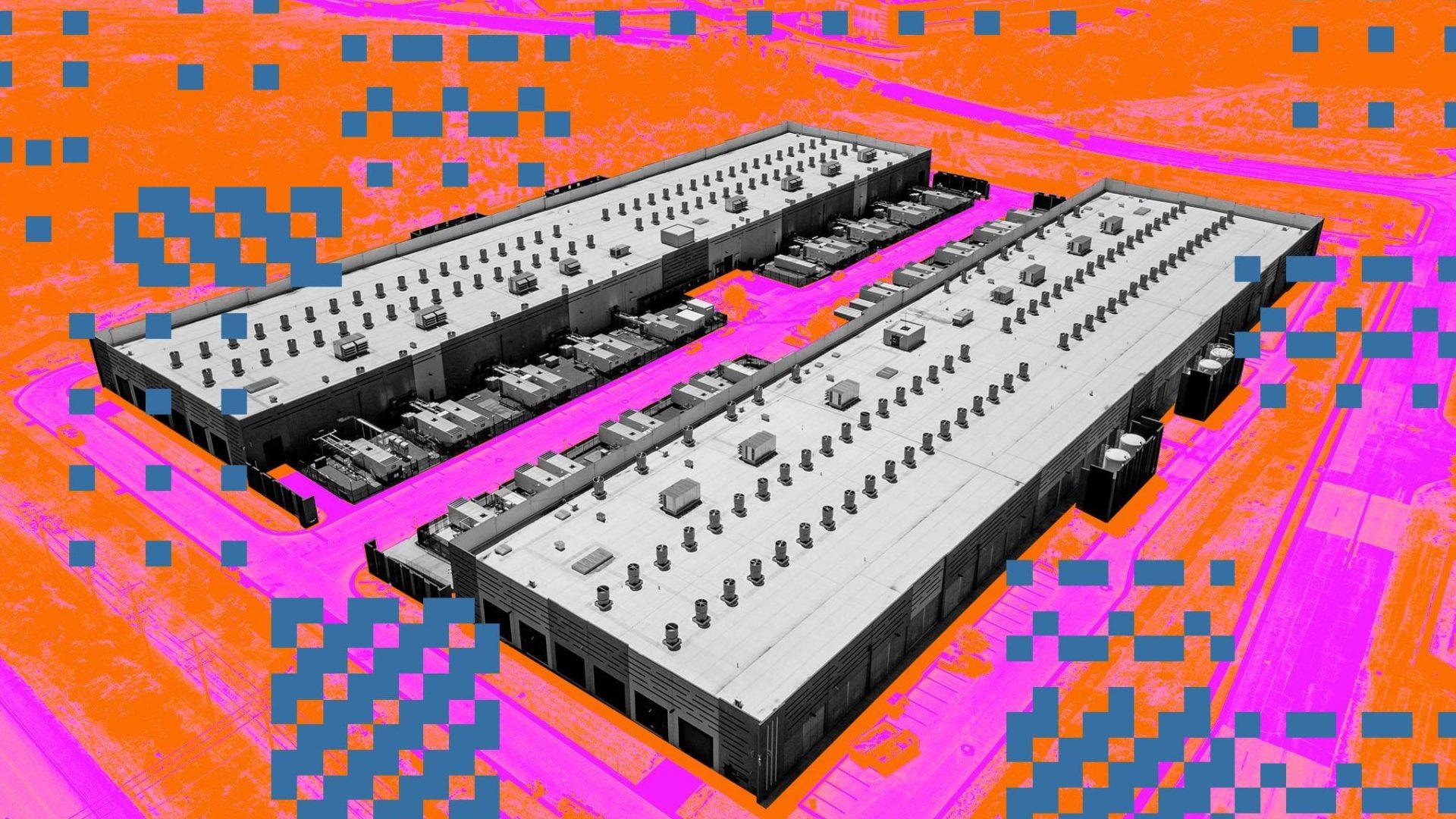
Nvidia published a blog post arguing that its Rubin-generation reference design for a fully liquid-cooled data center has "eliminated massive amounts of power usage and pretty much all water usage." The announcement comes as public opposition to data centers grows over their environmental footprint. However, the post leaves out key details: no construction cost figures are given, and the claims do not cover water or energy consumed during building or the power generation needed to run these large facilities.
What happened
Nvidia published a blog post promoting its Rubin-generation reference design for a fully liquid-cooled data center. According to Nvidia, the design has “eliminated massive amounts of power usage and pretty much all water usage” compared to conventional facilities.
The post frames liquid cooling as the direction the entire industry will take. Nvidia reportedly claims that “every cloud” provider will move toward this style of data center, though no timeline or specific commitments from cloud partners were cited in the post.
The announcement arrives in the middle of growing public and regulatory scrutiny of AI infrastructure. Critics have pointed to water consumption for cooling and high electricity demand as two of the most visible costs of building out large AI data centers.
What the claim does not cover
Several significant factors are missing from Nvidia’s framing.
- Construction impact: The post does not address water or energy used to build these facilities in the first place.
- Power generation: Running a liquid-cooled data center still requires large amounts of electricity. Where that power comes from is not discussed.
- Build cost: As Gizmodo noted, Nvidia’s post includes no comparison of construction costs between liquid-cooled and traditional air-cooled data centers. Liquid cooling infrastructure is generally more expensive to install than air cooling.
These omissions matter because they shift the picture considerably. A facility that uses less water during operation can still carry a heavy environmental and financial cost if the construction footprint and energy source are not accounted for.
Why it matters
Water use has become one of the sharpest points of friction between tech companies and local communities near data center sites. If liquid cooling genuinely removes most operational water consumption, that is a real improvement worth paying attention to.
Power consumption is a separate and harder problem. Liquid cooling makes chips run hotter and more efficiently, which can reduce wasted energy. But as AI workloads grow, total electricity demand from these facilities keeps climbing regardless of cooling method. More efficient cooling does not automatically mean lower total energy use at scale.
For businesses evaluating cloud providers or planning their own infrastructure, the cooling method a provider uses is becoming a relevant due-diligence question, both for sustainability reporting and for reliability in hot climates where water-based cooling faces supply constraints.
Our take
Nvidia’s liquid-cooling push is real engineering progress. Removing water towers and evaporative cooling from a data center is a genuine operational win, and the thermal efficiency gains from liquid-cooled GPU racks are not trivial.
But this post reads more like a positioning move ahead of customer and regulatory pressure than a full accounting of the environmental picture. Skipping construction costs and grid power source in a sustainability claim is a significant gap. Any business using this to justify a vendor decision or to satisfy an ESG checklist should ask their cloud provider for operational water data, power usage effectiveness (PUE) figures, and the carbon intensity of their grid mix. Those numbers tell more of the story than a reference design blog post.
Watch for cloud providers to start citing this reference design in their own sustainability reports. When they do, the construction cost and grid energy questions will be worth pressing on directly.
What to do about it
If you are evaluating cloud infrastructure with sustainability requirements in mind, ask vendors specifically for their PUE rating, operational water usage effectiveness (WUE) score, and the renewable energy percentage of the specific region you would use. Reference designs describe potential, not the actual facility running your workload.