Musk Drops Apple From Antitrust Suit, Keeps Pressure on OpenAI
Elon Musk has dropped Apple from his antitrust lawsuit but is continuing to pursue OpenAI over the ChatGPT-iPhone integration deal announced in 2024.
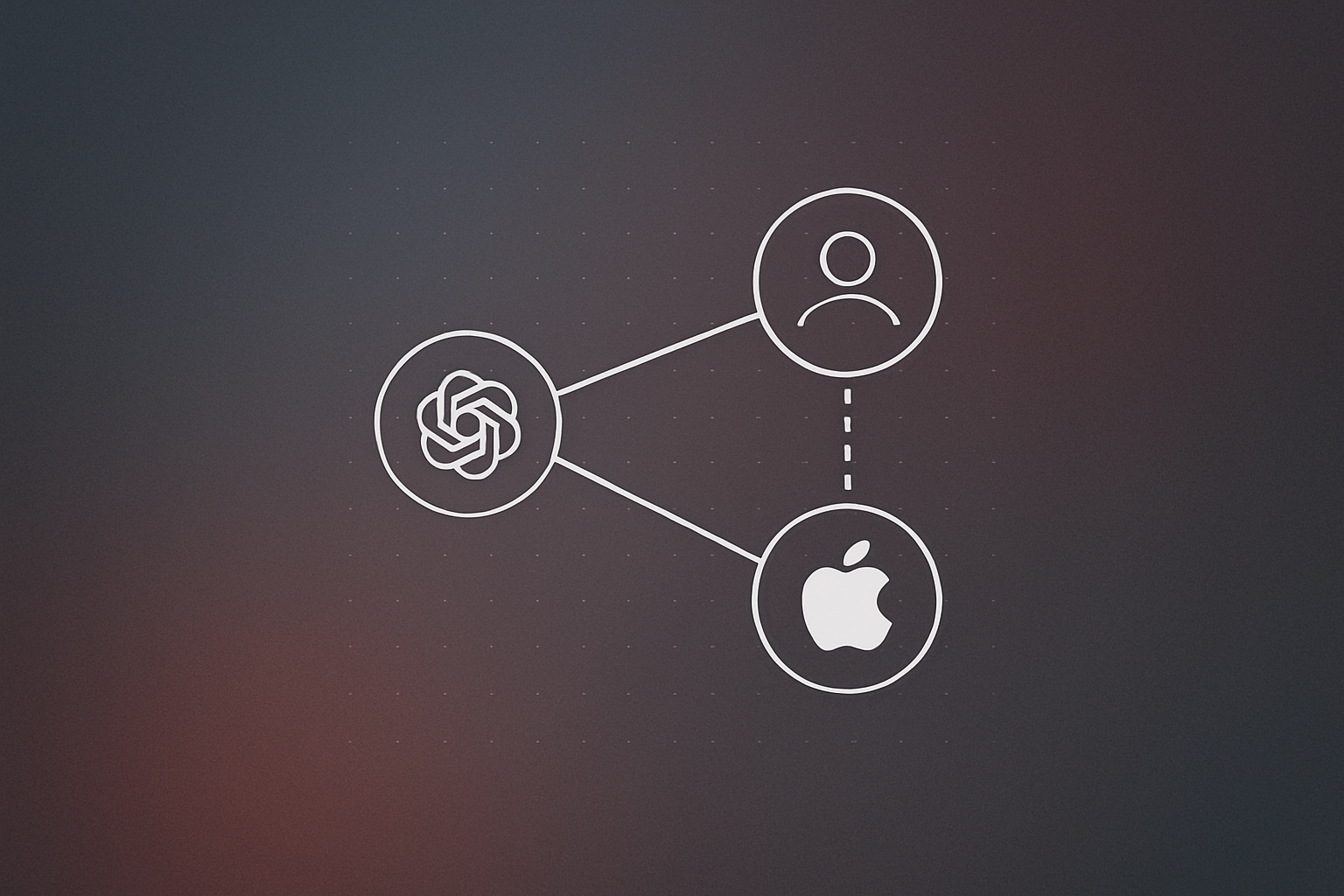
Elon Musk has dropped Apple from his antitrust lawsuit but is keeping OpenAI firmly in the crosshairs. The case stems from the 2024 announcement that Apple would integrate ChatGPT into iPhone features. Musk sued in 2025, claiming the deal handed OpenAI and Apple a "monopoly" over Apple users' AI prompts and harmed competition in both the smartphone and chatbot markets. Apple has now exited the case, while OpenAI remains a defendant.
What happened
In 2024, Apple announced it would integrate ChatGPT directly into iPhone features, a deal Musk publicly attacked at the time. He called it an agreement that would let OpenAI install “creepy spyware” on users’ devices. By 2025, the criticism had become a formal lawsuit, with Musk alleging the partnership gave both firms a “monopoly” over the AI prompts of Apple’s enormous user base.
The suit claimed this arrangement damaged competition in two separate markets: smartphones and chatbots. Now, according to Ars Technica, Apple has found a way out of the case. Musk has dropped the company as a defendant. OpenAI, however, remains in the suit.
Why Musk went after Apple in the first place
The legal action was not purely about the ChatGPT partnership. Musk also believed Apple was actively suppressing Grok, his own AI chatbot, within the App Store. In August 2025, he publicly claimed that “Apple is behaving in a manner that makes it impossible for any AI company besides OpenAI to reach #1 in the App Store, which is an unequivocal antitrust violation.”
That allegation, combined with the ChatGPT integration deal, formed the core of his argument: that Apple was using its platform dominance to favour one AI provider over all others, in a way that foreclosed fair competition.
Why it matters
The Apple-OpenAI integration is one of the most consequential AI distribution deals in recent memory. Embedding ChatGPT into the default iPhone experience gives OpenAI access to hundreds of millions of users who never had to seek out a chatbot themselves. For competing AI companies, including those building on the App Store, that kind of built-in placement is very difficult to match through organic discovery alone.
Even without Apple remaining as a co-defendant, the antitrust questions about OpenAI’s position in the market are still live. If Musk’s suit proceeds and produces any discovery or rulings, it could expose details about how the Apple-OpenAI deal was structured and what exclusivity, if any, was involved. That is useful context for anyone in the AI industry watching how platform owners choose their preferred AI partners.
For businesses building AI products or evaluating which tools to rely on, this is worth watching. A finding that platform-level AI integrations create anticompetitive conditions would have real implications for how AI services get distributed across devices and operating systems. We have covered the broader tension around who controls AI infrastructure in our analysis of why Altman, Amodei, and Musk all converged on AI slowdown discussions.
Our take
Musk dropping Apple but continuing against OpenAI tells you something about the real target here. Apple is a platform; OpenAI is a competitor. The lawsuit looks less like a principled antitrust case and more like a legal tool aimed at a specific rival.
That said, the underlying concern is not without merit. When a platform with over a billion active devices picks a single AI provider and integrates it at the OS level, every other AI company is starting from a structural disadvantage. Whether that crosses a legal line is for courts to decide, but as a competitive reality it is already shaping the market.
If you are building an AI integration strategy for your business, the lesson here is to avoid over-relying on any single platform’s default AI tooling. The distribution landscape for AI is contested and could look very different in two years depending on how cases like this resolve.
What to do about it
- Track the OpenAI portion of the suit for any discovery that reveals details about the Apple partnership’s exclusivity terms.
- Audit which AI tools your business uses and whether they are platform-dependent or accessible cross-platform.
- If you sell via the App Store, watch for any regulatory or legal developments that affect how AI apps are ranked or promoted.
- Consider building your AI workflows on API-level integrations rather than relying on device-native AI defaults.
Frequently asked questions
Why did Musk sue Apple and OpenAI?
Musk filed the antitrust suit in 2025, claiming that Apple's decision to integrate ChatGPT into iPhone features gave Apple and OpenAI a monopoly over Apple users' AI prompts, harming competition in both smartphone and chatbot markets.
Did Musk drop Apple from the antitrust lawsuit?
Yes. According to Ars Technica, Apple has found a way out of the suit and Musk has dropped the company as a defendant. OpenAI remains in the case.
What did Musk say about Grok and the App Store?
In August 2025, Musk claimed that Apple was making it impossible for any AI company other than OpenAI to reach the top spot in the App Store, which he described as an unequivocal antitrust violation.
What is the Apple ChatGPT integration?
In 2024, Apple announced a partnership to embed ChatGPT directly into iPhone features, giving OpenAI a built-in presence on Apple devices for a large portion of the global smartphone market.