MoEngage Acquires AI Agent Tech to Give Every Customer Their Own Bot
India's MoEngage made an all-cash acquisition to gain technology that assigns individual AI agents to each customer. Here's what it means for marketing automation.
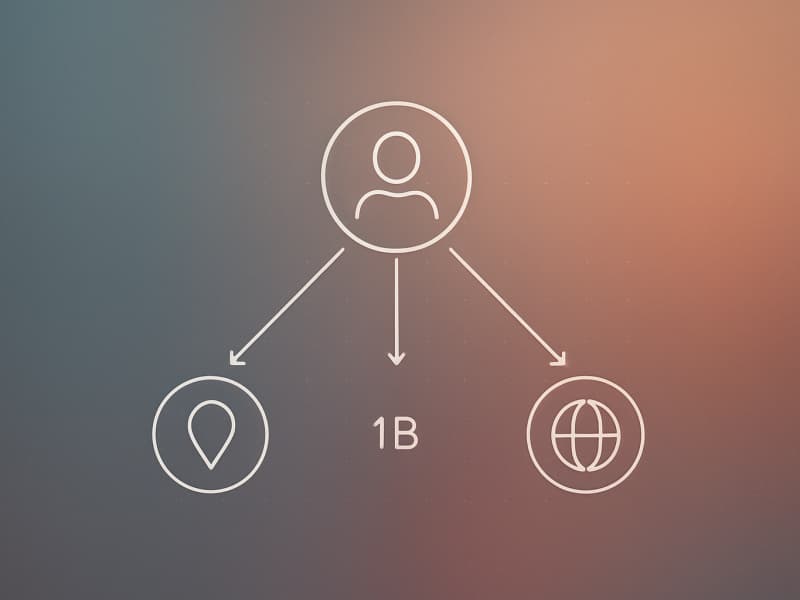
India's MoEngage has completed an all-cash acquisition to get its hands on technology that assigns individual AI agents to customers on a one-to-one basis. The deal positions the marketing automation platform to run what it describes as millions of AI agents simultaneously, each handling a separate customer relationship. According to TechCrunch, MoEngage sees this as the direction marketing is heading: not one campaign sent to a segment, but a dedicated agent for every single person in your database.
What happened
MoEngage, a marketing engagement platform headquartered in India, closed an all-cash acquisition of a company whose core technology assigns AI agents to individual customers. TechCrunch reported the deal on June 23, 2026. Financial terms beyond the all-cash structure were not disclosed in the source.
The acquired technology is built around the idea of running agents at scale. Rather than a single AI model handling all customer interactions in sequence, the approach spins up separate agents for each customer, allowing those agents to act, personalise, and respond independently and simultaneously.
Why it matters
Most marketing platforms today still work on a segment-and-broadcast model. You define an audience, build a campaign, and send it. Personalisation happens at the template level: swap in a first name, adjust a product recommendation. That is a far cry from what MoEngage is describing.
An agent-per-customer model would mean each contact in your CRM has a persistent AI process tracking their behaviour, choosing when to reach out, what to say, and through which channel. The implications for marketing teams are significant:
- Campaign management shifts from building journeys to setting goals and guardrails for agents to follow.
- The volume of AI decisions happening per day would dwarf anything a human team could review or audit.
- Costs and infrastructure requirements for running millions of concurrent agents at any meaningful quality level remain an open question.
For businesses already using MoEngage or evaluating marketing automation tools, this acquisition signals where the platform intends to invest its product roadmap. If the technology delivers, it could push competitors to accelerate their own agent-based features.
Our take
The framing of “millions of AI agents” is attention-grabbing, but the substance here is real. The architectural shift from one model serving many users to many agents serving one user each is not trivial. It changes cost structures, latency, observability, and how you even define a “campaign” anymore.
That said, we would pump the brakes on assuming this is plug-and-play for the average MoEngage customer anytime soon. Acquiring the technology is step one. Making it reliable, auditable, and affordable enough for a mid-market e-commerce brand or a financial services company with compliance requirements is a much longer road.
The honest version of this story is: MoEngage made a smart bet on a direction that is probably correct, and they are now well ahead of most competitors in owning that technology. Whether they can productise it into something a marketing manager can actually run without an AI engineering team sitting next to them, that is the real test.
Watch for how they price agent usage. Per-agent, per-action, or flat-fee pricing will tell you a lot about whether this is built for real scale or just for the enterprise tier.
What to do about it
If you are currently evaluating marketing automation platforms, add agent-based capabilities to your requirements checklist now, not as a nice-to-have but as a question about roadmap and timeline. Ask vendors specifically: how are agents scoped, how are they audited, and what does overage cost? The answers will separate platforms with genuine infrastructure from those bolting on a chatbot and calling it agentic.