How Mach 1 Runs AI Agents Across 25 Companies Using Zapier MCP
Mach 1 uses Zapier MCP and its Tower platform to run AI agents across 25 companies without rebuilding integrations. Here's exactly how they do it.
Mach 1, an AI operations platform for mid-market companies, runs its Tower platform across 25 separate business environments without rebuilding integrations for each one. The key: Zapier MCP (Model Context Protocol), a standardized interface that lets Tower's agents access each customer's existing tools through a single connection layer. CEO Chris Olson, who previously helped cut a sports tech company's annual cash burn from $9 million to $5 million in free cash flow within a year, says this architecture is what separates production AI operations from a laptop-based productivity tool.
What happened
| Fact | Detail |
|---|---|
| Companies on Tower | 25 mid-market businesses |
| Gmail via Zapier MCP | 87 of the last 90 days, 9,552 tasks |
| Zapier workflows (internal CRM) | 150,630 tasks in the last 90 days |
| CRM tool | Notion, connected via Webhooks by Zapier |
| Other MCP connections | Microsoft Outlook, Microsoft Excel |
| Prior result (sports tech) | $9M annual cash burn to $5M free cash flow in one year |
Mach 1 built Tower to act as an operational control layer for AI agents. Tower decides which tools an agent should use for a given task, applies each customer’s permission rules, holds context across multi-step processes, and logs every decision so operators can audit what happened. Each of the 25 customer companies has its own technology stack and its own internal rules.
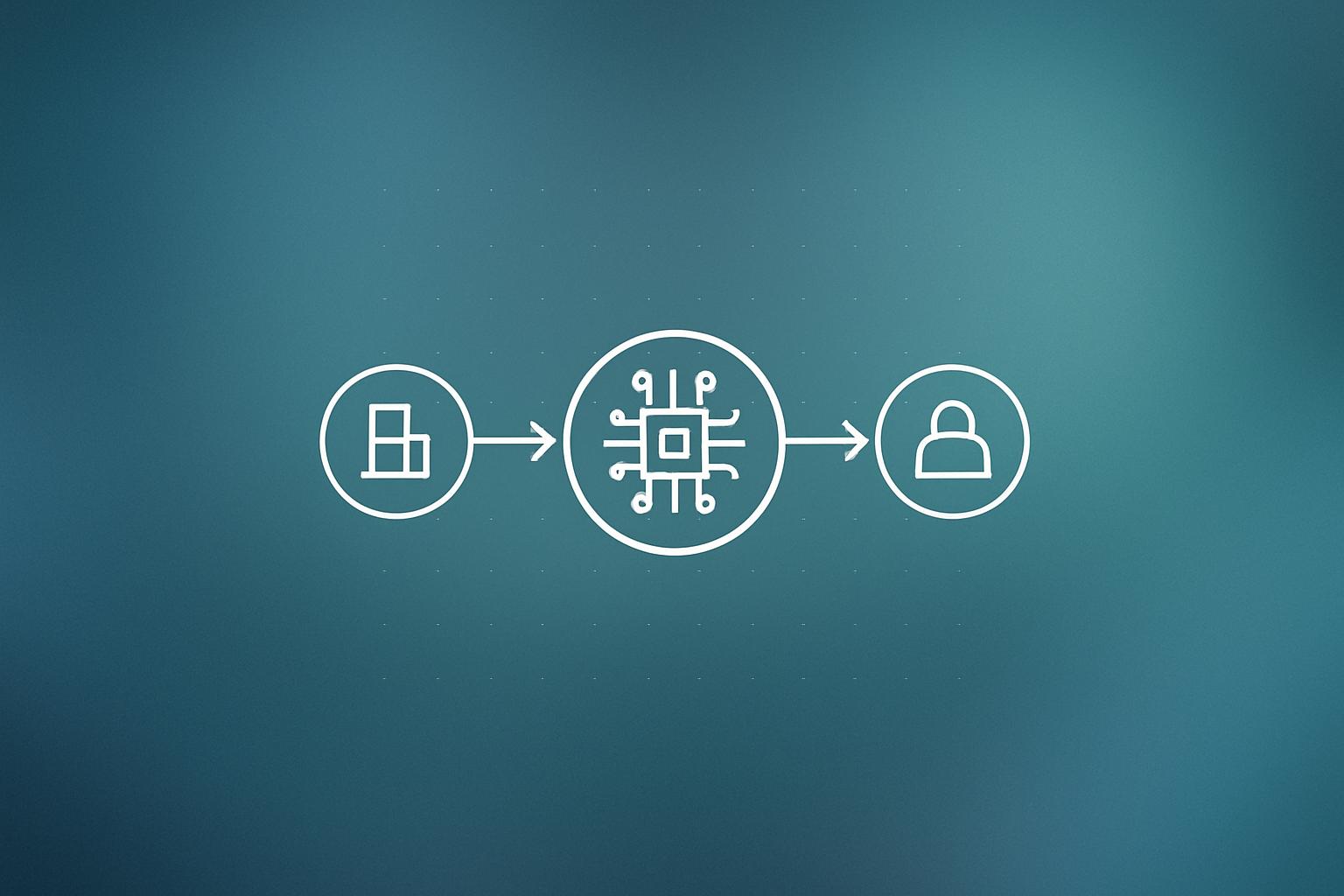
Rather than building direct API connections to every tool in every customer’s environment, Mach 1 routes access through Zapier MCP. Each customer sets up a Zapier MCP server tied to the tools and accounts they already use. Tower talks to those tools through a single standardized interface. The customer controls which actions are available and which permissions apply.
Why does this integration approach matter for AI agents?
Direct API integrations sound simple but rarely are. Authentication, security reviews, per-customer configuration, and ongoing maintenance can each turn a single integration into a meaningful engineering project. Gmail is one example Olson cites: direct API access across multiple customer environments requires considerably more than a single API key.
For an agent-first platform serving 25 different companies, that cost multiplies fast. A support escalation might start in Gmail, pull data from a CRM, trigger an internal approval, and then write updates to several other systems. Building every hop from scratch would make Mach 1 an integrations company rather than an AI operations company.
Zapier MCP shifts that burden. Mach 1 focuses on the orchestration and intelligence. The workflow automation layer handles the connectivity. The numbers suggest the approach works at volume: 9,552 Gmail tasks and 150,630 internal CRM workflow tasks in a 90-day window are not prototype numbers.
Production agents vs. productivity assistants
Olson draws a clear line between tools like Claude Code or Codex, which are useful for an individual working at a laptop, and agents that must keep running regardless of whether any particular person is online.
“What happens when someone closes the lid of the laptop? What happens when you’re sending production volume through one model provider and that provider experiences downtime? You don’t want a critical business process tied to one person’s device or one model.”
Tower runs agents as managed infrastructure. It keeps the state of long-running processes, records every tool call, and gives operators a way to review, correct, and adjust behavior over time. This is worth noting for any business considering where to draw the line between a helpful AI assistant and a reliable automated business process.
How Mach 1 uses the same stack internally
Mach 1 does not just sell this approach; it runs on it. The company’s own CRM lives in Notion. Webhooks by Zapier connect it to renewal emails, nurture campaigns, and other sales workflows. Those 150,630 tasks happened without engineering involvement, which before Zapier would have required sitting down with a developer for each new connection point.
This internal use matters because it gives Mach 1 real operational experience with the same constraints its customers face, including model provider downtime, permission edge cases, and process complexity across different tools.
Our take
The architecture Mach 1 describes is a sensible answer to a real problem. Most businesses asking about AI integration underestimate how much of the work is connectivity, not intelligence. Getting an agent to reason well is hard. Getting it to reliably authenticate, respect permissions, and handle failures across a dozen different SaaS tools in a dozen different customer environments is harder and far less glamorous.
Using Zapier MCP as the connectivity layer is a pragmatic call. It trades some control and flexibility for a massive reduction in integration overhead. The task volumes Mach 1 reports are high enough to suggest this holds up in production, not just in demos.
The one honest caveat: any platform that routes production business processes through a third-party middleware layer is now dependent on that middleware’s reliability and pricing. That is a real risk worth pricing in before committing a critical workflow to this stack.
If you are running AI agents for clients or want to see how others have tackled similar multi-system automation challenges, the Lumien case studies show how we approach connecting agents and workflows to real business operations.
What to do about it
- Audit which tools your AI agents actually need to touch and how many require per-customer authentication.
- Evaluate whether Zapier MCP covers those tools before investing in custom API integrations.
- Separate “productivity assistants” from “production agents” in your planning. The latter need state management, logging, and fallback behavior, not just a good prompt.
- Run your own stack on the same infrastructure you sell or recommend. Mach 1’s internal usage data is their best proof point.
- Account for third-party middleware dependency in your SLA and continuity planning before you go live with critical workflows.
The practical takeaway: if agent connectivity is eating your engineering budget, a standardized MCP layer may be the fastest way to stop rebuilding the same integrations for every new customer or use case.
Building an automation like this? Most client workflows we ship run on Make (referral link, it supports our reporting). If you would rather have it built and monitored for you, that is our workflow automation service.
Frequently asked questions
What is Zapier MCP and how does it work with AI agents?
Zapier MCP (Model Context Protocol) lets AI agents access a user's existing tools through a standardized interface. Each customer sets up a Zapier MCP server connected to their accounts, and the agent platform talks to those tools without needing custom API integrations for each one.
How many companies does Mach 1's Tower platform support?
Tower currently supports AI operations for 25 mid-market companies, each with a different technology stack and internal business rules.
What is the difference between an AI assistant and a production AI agent?
According to Mach 1 CEO Chris Olson, productivity assistants like Claude Code work well for individuals on a laptop, but production agents must run continuously as managed infrastructure, maintaining state, logging decisions, and operating independently of any single person's device or model provider.
How many tasks did Mach 1 generate using Zapier in 90 days?
Mach 1's agents accessed Gmail via Zapier MCP on 87 of the last 90 days, generating 9,552 tasks. Its internal Zapier workflows connecting a Notion CRM to sales processes produced 150,630 tasks over the same period.