How an IIM Bangalore MBA Student Uses Claude to Kill “Admin Tax”
An IIM Bangalore MBA student went viral explaining how he uses Anthropic's Claude to track deadlines and cut mental overhead. Here's what he does and why it matters.
Rakshit Ravindranathan, an MBA candidate at IIM Bangalore, went viral on LinkedIn in August 2026 after describing how a missed assignment submission pushed him to overhaul his workflow with AI. He now uses Anthropic's Claude as a central task tracker, letting it hold all his deadlines and commitments so he can focus on the actual work. His post struck a chord with students and professionals who recognise the same problem: too many platforms, too much mental overhead, not enough thinking time.
What happened
Rakshit Ravindranathan, an MBA student at the Indian Institute of Management (IIM) Bangalore, posted on LinkedIn about a simple but painful problem: he missed an assignment deadline because the due date was scattered across a WhatsApp group, an online portal, and his own memory. No single source held the full picture.
That miss pushed him to build a deliberate system around AI.
How the system works
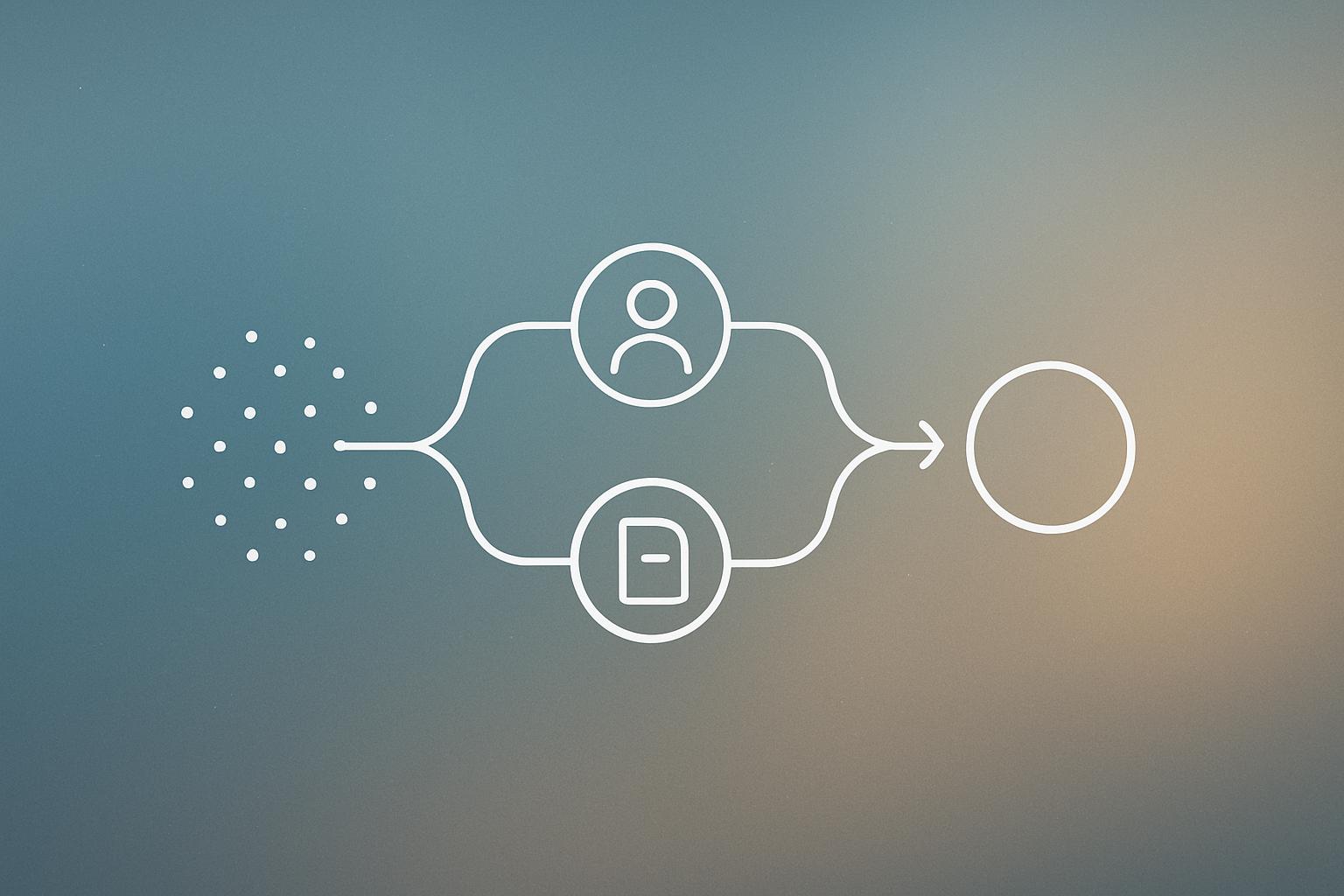
Ravindranathan now feeds all commitments, deadlines, and tasks into Anthropic’s Claude (the AI assistant from the lab that also makes the Claude API). Claude holds the running record. He checks it rather than trying to remember everything himself.
He told his LinkedIn audience the point is not which AI tool you use. His classmates at IIM Bangalore use a spread of options:
- ChatGPT (OpenAI)
- Google Gemini
- Custom AI workflows connected directly to their calendars
- Claude (Anthropic), his own choice
The common thread is offloading what he calls the “admin tax”: the mental energy spent tracking logistics rather than doing real work.
Why does this approach resonate so widely?
One line from the post cut through: “Being busy is not the flex it used to be. Being on top of it is.”
That framing captures something a lot of knowledge workers feel but rarely articulate. Busyness used to signal effort. Now, if AI can absorb the scheduling and reminder work, busyness just means poor organisation. The flex has shifted to clarity and output.
Ravindranathan is careful to draw a line: AI handles the repeatable organisational layer, not the thinking. It does not generate original ideas or replace the analysis required in an MBA programme. It clears the path so the human can actually get to that analysis.
Why it matters
This is not a story about a novel AI capability. It is a story about adoption behaviour at a serious institution, and that is worth watching. IIM Bangalore is one of India’s most competitive business schools. If students there are treating AI assistants as a core study infrastructure rather than a novelty, that norm will travel into the companies they join.
For businesses already thinking about AI integration across their teams, the pattern here is instructive. The win is not dramatic automation of complex tasks. It is removing the small, repetitive coordination work that drains attention throughout the day. That is where the time actually goes.
It also fits a broader pattern we have been tracking: AI tools moving from “useful for drafting text” to “trusted operational layer.” When someone trusts an AI with their calendar and task list, they have crossed a meaningful threshold of reliance.
Our take
The “admin tax” framing is honest and useful. In agency work, we see the same thing: a surprising chunk of a team’s week goes to remembering what needs to happen next, chasing confirmations, and syncing across platforms. That is not skilled work. It is coordination overhead, and AI handles it well.
What Ravindranathan is describing is essentially a personal workflow automation built on a conversational AI layer. The tooling is simple. The discipline to actually trust it and maintain it is where most people stall.
One honest caution: Claude, ChatGPT, and Gemini are stateless by default in most interfaces. They do not actually “remember” your tasks between sessions unless you are using a memory feature or feeding context back in each time. If you want a reliable second brain, you need to understand how your chosen tool handles persistence, or build a proper integration rather than relying on chat history.
For anyone curious whether this kind of setup makes sense for their team, it is worth starting small: pick one category of recurring admin (weekly reporting, deadline tracking, meeting prep) and run it through an AI for a month before committing to a full workflow rebuild. Visit our contact page if you want a second opinion on what that could look like for your business.
What to do about it
- Pick one repetitive coordination task (deadline tracking, meeting prep notes, follow-up reminders) and route it through an AI assistant for 30 days.
- Check whether your AI tool of choice has persistent memory or whether you need to paste context at the start of each session. Adjust accordingly.
- Separate organisational use from creative or analytical use. Let AI hold the schedule; do the thinking yourself.
- If you want calendar or project-tool integration rather than manual prompting, look at workflow connectors before assuming the chat interface alone will do the job.
The real productivity gain is not the AI. It is the freed attention you get back when you stop carrying the list in your head.
Building an automation like this? Most client workflows we ship run on Make (referral link, it supports our reporting). If you would rather have it built and monitored for you, that is our workflow automation service.
Frequently asked questions
What AI does the IIM Bangalore student use for productivity?
Rakshit Ravindranathan uses Anthropic's Claude to track deadlines, manage tasks, and organise his calendar. His classmates use a range of tools including ChatGPT, Google Gemini, and custom AI workflows connected to their calendars.
What is the 'admin tax' in AI productivity?
The term, used by Ravindranathan, refers to the mental energy spent on repetitive coordination work such as tracking deadlines and reminders rather than on actual thinking or problem-solving. AI tools can absorb this overhead.
Can Claude remember your tasks between sessions?
Claude and most AI chat tools are stateless by default, meaning they do not retain information between separate sessions unless a memory feature is enabled or you provide context again. For reliable task tracking, check whether your tool supports persistent memory or integrate it with a dedicated calendar or task system.
Should I use AI for task management as a student or professional?
According to Ravindranathan's experience, using AI to centralise deadlines and commitments reduces cognitive load and frees attention for more important work. The key is using it for organisational tasks, not as a substitute for original thinking.