Hollywood Studios Are Dropping a Critical Sam Altman Film After Amazon Exit
Netflix, A24, Focus Features, and Warner Bros. Clockwork all passed on distributing Artificial, Luca Guadagnino's biographical drama about OpenAI CEO Sam Altman.
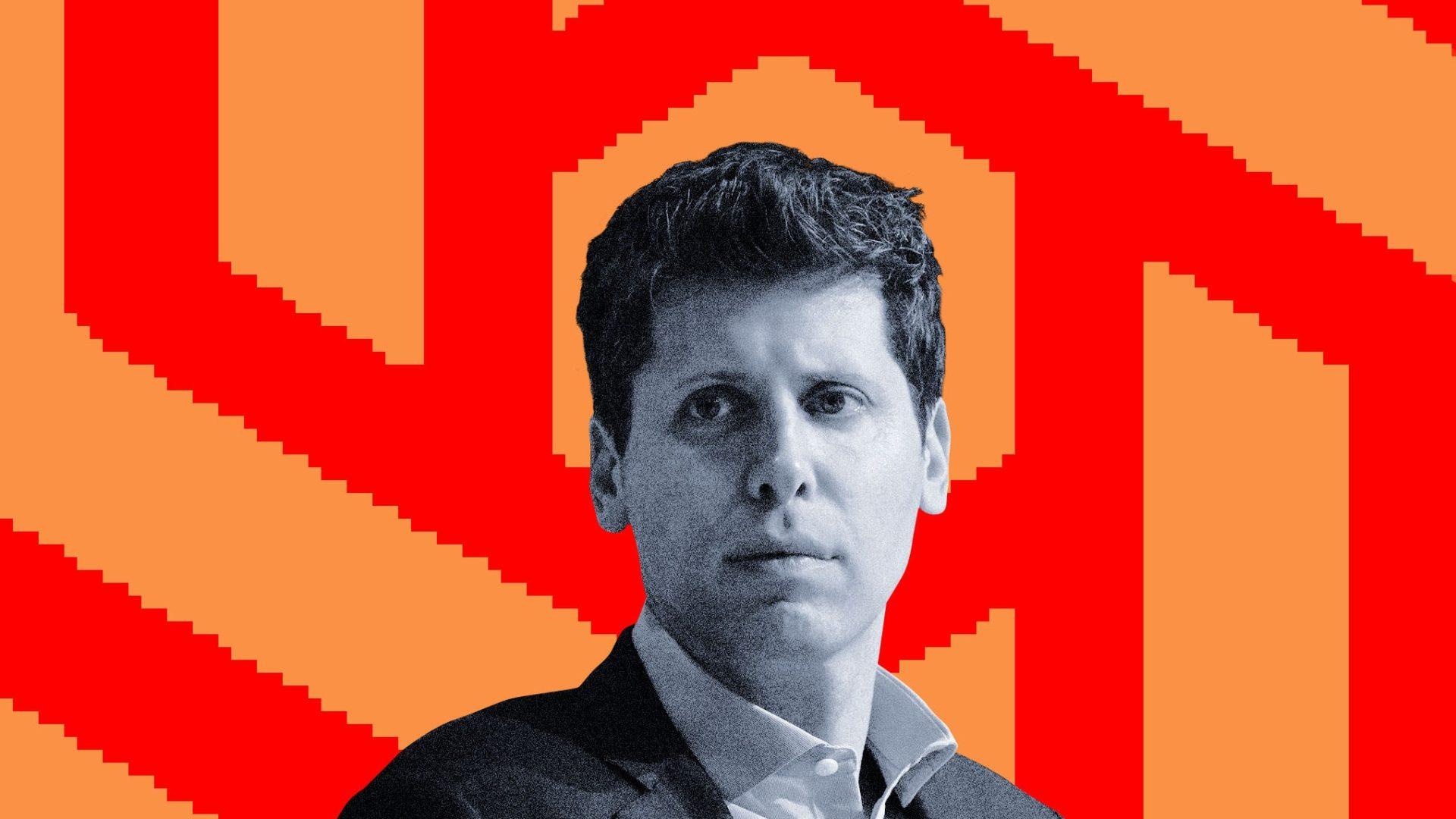
Amazon MGM dropped distribution of Artificial, director Luca Guadagnino's biographical drama about OpenAI cofounder and CEO Sam Altman, even though post-production on the film was nearly complete. Since then, Netflix, A24, Focus Features, and Warner Bros. Clockwork have all reportedly passed on picking it up. Only Neon and Mubi are still said to be in the running. The pattern is hard to ignore: major studios appear reluctant to distribute a film that takes a critical look at one of the most powerful figures in the technology industry.
What happened
Amazon MGM announced last week that it will not distribute Artificial, a biographical drama about OpenAI CEO Sam Altman directed by Luca Guadagnino. The announcement caught many in the industry off guard because the film was reportedly close to finishing post-production, a stage where distribution decisions are typically already locked in.
After Amazon stepped away, several other major distributors were approached. According to reporting by The Verge, all of the following have passed:
- Netflix
- A24
- Focus Features
- Warner Bros. Clockwork
Neon and Mubi are reportedly still considering the film, though no deal has been announced for either.
Why it matters
This is not a small indie with a shaky script. Guadagnino is a commercially successful, awards-recognised director. A film this far into production being abandoned by one major distributor and then passed on by four more is unusual.
The subject matter is almost certainly a factor. Sam Altman leads OpenAI, one of the most influential and politically connected technology companies operating right now. OpenAI has relationships, formal or informal, with a wide range of media, cloud, and distribution platforms. Amazon itself is a cloud and streaming giant with its own AI ambitions.
Studios passing on a critical biographical film about a sitting tech CEO sends a signal, even if no studio has said publicly why they declined. That silence is its own kind of statement.
For anyone watching how AI companies are accumulating influence, this story is a concrete example. It is not about a policy, a model release, or a research paper. It is about whether the entertainment industry will still produce and distribute work that challenges the people building these systems.
Our take
From where we sit, the timing here is notable. OpenAI is aggressively courting media partnerships, and major cloud and streaming platforms have financial reasons to stay friendly with companies like it. Studios are businesses, and businesses manage relationships.
That does not mean there is a coordinated effort to suppress the film. It does mean the incentive structure makes it easy for each studio to say no quietly, one at a time, without anyone having to make a public stand. The result is the same either way.
Neon and Mubi picking this up would be a meaningful move. Both are smaller, more independent distributors. If neither bites, the film’s path to a wide audience gets significantly harder, which is effectively a form of soft suppression regardless of intent.
For businesses following AI closely, the takeaway is not really about the movie. It is about how much leverage AI companies have already accumulated across adjacent industries, including media and entertainment, less than three years after ChatGPT launched publicly.
What to do about it
If you want to follow this story, watch whether Neon or Mubi close a deal and what release strategy they use. A streaming-only or limited theatrical release would confirm that major platforms want no part of it. A wide release would suggest there are still distributors willing to take the risk. Either outcome tells you something real about the current balance of power between tech companies and the media industry.