Google Courts Hollywood Studios for AI Training Deals. The Risk Is Theirs.
Google is reportedly offering Hollywood studios large payments for AI training rights. The cash looks good short-term, but the studios carry most of the risk.
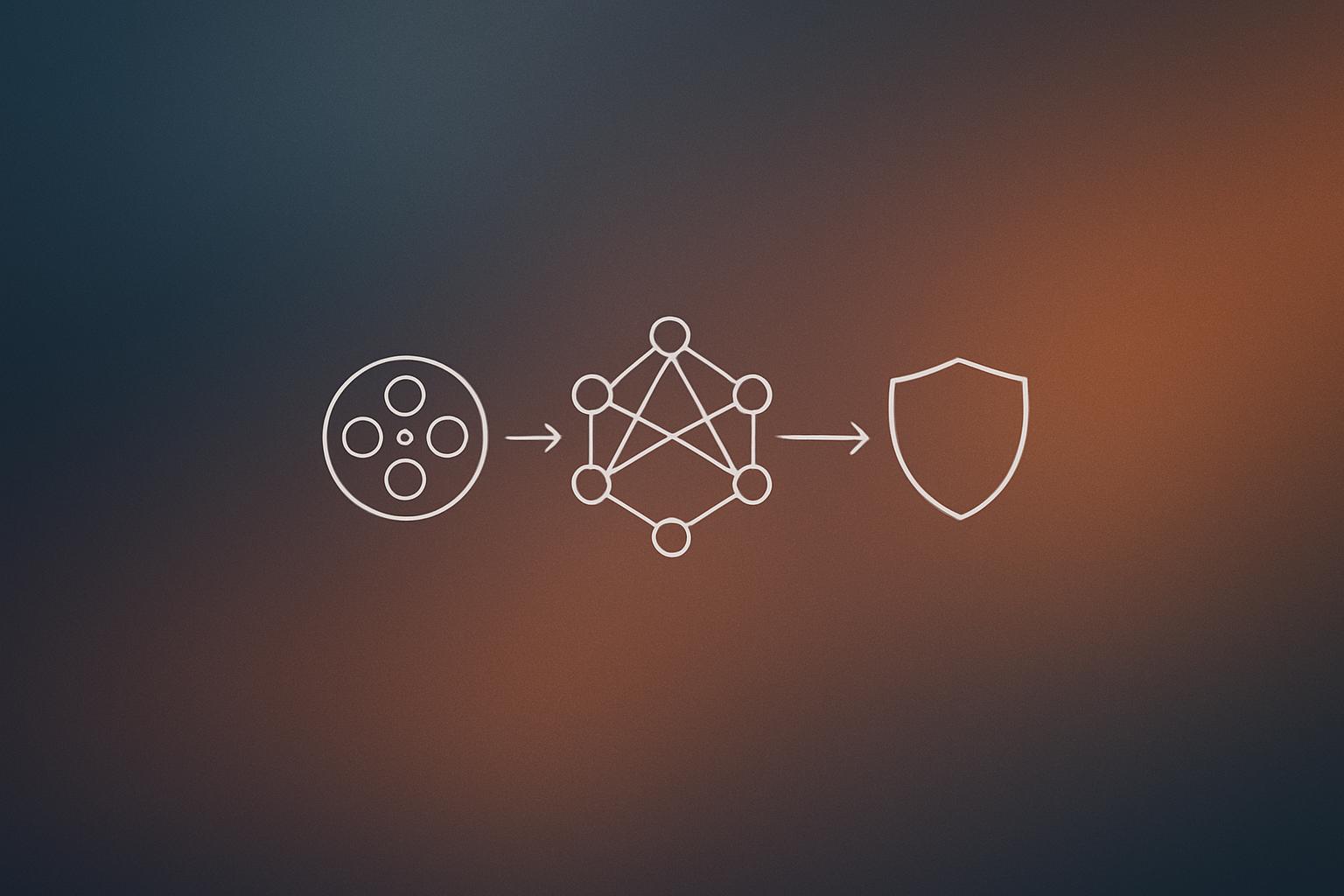
Google has reportedly been approaching several of Hollywood's biggest studios, offering large sums of money in exchange for licensing agreements that would let it train AI models on copyrighted film and TV content. The arrangement looks attractive on paper: studios get a cash injection, Google gets a competitive edge in the AI race. But according to The Verge, the upside is lopsided. Google has little to lose, while the studios take on real and specific risks if they go all-in on these deals.
What happened
Google is actively reaching out to major Hollywood studios, seeking licensing agreements that would allow it to use copyrighted film and television content to train its AI models. The studios would receive significant payments in return. The Verge reports that, in theory, both sides gain something, but the balance of risk is not equal.
For Google, the appeal is straightforward. Access to high-quality, professionally produced content would give its AI models a material advantage over competitors. The cost of the licensing deals, whatever it turns out to be, is a business expense in a race where falling behind has serious consequences.
Why it matters
Hollywood studios hold some of the most valuable intellectual property in existence. Decades of films, TV shows, scripts, and production assets represent a training data set that no web scrape can replicate. Google knows this, which is why it is reportedly going directly to the source rather than relying on publicly available material.
But the studios face a harder calculation. Taking Google’s money means licensing content that, once used to train a model, could eventually help automate the very creative work the studios pay writers, directors, and actors to do. The short-term revenue might look good on a quarterly earnings call. The long-term structural consequences are harder to price.
This is not a new tension. The music industry is already fighting a parallel battle, with Sony, EMI, and Warner suing Anthropic over alleged copyright violations. Hollywood studios watching that lawsuit would be right to think carefully before signing anything with Google.
There is also a competitive dynamic inside the studios themselves. Any studio that licenses its library to Google gives Google, and indirectly Google’s other partners and customers, a window into proprietary creative assets. That is a different kind of risk than a licensing fee dispute.
Is Google more dependent on Hollywood than Hollywood is on Google?
The Verge’s framing suggests yes. Google needs exclusive, high-quality training data to stay competitive with OpenAI and other well-funded AI developers. It is the one knocking on doors. The studios, for their part, are not short of ways to monetize their content. Streaming rights, theatrical releases, merchandise, and theme parks all generate revenue without any of the IP exposure that an AI training deal would create.
That asymmetry matters. When the party with less leverage is the one offering the money, the party receiving it should think hard about what is really being asked for.
Our take
From where we sit, this looks like a classic situation where one side is pricing a short-term asset and the other is acquiring a long-term capability. Google is buying something durable. The studios are selling something that, once licensed, they cannot un-license.
If you work in any creative industry and your business depends on proprietary content, this story is worth watching closely. The terms Hollywood negotiates, or refuses to negotiate, will set a precedent for how AI companies approach content licensing across the board. For businesses thinking about how AI fits into their own workflows, the underlying question is the same: who actually benefits when your content trains someone else’s model?
We would expect more studios to stall, bring in IP lawyers, and watch the music industry litigation play out before signing anything. The cash is real. The risk is also real.
What to do about it
- Follow the music industry copyright cases against AI companies. The outcomes will directly shape what Hollywood can and cannot agree to.
- If you produce original content at any scale, review what your terms of service say about third-party AI training use of your material.
- Watch which studios sign deals and which refuse. That split will tell you something about each studio’s confidence in its own long-term content strategy.
- If you are evaluating AI tools for your own business, check whether the vendor’s training data disclosures match the quality promises they make.
Frequently asked questions
Why is Google trying to license Hollywood content for AI training?
Google wants access to high-quality, professionally produced film and TV content to train its AI models. This kind of material is more controlled and valuable than publicly scraped web content, and would give Google a competitive advantage over other AI developers.
What do Hollywood studios get out of an AI training deal with Google?
According to The Verge, studios would receive large cash payments in exchange for allowing Google to use their copyrighted content. The financial benefit is real, but the long-term risks around IP exposure and creative automation are significant.
Do AI training deals with studios violate copyright law?
That is still being decided in court. Several music labels including Sony, EMI, and Warner are suing Anthropic over similar issues. The outcome of those cases will likely influence how Hollywood approaches any Google licensing agreement.
Are the studios more at risk than Google in these AI deals?
The Verge's reporting suggests yes. Google is acquiring a durable training asset with limited downside, while studios face potential long-term risks including IP exposure and helping automate the creative work they pay humans to produce.