Google AI Overviews Now Auto-Expand, Pushing Organic Results Further Down
Google confirmed AI Overviews now auto-expand for some queries, removing the 'Show more' button and pushing organic results further down the page.
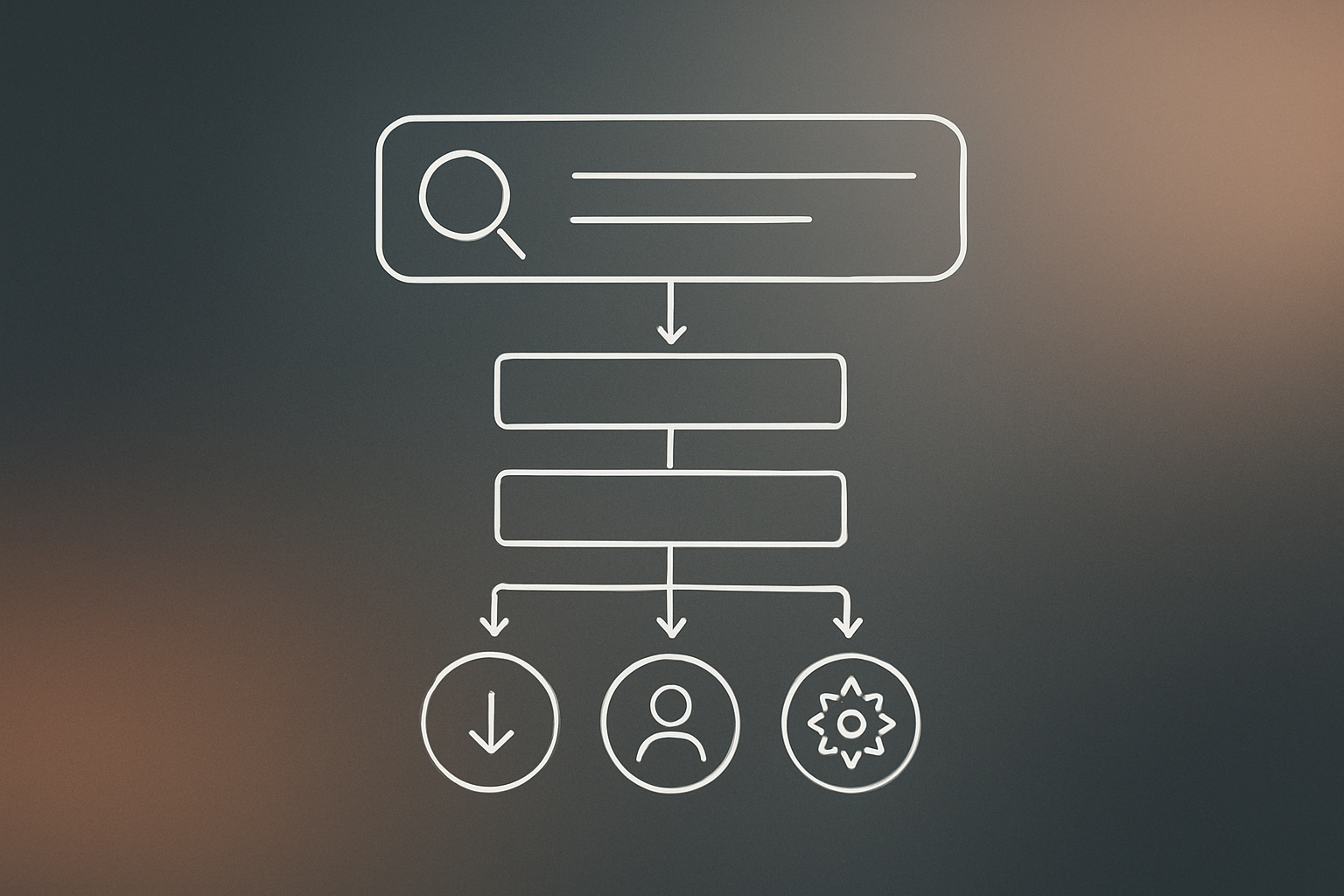
Google confirmed on August 27, 2026 that AI Overviews will now auto-expand to their full response for some queries, eliminating the "Show more" button and pushing organic search results further down the page. The change makes affected search result pages look closer to Google's AI Mode, where a full AI answer dominates the screen before any traditional blue links appear. Google has not disclosed how many queries are affected or whether the behaviour will spread.
What happened
| Detail | Fact |
|---|---|
| Confirmed by | Google spokesperson |
| Date spotted | August 27, 2026 |
| First to report | Chris Long, posted on X |
| Trigger | Google systems judge full expansion “most useful” for the query |
| User scroll protection | Expansion cancelled if user has already started scrolling |
| Queries affected | Not disclosed |
For certain searches, Google’s AI Overview now opens in its fully expanded state automatically. Previously, users saw a short snippet and had to click “Show more” to read the full AI response. Under the new behaviour, that button disappears and the complete answer loads immediately, which means organic results sit lower on the page by default.
Google built in one small concession: if a user has already started scrolling toward the organic results below, the auto-expansion is cancelled so they do not lose their reading position.
A Google spokesperson described the rationale: “For some queries, AI Overviews may dynamically expand for topics where our systems determine it’s most useful for people.” Google also stated that its research shows users “find Search more helpful and engage deeper in follow-up exploration” with the dynamic experience.
Why does this matter for SEO and organic traffic?
AI Overviews were already reducing click-through rates for many queries by answering questions directly on the results page. Auto-expansion amplifies that effect. A longer, fully visible AI answer means a user may get everything they need before a single organic result is even visible on screen.
Chris Long flagged a related detail in his X post: for these queries, Google is also showing the AI Mode prompt box by default. His read is that “this is how Google continues to push AI Mode as the default search experience.” AI Mode is Google’s fully conversational search interface, and the two features together make the standard results page look increasingly like a chat interface.
Earlier in the same week, Google added link carousels for developing topics inside AI Mode, similar to what already existed in AI Overviews. The carousels surface source links, but as Search Engine Land noted, that is unlikely to recover clicks for most queries where a full AI answer is displayed.
For businesses relying on informational or top-of-funnel organic traffic, this is another incremental hit. Queries that previously sent traffic through a snippet click may now resolve entirely within the AI Overview. This is worth tracking in your SEO reporting by segmenting informational queries from transactional ones and watching click-through rate by query type in Search Console.
Our take
Google’s framing, that users engage more deeply with the dynamic experience, is probably true and also slightly beside the point for site owners. Deeper engagement with Google’s interface is not the same as traffic to your site. The pattern here is consistent: every UI change over the past two years has moved answers closer to the top of the page and organic links further from it.
The scroll-protection detail is a small but telling sign that Google is at least aware of the UX tension. It does not change the direction of travel, though. If you are building content strategies around informational keywords, the calculus is shifting again. Transactional, local, and comparison queries still send clicks because AI Overviews cannot fully replace the act of buying, booking, or comparing specific products. Informational content that exists purely to rank is increasingly exposed.
We have been watching this trajectory in our own client work. As we covered recently when Google rolled out the google.com/goto tracking parameter, the search giant is also getting better at attributing downstream behaviour, which means they have data to justify these expansions even if publishers do not benefit. Watch your Search Console impression-to-click ratios by query type. That is your early warning signal.
What to do about it
- Pull your Search Console data segmented by query type and compare click-through rates month-over-month, specifically for informational queries.
- Identify your top-traffic informational pages and check whether they now trigger an AI Overview. Tools like SE Ranking and Semrush flag AI Overview presence per keyword.
- Shift content investment toward transactional, local, and comparison pages where AI Overviews are less likely to fully satisfy intent.
- For any page that does appear as an AI Overview source, optimise for citation: clear structured data, concise factual answers near the top, and strong brand signals so the link carousel includes you.
- If organic informational traffic is a core revenue driver for your business, talk to us about a diversification plan before the next expansion wave.
The trajectory is clear: informational SEO is getting harder, and waiting to see how far Google goes is a strategy with a shrinking runway.
Frequently asked questions
What does Google AI Overviews dynamically expanding mean?
For some queries, Google now automatically shows the full AI Overview response without the user needing to click 'Show more'. The complete AI answer loads immediately, pushing organic search results further down the page.
Will Google AI Overviews auto-expansion reduce organic traffic?
It is likely to reduce clicks for informational queries. A fully expanded AI answer visible above organic results means users may get their answer without clicking through to any website. Google has not released data on the traffic impact.
What percentage of Google queries trigger the auto-expanded AI Overview?
Google has not disclosed what percentage of queries are affected or whether the feature will expand to more queries over time.
What is the difference between AI Overviews and AI Mode in Google Search?
AI Overviews appear within the standard search results page as a summarised AI answer. AI Mode is Google's fully conversational search interface. The auto-expanding AI Overviews make the standard results page look more like AI Mode by filling the screen with an AI-generated response.