GM’s V2G Push: EV Batteries as Grid Storage for AI Data Centers
GM announced vehicle-to-grid activation, sodium-ion commercial batteries, and a public charging feature at a San Francisco event targeting AI-driven electricity demand.
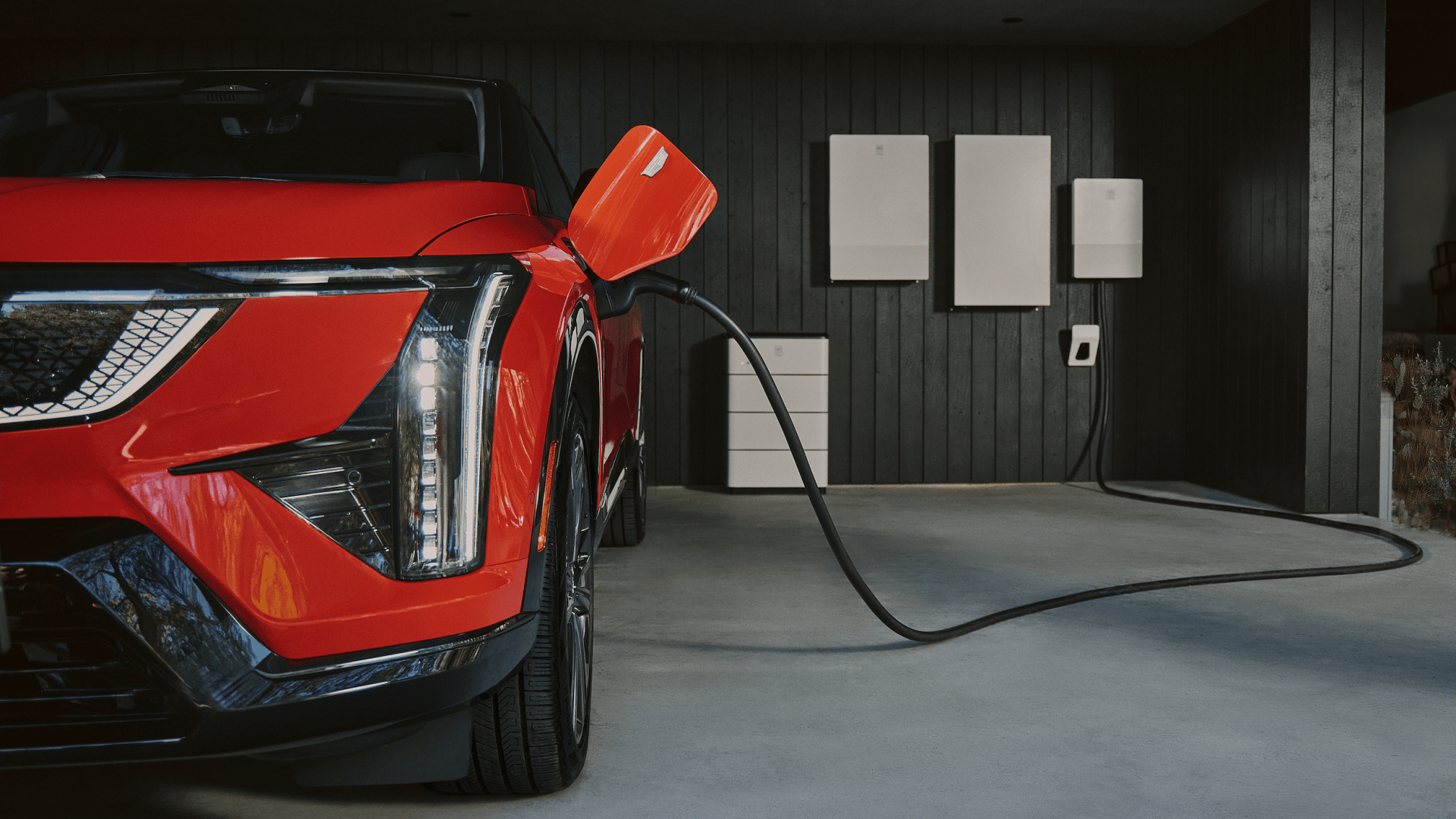
At an event in San Francisco, General Motors announced three moves aimed squarely at the growing electricity strain caused by AI data centers. GM said it will activate vehicle-to-grid (V2G) capabilities for current EV and home energy customers, launch a new commercial energy storage system built on sodium-ion batteries for industrial-scale grid use, and roll out a feature to make public charging simpler for EV owners. The company is positioning idle EVs in driveways as a ready-made reservoir of grid storage capacity.
What happened
General Motors held an event in San Francisco to announce a set of energy-focused moves for its EV and commercial customers. Three distinct announcements came out of the event.
- Vehicle-to-grid (V2G) activation: GM will turn on V2G features for its existing EV and home energy customers, letting those vehicles push stored electricity back into the grid rather than just draw from it.
- Sodium-ion commercial storage: GM is releasing a new commercial energy storage system strategy anchored by sodium-ion batteries built for industrial-scale grid applications.
- Public charging simplification: A new feature for EV owners is coming that GM says will reduce friction when using public chargers.
The backdrop is the surging electricity demand from AI data centers, which GM explicitly cited as the problem its energy business is trying to help solve. According to GM, millions of EVs currently sit idle in driveways, representing untapped storage capacity that could feed back into stressed grids.
Why it matters
AI data centers consume enormous and growing amounts of electricity. Grid operators are under real pressure to find flexible storage that can absorb excess power when demand is low and release it during peaks. Utility-scale battery projects take years to permit and build. EVs, by contrast, already exist in large numbers and plug into homes every night.
V2G changes an EV from a pure consumer of grid power into a two-way asset. For a homeowner, that could mean bill credits or backup power. For a grid operator, it means distributed storage without new infrastructure. The catch has always been activation: automakers have been slow to actually switch on bidirectional charging at scale, which is what makes GM’s announcement worth watching.
Sodium-ion batteries are also notable on the commercial side. They do not rely on lithium, which has supply chain and cost pressures attached to it. If GM’s sodium-ion cells perform well at industrial scale, that is a meaningful alternative for grid operators who do not want to depend on lithium supply chains for stationary storage.
Our take
GM framing EVs as a grid resilience play is smart positioning, but the details matter more than the announcement. V2G has been “coming soon” from multiple automakers for years. The question is how many vehicles will actually be enrolled, what the compensation looks like for owners, and whether the utility partnerships are in place to make bidirectional flow work in practice.
For business owners thinking about energy costs, especially those running servers, retail locations, or facilities with heavy power loads, this is worth tracking. Distributed V2G programs from a major automaker could eventually offer demand-response credits that offset energy bills. That is not guaranteed yet, but it is the direction GM is pointing.
The sodium-ion commercial storage announcement is the quieter but potentially more durable story here. Stationary storage that sidesteps lithium cost volatility is genuinely useful for anyone building out a commercial or industrial energy strategy. Watch for pricing and cycle-life specs before drawing conclusions.
What to do about it
If you own or manage a business with an EV fleet or on-site charging, keep an eye on GM Energy’s rollout timeline for V2G enrollment. Signing up early for pilot programs typically comes with better compensation rates. If your business has significant electricity costs, ask your utility now whether they have any V2G or demand-response programs active, because some already do independent of GM’s announcement.