GitHub Cuts Missing License Data from 45% to 24% with Registry-First Approach
GitHub now pulls license data from package registries like npm and PyPI, cutting missing licenses from 45% to 24% across 170 million packages in the dependency graph.
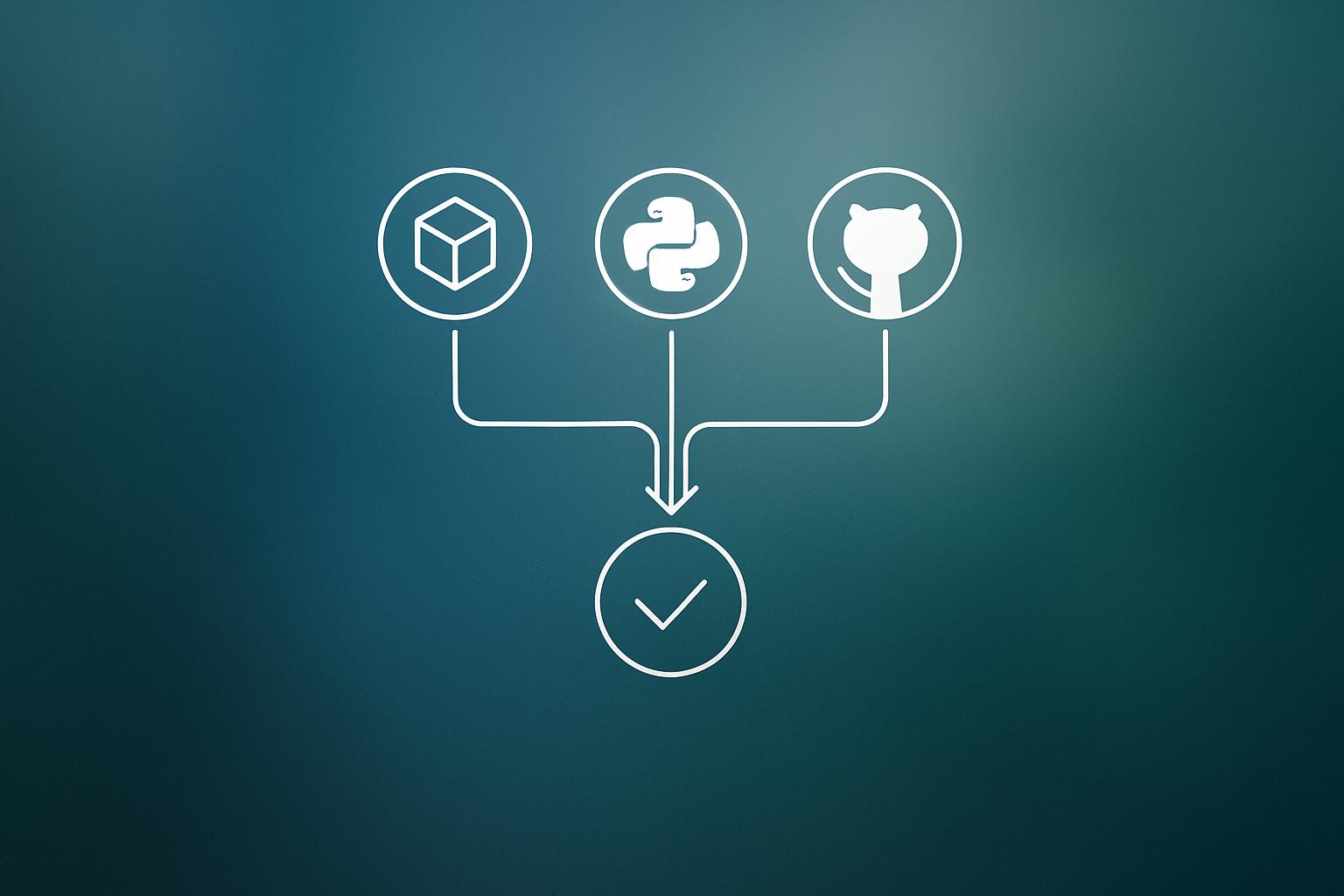
GitHub has updated how it determines license information across its dependency graph, switching the primary source from the ClearlyDefined scanning service to official package registries including npmjs.org, PyPI, NuGet, and six others. The result: missing license data fell from 45% to 24% across 170 million tracked packages. The change rolled out to all GitHub users and affects dependency insights, software bills of materials (SBOMs), the open-source license compliance feature in GitHub Advanced Security, and the dependency review action.
What happened
| Detail | Value |
|---|---|
| Total packages in dependency graph | 170 million |
| Missing licenses before | 45% |
| Missing licenses after | 24% |
| Previous primary data source | ClearlyDefined |
| New primary data source | Canonical package registries |
| Rollout | All GitHub users, available now |
GitHub’s dependency graph tracks which open-source packages a repository depends on and shows each package’s license so teams can spot compliance risks. Until now, that license data came mainly from ClearlyDefined, a community service that scans package files for license text. GitHub says ClearlyDefined’s depth-first file scanning approach produced results that users found confusing, and coverage was incomplete.
The new approach treats the package’s own canonical registry as the authoritative source. Each ecosystem maps to one registry:
| Package Manager | Registry |
|---|---|
| npm | npmjs.org |
| NuGet | nuget.org |
| Python | pypi.org |
| RubyGems | rubygems.org |
| Rust | crates.io |
| Go | pkg.go.dev |
| Maven | deps.dev |
| Dart | pub.dev |
| PHP | packagist.org |
GitHub still falls back to ClearlyDefined when registry data is unavailable, and continues to contribute to that project.
Version ranges: why this matters beyond the headline number
The previous system required a separate database entry for every individual package version. The new system stores license data as version ranges, which means new releases inherit coverage automatically without waiting for a manual update.
GitHub gives a concrete example: Grafana relicensed from Apache-2.0 to AGPLv3 when it moved from version 7 to version 8. The database now holds two entries, one covering versions 1.0.0 through 7.5.17 (Apache-2.0) and one covering 8.0.0 and later (AGPLv3). This approach both compresses the database and handles future Grafana releases without any additional work. Because of this, GitHub notes the actual coverage improvement is higher than the headline shift from 45% to 24% suggests.
Why it matters for your projects
License compliance is increasingly a real business concern, not just a legal formality. Many enterprises and government contracts now require a software bill of materials (an SBOM is a machine-readable inventory of every component and its license in a piece of software). Inaccurate or missing license data in that SBOM can delay procurement, trigger audit findings, or create unexpected legal exposure if a copyleft license like AGPLv3 is embedded in a commercial product.
The dependency review action, which can block pull requests that introduce packages with disallowed licenses, is only as useful as the underlying data. Cutting missing data nearly in half means fewer false negatives where a risky license slips through undetected because GitHub simply had no information about it.
If your team uses AI-assisted development tools that pull in third-party packages rapidly, accurate license metadata is the safety net that keeps you from shipping a compliance problem without realising it.
Our take
This is a quiet but solid improvement. ClearlyDefined is a well-intentioned project, but asking a file-scanning service to be the canonical source of license truth when the package maintainer already declared the license in their registry metadata was always the wrong order of operations. Going to the source first is the right call.
The version-range approach is the more interesting engineering choice here. It solves a real operational problem: packages release constantly, and any system that requires manual per-version entries will always lag. The Grafana example also serves as a useful reminder that licenses change, and your tooling needs to track that history, not just the current state.
One caveat: registry metadata is only as accurate as what maintainers declare. A package author who sets the wrong SPDX identifier in their package.json will now propagate that error more efficiently. GitHub’s fallback to ClearlyDefined helps, but it is not a complete safety net. For high-stakes compliance work, a manual review of key dependencies remains worthwhile.
Teams managing open-source compliance across many repositories should check their GitHub service history and re-run any SBOM exports or dependency reviews that may have been generated before this update went live, since the underlying data has materially changed.
What to do about it
- Re-export any SBOMs generated before August 2026 so they reflect the improved registry-sourced data.
- Re-run your dependency review action on open pull requests to catch licenses that previously showed as unknown.
- Check the dependency insights page for repositories with known compliance requirements and confirm license fields are now populated.
- For packages still showing missing licenses, look up the package directly on its canonical registry to see whether the maintainer has declared a license there.
- Flag any packages where the registry-declared license looks wrong (mismatched SPDX identifier) and consider contributing a correction upstream.
The data is better today than it was last week. Run your compliance checks again and update any SBOM exports you have shared with clients or auditors.
Frequently asked questions
How did GitHub improve license data for the dependency graph?
GitHub switched its primary license data source from ClearlyDefined to official package registries (npm, PyPI, NuGet, and others). This cut missing license data from 45% to 24% across 170 million packages.
What is a software bill of materials (SBOM) on GitHub?
An SBOM is a machine-readable list of every open-source component in a repository along with each component's license. GitHub can generate SBOMs from the dependency graph and uses them in its Advanced Security license compliance feature.
Does the GitHub dependency review action benefit from this change?
Yes. The dependency review action, which can block pull requests introducing packages with disallowed licenses, relies on the same license data. More complete data means fewer licenses slip through as 'unknown'.
What happens if GitHub still can't find a license from the package registry?
GitHub falls back to ClearlyDefined, the file-scanning service it used previously. It also still contributes data to ClearlyDefined even though it is no longer the primary source.