Elon Musk Crosses $1 Trillion Net Worth After SpaceX IPO
Elon Musk's net worth passed $1 trillion after SpaceX went public. Here's what the IPO numbers mean and why it matters beyond the headline.
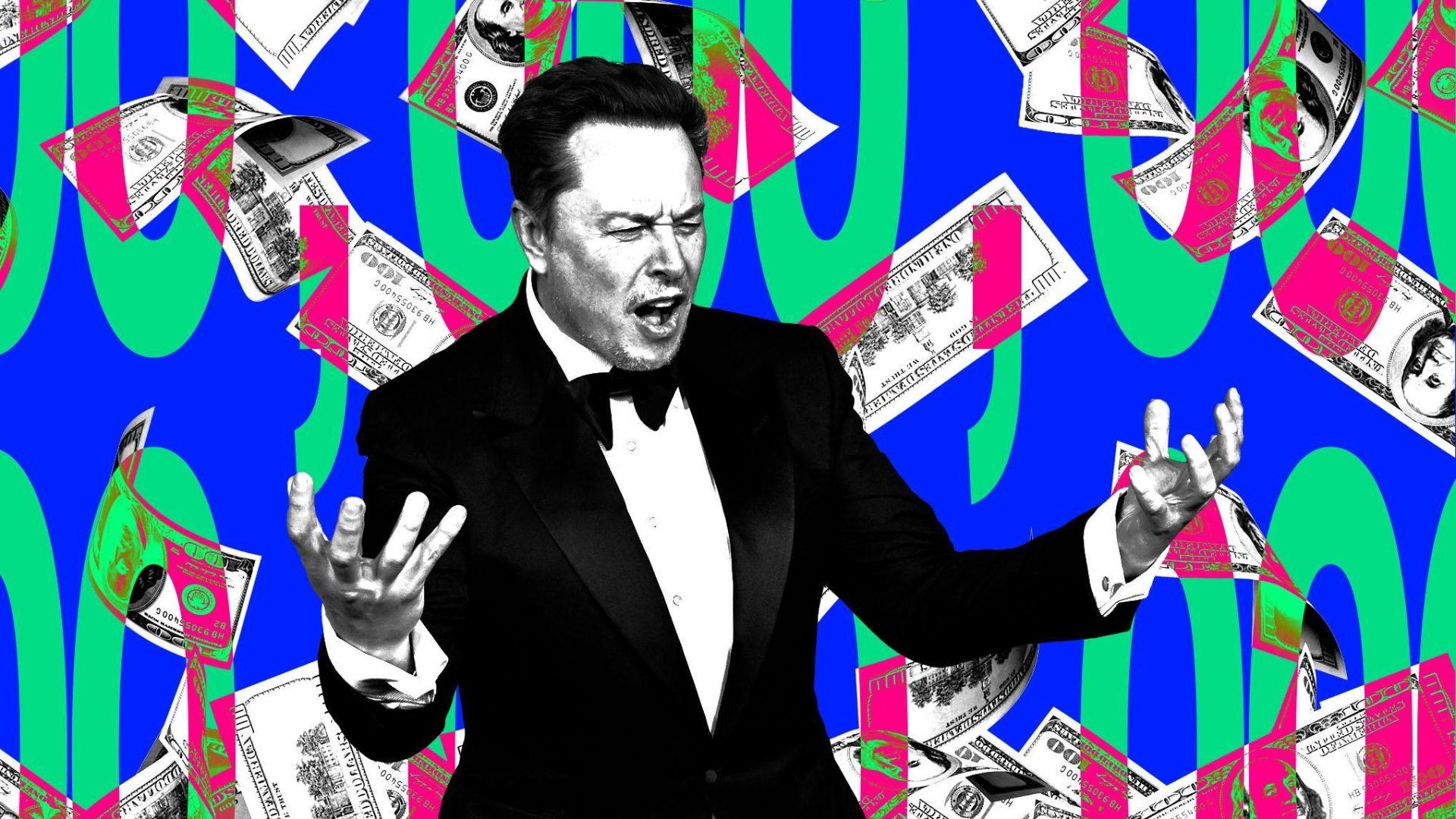
Elon Musk became the world's first trillionaire after SpaceX completed its IPO, pushing his net worth past the $1 trillion mark. Before the listing, his wealth sat at roughly $800 billion. SpaceX shares opened at $150, comfortably above the $138 per share level that analysts identified as the minimum price needed to push Musk's total across the 13-figure threshold, according to The Verge. His 4.8 billion SpaceX shares, combined with holdings in Tesla and other companies, account for the total.
What happened
SpaceX went public and Elon Musk’s net worth cleared $1 trillion as a result. His pre-IPO wealth was already around $800 billion, driven largely by Tesla and his other holdings. The IPO added a decisive push.
Musk owns 4.8 billion shares in SpaceX. The stock opened at $150 per share and has stayed above that level since. The critical number was $138 per share: that is the price at which his SpaceX stake alone, combined with his other assets, tips his total net worth into 13-figure territory.
Earlier this year, SpaceX consolidated Musk’s rocket, AI, and social media operations under one corporate structure. The company’s S-1 filing describes its stated mission as building “the systems and technologies necessary to make life multiplanetary, to understand the true nature of the universe, and to extend the light.”
The numbers at a glance
| Data point | Figure |
|---|---|
| Net worth before IPO | ~$800 billion |
| Net worth after IPO | $1 trillion+ |
| SpaceX shares held by Musk | 4.8 billion |
| IPO opening share price | $150 |
| Minimum share price for $1T threshold | $138 |
Why it matters
The headline number is striking, but the more relevant detail for businesses is what the SpaceX IPO structure signals. Musk has folded AI and social media platforms into SpaceX’s corporate umbrella. That means xAI (his AI company) and X (formerly Twitter) are now part of the same publicly traded entity as the rocket business.
For anyone running ads on X or using Grok through xAI’s API, the IPO introduces a new layer of public accountability and shareholder pressure. Decisions that were previously made privately by Musk now have to be disclosed to public markets. That is not always a constraint, but it is a different operating environment.
The consolidation also means SpaceX’s valuation now partially reflects the performance of those AI and social media assets, not just launches and satellites. Investors are betting on the combined entity, which makes it harder to assess any single piece of the business on its own.
Our take
A trillion-dollar net worth is a remarkable number, and the SpaceX IPO is a genuinely significant financial event. That said, a few things are worth keeping in mind before reading too much into it.
First, paper wealth tied to a single stock at IPO prices is volatile. SpaceX shares need to hold above $138 for the trillionaire label to stick. Opening day prices and sustained prices are not the same thing.
Second, bundling AI, social media, and rocket assets into one S-1 makes for a complicated investment thesis. Investors who wanted exposure to commercial spaceflight are now also implicitly betting on xAI and X’s advertising business. Those are very different risk profiles.
Third, for our clients who use X for paid social or Grok for any AI tooling: watch how public market pressure affects product decisions and ad pricing over the next few quarters. IPOs tend to sharpen the focus on revenue, and that often means changes to platform economics.
What to do about it
If you run paid campaigns on X, set a calendar reminder to review your CPM and CPL benchmarks quarterly. Post-IPO, platforms under shareholder scrutiny often adjust ad inventory or targeting in ways that affect cost and reach. Keep a baseline now so you can spot shifts early.