Apple’s Camera AirPods and Second Foldable iPhone: What We Know for 2027
Bloomberg's Mark Gurman reports Apple is testing camera-equipped AirPods for a late 2027 launch, alongside a second foldable iPhone. Here's what we know.
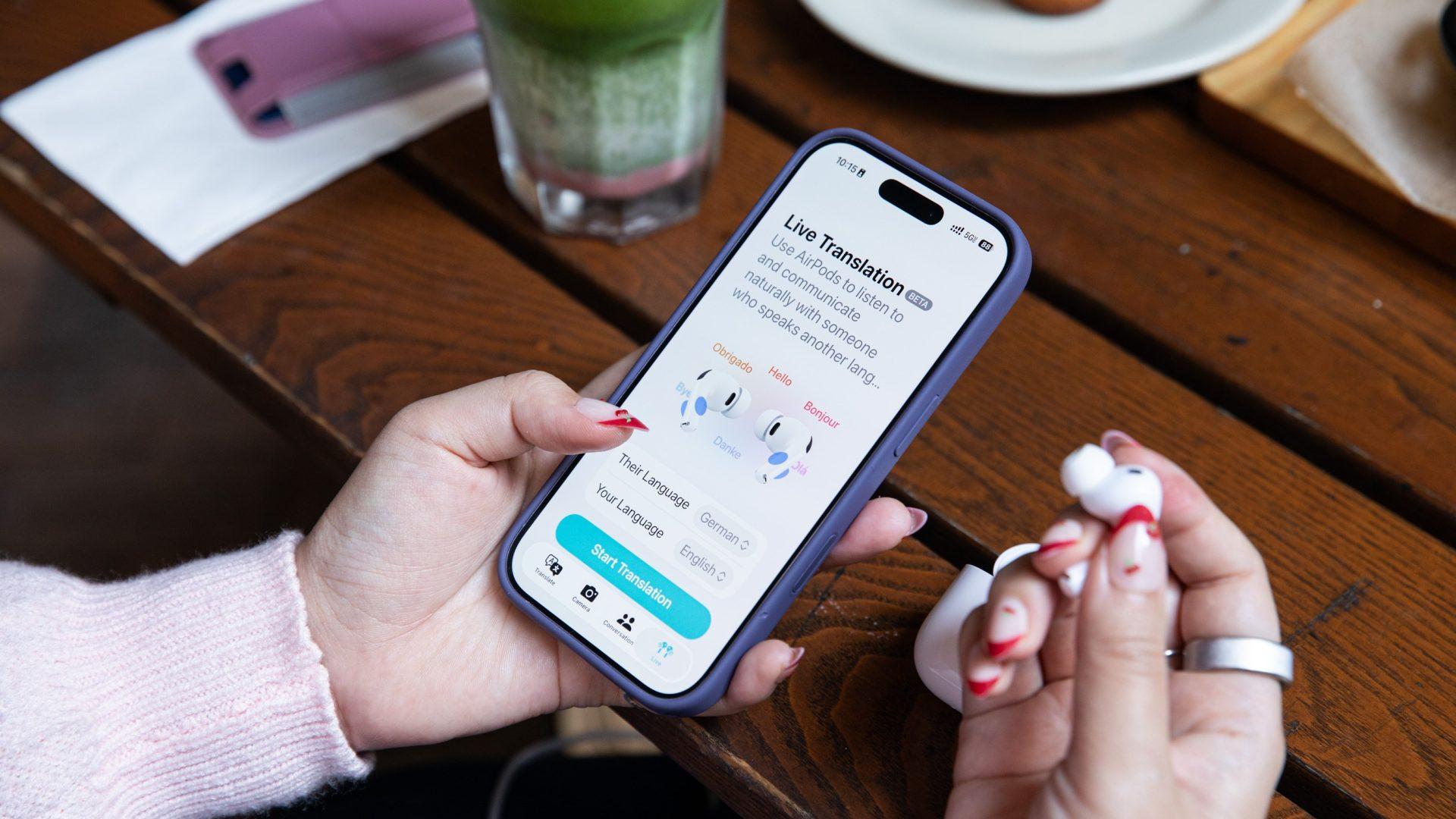
Bloomberg reporter Mark Gurman has shared new details on Apple hardware expected to arrive in 2027, following this year's WWDC announcements. According to Gurman, AirPods with cameras built into their stems are currently on schedule for a late 2027 launch. Apple is testing them internally alongside iOS 28, the software update planned for the following year. A second foldable iPhone is also reportedly in development for a similar timeframe. Together, the two products signal Apple's next push to put AI capabilities into more of its physical devices.
What happened
After WWDC wrapped up, Bloomberg’s Mark Gurman published details on two pieces of Apple hardware rumored for 2027: camera-equipped AirPods and a second foldable iPhone.
On the AirPods front, Gurman reports the devices are currently on schedule for a late 2027 launch. The cameras would sit in the stems of the earbuds. There would also be indicator lights that turn on when the device is uploading data to the cloud, a detail that points directly at privacy considerations Apple will likely need to address publicly before launch.
Internally, Apple is testing the new earbuds with iOS 28, meaning the software to support them is being built in parallel with next year’s operating system update, not the current iOS 27 beta cycle.
Why it matters
The camera detail is the most significant part of this story. According to Gurman, the goal is to give an upgraded version of Siri “visual context” about a user’s surroundings. That is a meaningful step beyond what current voice assistants can do.
Right now, Siri and its competitors respond to what you say or type. Adding a live camera feed from something you are already wearing changes the input method entirely. Instead of describing a problem to your assistant, the assistant could simply see it.
The indicator lights are worth noting too. Apple is apparently building a physical signal into the hardware to show when data leaves the device. Whether that satisfies regulators and privacy advocates in Europe and elsewhere remains to be seen, but it shows Apple is designing the feature with that scrutiny in mind from the start.
The second foldable iPhone, while less detailed in Gurman’s report, matters for a different reason. Apple released its first foldable iPhone in 2025. A second generation arriving in 2027 would follow a roughly two-year update cycle, which matches how Apple has historically iterated on new product categories after the first version ships.
Our take
From where we sit, the camera AirPods are genuinely interesting, but 2027 is a long way out and hardware rumors at this stage often shift. What is notable here is not the product itself but the direction it confirms: Apple is building toward ambient AI, where the assistant gathers context passively from the environment rather than waiting for a specific prompt.
That has real implications for how businesses think about customer interactions, accessibility tools, and even how their own teams work. A Siri that can see what an employee is looking at in a warehouse or a retail floor is a different product from one that just sets timers and plays music.
The indicator light detail is also a smart move to watch. If Apple bakes a visible privacy signal into the hardware design, it sets a precedent that other wearable AI device makers will face pressure to follow. That could matter for any business evaluating wearable AI tools for staff.
One honest caveat: this is still a rumor sourced from internal testing. Schedules slip, features get cut, and late 2027 gives Apple a lot of time to change direction. Treat this as a signal about Apple’s intent, not a confirmed product roadmap.
What to do about it
No action is needed today, but if your business is evaluating AI assistant tools or wearable tech for staff, keep an eye on how the camera-Siri integration develops over the next 12 to 18 months. The real test will come when iOS 28 developer betas surface and show what APIs Apple opens up to third-party apps around visual context. That is the moment to pay close attention.