Anthropic Suspends Model Access in India, Sparking Policy Debate
Anthropic has suspended access to its newest AI models in India, prompting tech leaders and policymakers to question India's reliance on foreign AI providers.
Anthropic suspended access to its newest AI models in India, according to a TechCrunch report from June 13, 2026. The move caught Indian developers and businesses off guard and quickly became a flashpoint in a broader conversation about whether India's AI ambitions are too dependent on a small number of US-based providers. Tech leaders are now debating what the suspension means for the country's longer-term AI strategy.
What happened
Anthropic cut off access to its latest AI models for users in India. The timing and specific reason for the suspension were not detailed in the source report, but the impact was immediate enough to pull prominent voices in India’s tech community into public debate.
The episode follows a pattern seen elsewhere: a foreign AI provider makes a product or access decision, and entire ecosystems built on top of that provider find themselves without warning or recourse. For Indian developers and companies that had integrated Anthropic’s models into their products, the suspension created a direct operational problem.
Why it matters
India has been positioning itself as a serious AI player, with government investment, startup activity, and a large base of English-speaking developers. But this situation exposes a structural vulnerability: a significant portion of that activity runs on infrastructure controlled by a handful of US companies.
When one of those companies restricts access, even temporarily, the downstream effects are real. Products break. Demos fail. Client commitments become hard to keep. According to TechCrunch, tech leaders in India are now openly questioning whether the Anthropic episode is a wake-up call.
The debate breaks down into at least two camps:
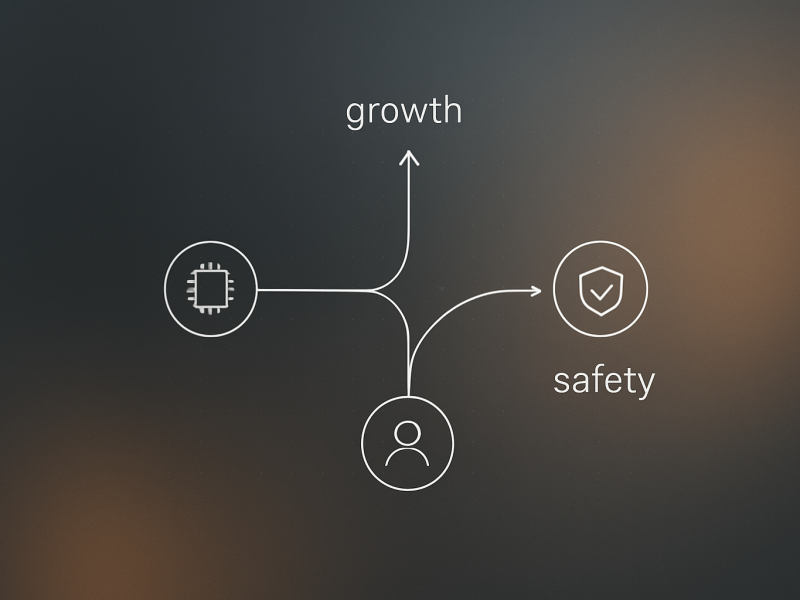
- Build domestic alternatives. Some argue India needs its own frontier models or at minimum its own compute infrastructure, so access cannot be switched off from abroad.
- Diversify provider relationships. Others say building sovereign AI is expensive and slow, and the more practical fix is to avoid single-provider dependency by spreading workloads across multiple platforms.
Neither path is cheap or fast, which is exactly why the debate has sharpened now rather than before the problem arrived.
Our take
From where we sit, this is less about Anthropic specifically and more about a risk that most businesses using any single AI API have quietly accepted without pricing it in. Provider suspensions, regional restrictions, and abrupt deprecations are not hypothetical. They happen. India’s scale just made this one visible.
For any business running a product or workflow on a single AI provider, this is a useful reminder to ask a basic question: what is your fallback if this API goes dark tomorrow? If the answer is “we don’t have one,” that is a product risk sitting in your stack right now.
The sovereign AI argument is interesting at a national level but not very actionable for the average operator. The diversification argument is. OpenAI, Google, Meta’s open-weight models, and several others are all viable depending on the use case. Building with provider-agnostic abstractions from the start costs a little more upfront and saves a lot of pain later.
India’s policy conversation will take time to produce anything concrete. Businesses don’t have that luxury.
What to do about it
If your product or internal tools rely on a single AI model provider, take one concrete step this week: map every integration, note which provider it depends on, and identify at least one credible alternative for each. You don’t need to switch anything now. You need to know what switching would take.