Anthropic’s Mythos 5 Returns, but Only for Select Organizations
After two weeks of negotiations with the Trump administration, Anthropic's Mythos 5 model is back online for a limited group of organizations. The public-facing Fable 5 remains on hold.
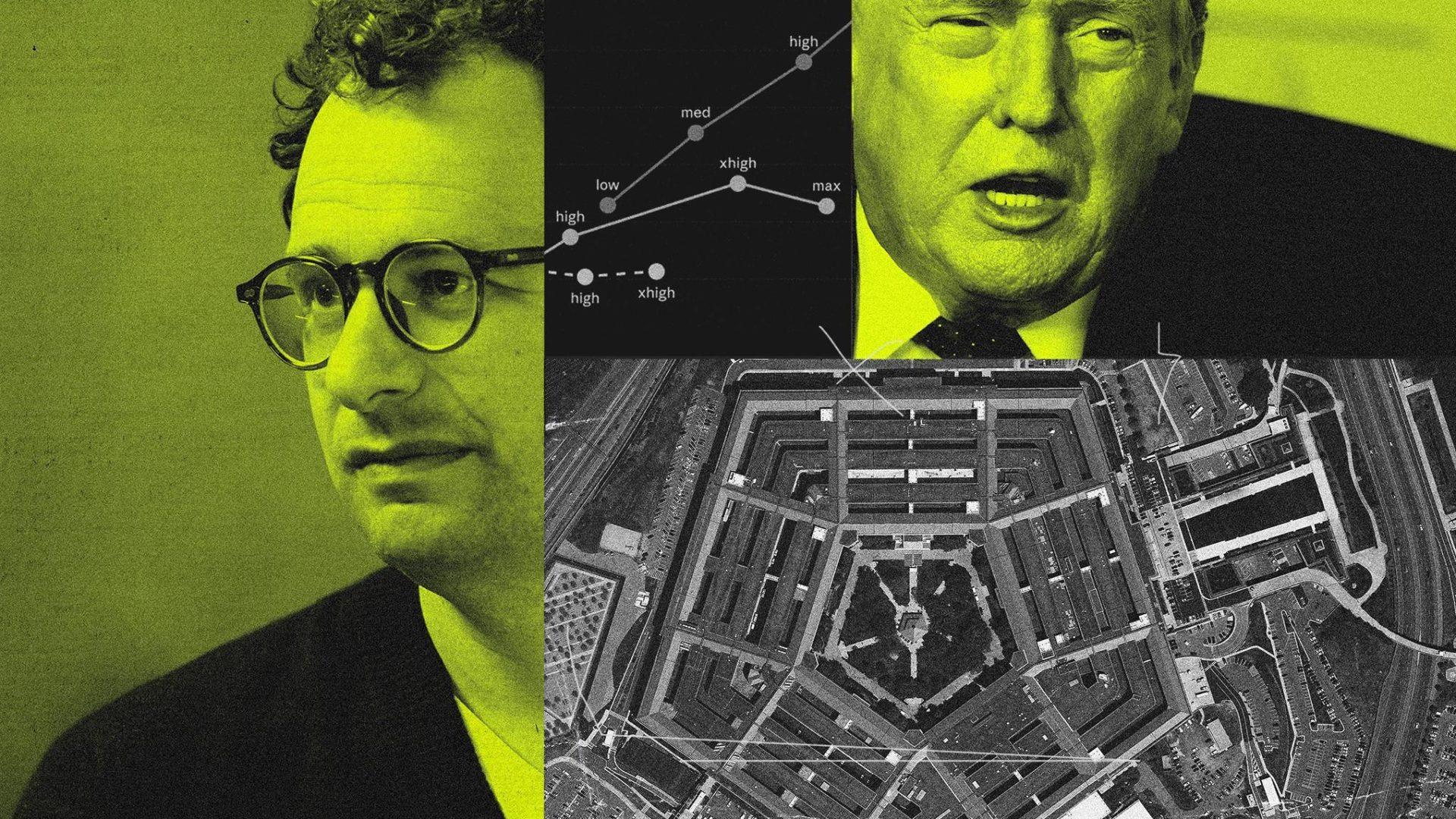
After two weeks of negotiations between Anthropic and the Trump administration, the company's Mythos 5 model is back online, though only for a limited set of organizations. A letter dated June 26th, sent by Commerce Secretary Howard Lutnick to Anthropic co-founder Tom Brown and viewed by The Verge, confirms a revision to licensing requirements that allowed the partial reinstatement. The public-facing version of the model, Fable 5, remains unavailable with no timeline in sight.
What happened
Anthropic’s Mythos 5 model went through a two-week negotiation process with the Trump administration before being partially reinstated. The reinstatement is limited: only a select group of organizations currently has access.
The details come from a letter dated June 26th, sent by Commerce Secretary Howard Lutnick to Tom Brown, an Anthropic co-founder who had been leading the negotiations on the company’s side. The Verge viewed the letter directly. It cites a “revision to the license requirements” as the basis for restoring access.
Fable 5, which is described as the public-facing model in the Mythos class, is a separate matter. According to The Verge’s reporting, it remains in limbo with no apparent agreement or timeline for a broader rollout.
Why it matters
This situation is a clear signal that U.S. government oversight of frontier AI models is no longer theoretical. A leading AI lab spent two weeks in direct negotiations with a cabinet secretary just to get its own model back online. That is a meaningful shift in how AI products reach users.
For businesses that had been planning to build on Mythos 5 or Fable 5, the episode surfaces a real operational risk: access to powerful models can be interrupted or restricted by policy decisions that have nothing to do with the technology itself.
The split outcome matters too. Restoring access for a narrow set of organizations while leaving the public version on hold suggests the government is drawing a line between controlled, vetted use cases and broad consumer availability. That distinction could become a template for how other advanced models are regulated going forward.
Our take
The source excerpt here is incomplete, so we are working with limited facts. That said, a few things stand out.
First, Tom Brown leading negotiations is notable. Co-founders do not typically handle licensing talks with cabinet secretaries unless the stakes are high and the situation has escalated past normal business channels.
Second, the two-week gap matters for anyone building products on top of these models. If a government dispute can pull a model offline for that long, teams need to think seriously about fallback options and what a multi-model strategy looks like in practice. Relying on a single frontier model as a core dependency is a risk that most product teams are underestimating right now.
Third, the Fable 5 situation is the part to watch. A model being available to vetted organizations but not the public is not a stable long-term state. Either the licensing terms get resolved and it opens up, or it becomes a pattern where powerful models are restricted to enterprise or government partners and the public gets a lesser tier. Either outcome has real consequences for how competitive the AI tooling market stays.
What to do about it
If your business depends on any single AI model API, now is a good time to audit that dependency:
- Identify which workflows would break if access to your primary model was suspended for one to two weeks.
- Test at least one alternative provider on your most critical use cases so a swap is not a cold start.
- Follow the Fable 5 situation specifically if you were planning a consumer-facing product built on Mythos-class capabilities. Do not build a launch timeline around a model that has no confirmed availability date.
Watch the licensing terms that come out of the Lutnick-Brown correspondence once the full letter is public. Those terms will likely set the precedent for how other frontier models are governed in the U.S.