Anthropic’s Model Hardware Standard Lets AI Agents Control Physical Devices
Anthropic's Model Hardware Standard (MHS) gives AI agents a common driver layer to control physical lab equipment, cutting setup time from months to hours.
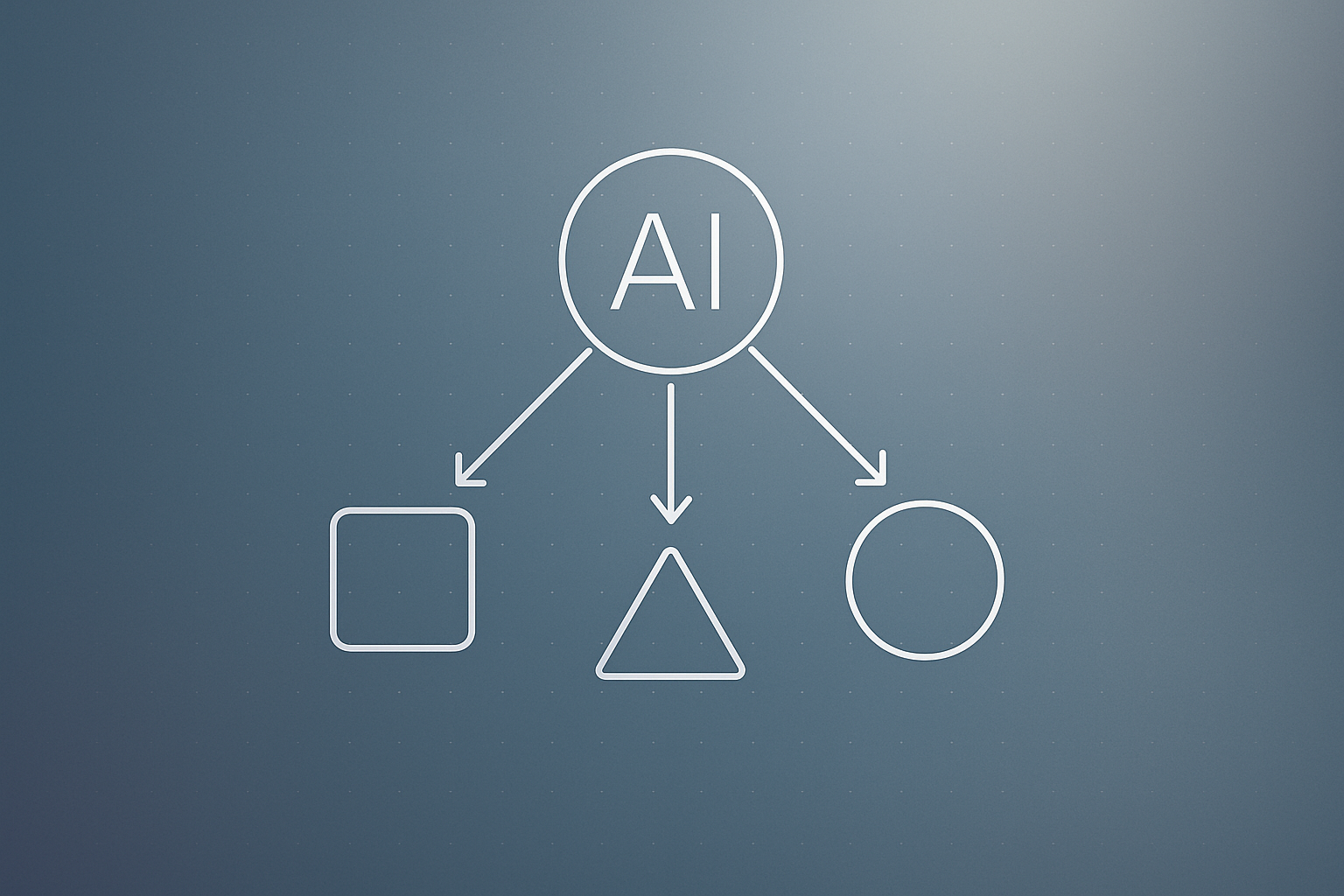
Anthropic has announced the Model Hardware Standard (MHS), a research-preview set of standardized drivers that lets AI agents interface with and control physical hardware. Currently aimed at scientific research environments, MHS provides a common communication layer between disparate lab devices like microscopes, cameras, and laser rigs, removing the need for custom integration software. According to Anthropic, it can cut hardware setup time from weeks or months down to hours or minutes.
What happened
| Detail | Fact |
|---|---|
| Product name | Model Hardware Standard (MHS) |
| Stage | Research preview |
| Developed by | Anthropic |
| Initial use case | Scientific lab equipment coordination |
| Claimed time saving | Weeks or months of setup reduced to hours or minutes |
| Inspiration site | HHMI Janelia Research Campus, Ashburn, Virginia |
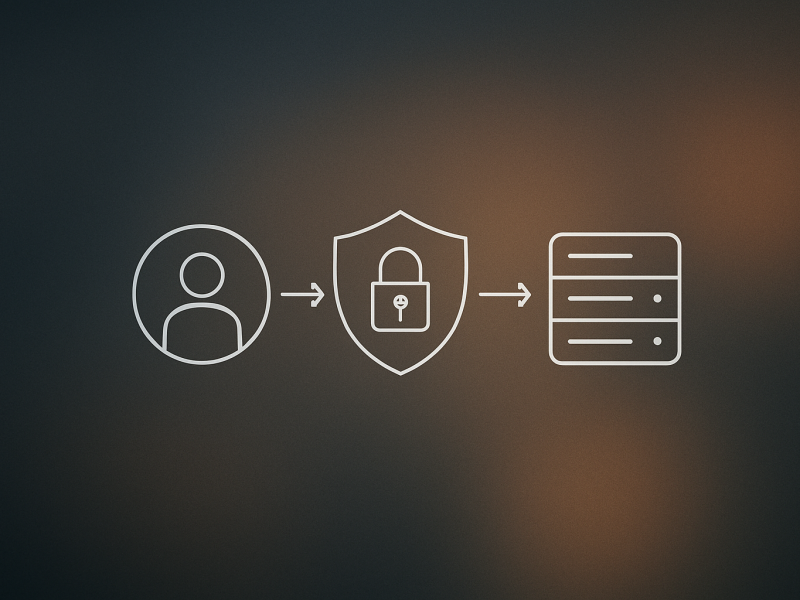
Anthropic’s MHS is a layer of standardized drivers that sits between an AI agent and whatever physical devices it needs to operate. Instead of writing a bespoke “translator” program for every piece of hardware, devices expose themselves through a common interface and a common data format, then communicate across a network. The AI agent talks to the standard; the standard talks to the device.
The idea came from Anthropic Technical Staffer Alek Kemeny watching neuroscientist Arco Bast run a memory-formation experiment at HHMI Janelia Research Campus. Bast had already built a custom interface to get rotating laser beams, microscopes, and cameras working together. Kemeny’s reaction, according to the announcement video: “This idea could be used to have AI run any science experiment in the world.”
Why does this matter beyond the lab?
Agentic AI has so far lived almost entirely inside computers, operating on text, images, and code. MHS is a formal attempt to push that boundary into the physical world. If a standard sticks, it means any AI agent that speaks MHS can control any compliant device, without a custom software project in between.
That has obvious value for research institutions. It also has longer-term implications for manufacturing, quality control, and any business that runs physical processes alongside digital workflows. A standard driver layer is exactly how previous generations of hardware (think USB or MIDI) went from niche to ubiquitous.
For teams already exploring AI integration in their operations, this is worth watching. The pattern Anthropic is establishing, a translation layer between agents and hardware, mirrors what middleware and API layers did for software a decade ago. Get familiar with the pattern now and you will be ahead when compliant hardware starts shipping.
Our take
Anthropic is smart to start with science labs. Researchers are motivated, technical, and tolerant of rough edges in a research preview. It is a low-stakes proving ground for a standard that, if it works, could matter far beyond pipettes and microscopes.
That said, “research preview” means this is early. The history of hardware standards is littered with well-intentioned specs that never reached critical mass because vendors did not adopt them. MHS needs hardware manufacturers to ship compliant firmware, and that is a different challenge from writing a protocol document.
The framing of “AI running any science experiment in the world” is ambitious. Right now it is one neuroscience lab as proof of concept. Businesses should keep an eye on which device makers sign on, not on the vision statement. Check back when there is a list of certified hardware. For now, it belongs on your radar alongside other agentic-AI developments we have been covering across the industry.
What to do about it
- Read Anthropic’s MHS documentation when it is publicly available and note which device categories are supported first.
- Ask your hardware or lab equipment vendors whether they plan to implement MHS drivers.
- Map any existing physical processes in your business that currently require custom software to connect to digital systems. These are the candidates for MHS when it matures.
- Revisit your AI agent strategy once compliant hardware is listed. The value of MHS is network effects: it grows as more devices support it.
The standard is only as useful as the hardware that speaks it. Watch the vendor list, not the press release.
Frequently asked questions
What is Anthropic's Model Hardware Standard (MHS)?
MHS is a set of standardized drivers, currently in research preview, that allows AI agents to interface with and control physical devices through a common communication layer, removing the need for custom software integrations between each device.
What can MHS actually do right now?
In its current research preview, MHS is aimed at scientific lab environments. It lets disparate equipment like microscopes, cameras, and laser systems share data and coordinate across a network without bespoke translator programs. Anthropic says it can reduce weeks or months of setup to hours or minutes.
Who inspired the Model Hardware Standard?
Anthropic Technical Staffer Alek Kemeny credits neuroscientist Arco Bast at HHMI Janelia Research Campus in Ashburn, Virginia. Watching Bast coordinate multiple pieces of lab hardware through a single interface gave Kemeny the idea for a universal standard.
Is MHS ready for business use?
Not yet. Anthropic has released it as a research preview focused on scientific labs. Broader adoption will depend on hardware manufacturers implementing compliant drivers, which has not been announced.