Anthropic Is Building Its Own Chip Team to Run Claude In-House
Anthropic confirmed it is hiring a custom silicon team to design chips for running Claude. It plans a multi-chip approach alongside third-party hardware.
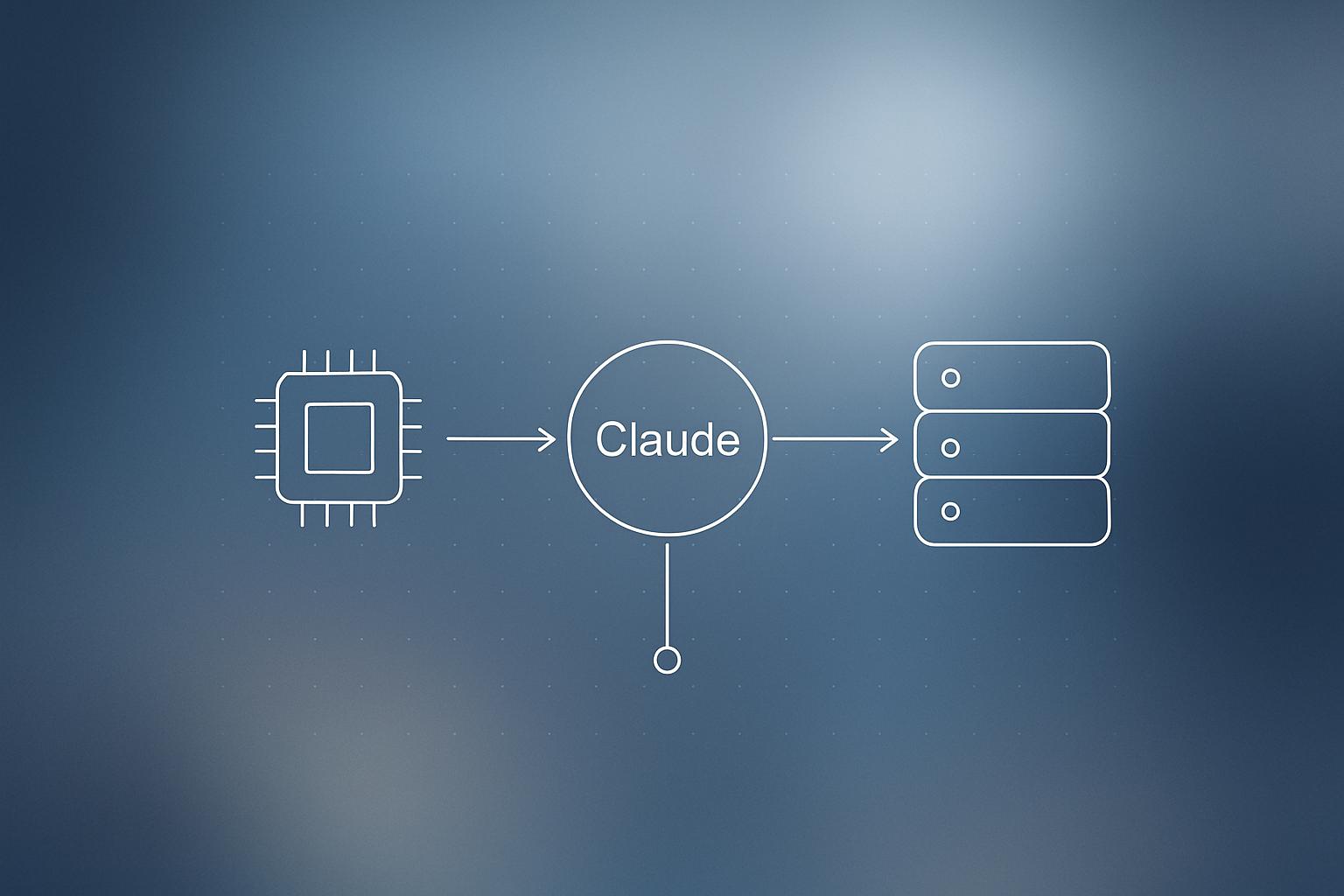
Anthropic has confirmed it is assembling an in-house custom silicon team to design chips for running its Claude models. The news came after Business Insider spotted job listings for a senior silicon engineer and a technical program manager on Anthropic's job board. A company spokesperson confirmed the plans to both Business Insider and TechCrunch, adding that Anthropic will take a "multi-chip approach," continuing to use hardware from outside partners alongside whatever it builds internally.
What happened
| Detail | Fact |
|---|---|
| What Anthropic announced | Hiring a custom silicon team to design chips for running Claude |
| Roles spotted | Senior silicon engineer, technical program manager (silicon) |
| Hardware strategy | Multi-chip: own designs plus third-party hardware |
| Previously reported manufacturing partner | Samsung (per The Information) |
| Co-design plan | Hardware and model teams will work side by side inside Anthropic |
Anthropic made this public after Business Insider noticed the job listings and asked for comment. The company confirmed the plans to both Business Insider and TechCrunch. The Samsung manufacturing partnership had been reported earlier by The Information, but this is the first time Anthropic has directly confirmed the direction.
Why it matters
Anthropic is joining a growing list of AI labs that no longer want to depend entirely on Nvidia for compute. OpenAI recently announced a custom inference chip called Jalapeño, built with Broadcom. Google has run models on its own Tensor Processing Units for years. Meta has deployed its own chips too, and Mistral is reportedly exploring the same move.
There are two clear reasons behind this trend. First, Nvidia holds enormous leverage over the entire AI industry, and that dependency is a strategic risk when compute demand consistently outpaces supply. Second, designing chips and models together can produce better performance than buying general-purpose hardware and hoping for the best. Anthropic has co-designed hardware with outside partners before, but bringing that work in-house should give it tighter control over both.
There is also a competitive pressure angle. If smaller, cheaper, or open-weight models keep attracting developers who want to run inference on their own hardware, frontier labs need every efficiency advantage they can find. Custom silicon is one lever they can pull.
Our take
This is a logical move, but it is early. Anthropic is still hiring the core team, which means any real-world benefits are at least two to three chip generations away. Building silicon is expensive, slow, and requires a very different skill set than building transformers. Google and Meta spent years getting this right, and even they still buy Nvidia hardware in large quantities.
For businesses currently building on Claude through the API, nothing changes in the near term. The multi-chip approach means Anthropic is not betting everything on unproven internal hardware. Watch for whether the Samsung manufacturing rumor gets confirmed officially, and whether any future Claude model announcements mention performance gains tied to custom silicon.
If you are evaluating which AI provider to build on for the long term, vertical integration in compute is a signal worth tracking. It tends to compress inference costs over time, which eventually flows through to API pricing. We covered a related shift when Microsoft quietly cut Anthropic’s share of Copilot traffic in favour of OpenAI’s own models, a reminder that hardware and distribution advantages compound fast in this space. Teams exploring how to wire AI models into their own products can also look at what AI integration actually looks like in practice.
What to do about it
- Keep using the Claude API as normal. No changes to pricing or availability have been announced.
- Watch Anthropic’s job board. The pace of silicon hires will signal how seriously and how quickly they are moving.
- Track OpenAI’s Jalapeño chip rollout as a leading indicator of what custom silicon can deliver for inference costs and speed.
- If you are locking in a multi-year AI infrastructure contract, factor in whether your provider has a credible compute independence story.
Frequently asked questions
Is Anthropic making its own chips?
Yes. Anthropic confirmed it is hiring a custom silicon team to design chips for running its Claude models. It plans a multi-chip approach, meaning it will also continue using hardware from outside companies.
Will Anthropic stop using Nvidia GPUs?
No. Anthropic explicitly said it will take a multi-chip approach, using its own designs alongside hardware from other manufacturers, which includes existing providers like Nvidia.
Who is Anthropic partnering with to manufacture chips?
The Information previously reported that Anthropic was considering Samsung as a manufacturing partner, but Anthropic has not officially confirmed a specific fabrication partner.
How does this compare to what OpenAI is doing with chips?
OpenAI recently announced a custom inference chip called Jalapeño, developed in partnership with Broadcom. Anthropic is at an earlier stage, still hiring its core silicon team.