Amazon’s Data Centers Used 2.5 Billion Gallons of Water in 2025
Amazon disclosed its data centers consumed 2.5 billion gallons of water in 2025, a 2% drop year-over-year, at 0.12 liters per kilowatt-hour of electricity used.
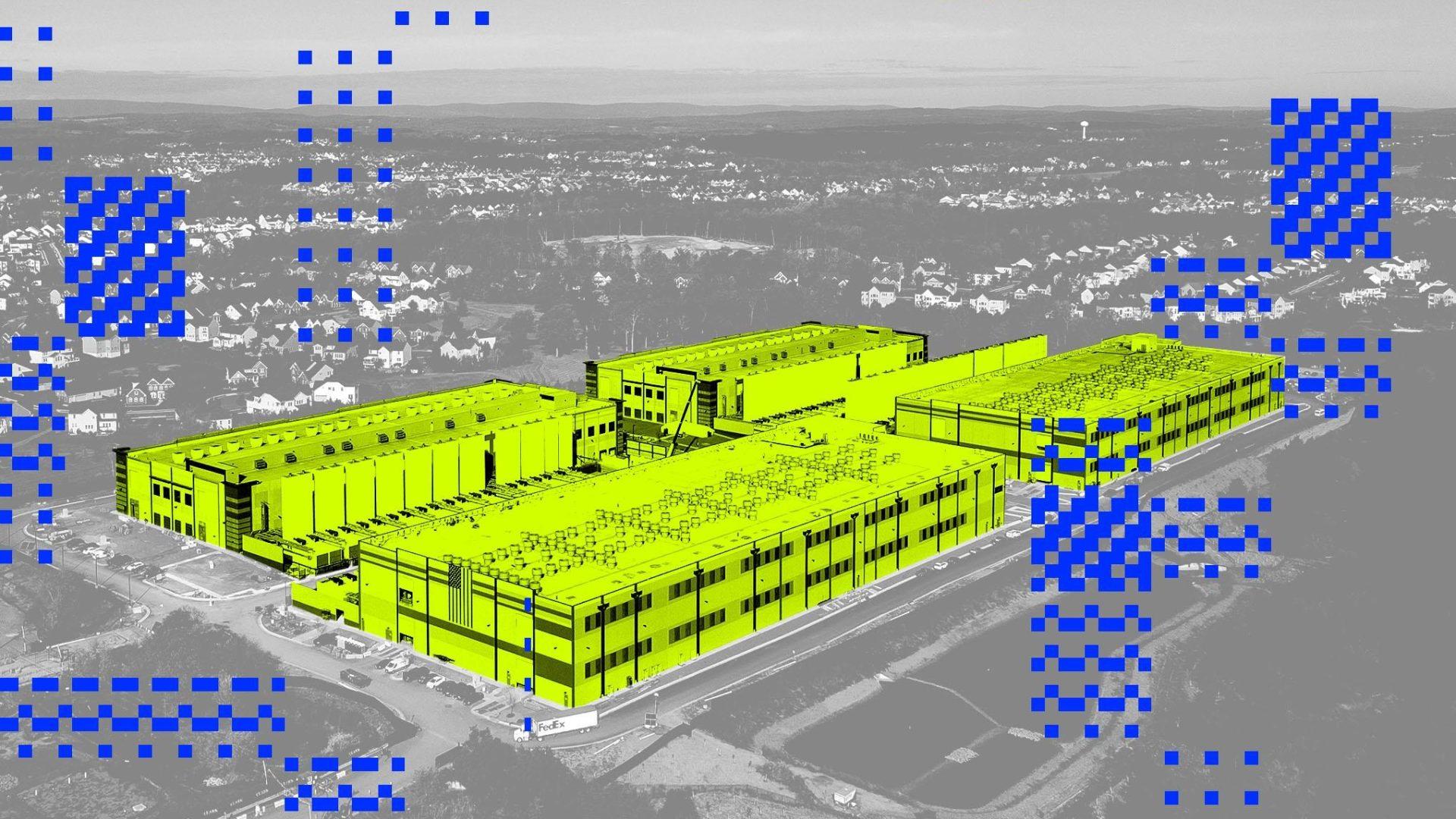
Amazon has disclosed, reportedly for the first time, that its global data center operations consumed 2.5 billion gallons of water in 2025. The figure represents a 2 percent decline from 2024 despite the company expanding its operations during that period. The announcement came shortly after Seattle passed a one-year moratorium on new data center construction, a measure that some Amazon employees had publicly supported. Amazon puts its water intensity at 0.12 liters per kilowatt-hour of electricity and says it compares favorably to several Big Tech peers.
What happened
Amazon published water consumption data for its data centers, a disclosure the company reportedly had not made before. According to Amazon, its facilities used 2.5 billion gallons of water globally in 2025. Despite growing its data center capacity during the year, total water use fell by 2 percent compared to 2024.
The company measured its water intensity at 0.12 liters per kilowatt-hour of electricity consumed. Amazon also included a comparison in its report showing its water efficiency against certain other large technology companies, claiming it performs better than some of those rivals.
The timing is notable. Seattle, where Amazon is headquartered, passed a one-year moratorium on new data center construction just before Amazon released this data. Some of the company’s own employees were among those who advocated for that moratorium.
Why it matters
Water consumption at data centers has become a real point of friction in communities where AI infrastructure is expanding fast. New facilities require significant water for cooling systems, and local governments are starting to push back. Seattle’s moratorium is one of the clearest examples yet of a city drawing a line.
For Amazon, which operates one of the largest cloud infrastructure networks in the world through AWS, the scale here is significant. 2.5 billion gallons is a number that is easy to gloss over, but it equals roughly 3,800 Olympic-sized swimming pools. The fact that the company had not previously reported this figure publicly adds to the weight of the disclosure.
The broader debate around AI data center construction now routinely includes both energy and water use. Regulators, local governments, and community groups are increasingly asking for this kind of data before approving new builds. Amazon releasing these numbers, even voluntarily, signals that the pressure to be transparent is growing across the industry.
Our take
A 2 percent reduction in water use while expanding operations is a real improvement, and we will not pretend otherwise. But it is worth keeping a few things in mind before treating this as a clean win.
First, Amazon chose to release this data in the same week Seattle’s moratorium made headlines. That context matters when evaluating the intent and completeness of the disclosure. Second, the company’s own comparison graphic positions it favorably against competitors, but that comparison is presented by Amazon itself, not by an independent auditor. We do not know the full methodology.
Third, 0.12 liters per kilowatt-hour sounds precise, but without knowing how that number changes across different regions, seasons, or facility types, it is hard to judge. A data center running in a water-stressed region drawing from a stressed aquifer is a different story from one operating in a rainy climate.
For any business evaluating cloud vendors based on sustainability credentials, this data is a starting point, not a final answer. Ask your cloud provider which specific regions your workloads run in, and whether those regions face water stress.
What to do about it
If sustainability is a real factor in your vendor decisions, here are concrete steps worth taking now:
- Ask your AWS, Azure, or Google Cloud account manager which data center regions handle your workloads by default.
- Cross-reference those regions against publicly available water stress maps, such as those published by the World Resources Institute.
- Check whether your cloud provider publishes water intensity data by region, not just as a global average.
- If you are planning new AI infrastructure or expanding compute usage significantly, factor water and energy disclosures into your vendor review the same way you would cost or uptime guarantees.
The data is now on the table. What you do with it is the part that actually counts.