AI Influencers Are Getting Harder to Spot — Here’s Why That Matters
AI-generated content creators like Aitana Lopez are blending into social media feeds. We break down how virtual influencers evolved and what it means for audiences.
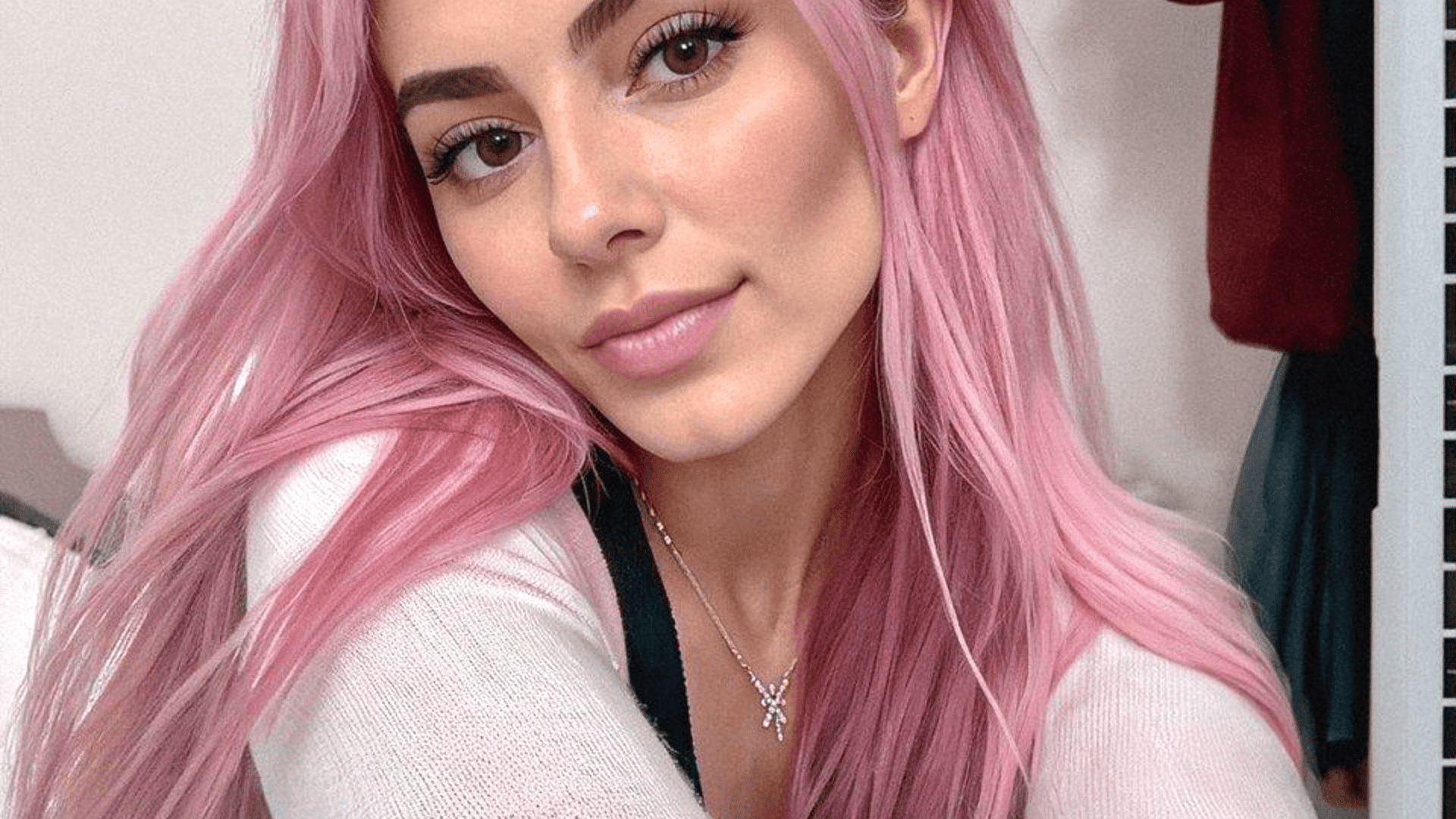
Virtual influencers have been around for years, but for most of that time they were easy to clock and easy to dismiss. That's changing. A new wave of AI-generated personas — photorealistic, brand-ready, and algorithmically optimised — is making it genuinely difficult to tell who is human and who is not. Aitana Lopez, built by Barcelona-based creative agency The Clueless, is one high-profile example of where this technology now sits. The implications for audiences, advertisers, and platform trust are significant.
What happened
The first generation of virtual influencers arrived with obvious tells. Lil Miquela, Imma, and Shudu Gram were clearly digital constructions — stylised, uncanny, and more art project than deception. Brands experimented with them, mostly for novelty value. Audiences were curious but rarely confused.
The current wave is different. Tools for generating photorealistic human likenesses have improved dramatically, and the business case has sharpened. Agencies like The Clueless — the Barcelona studio behind Aitana Lopez — now produce AI personas that secure real brand deals, post regularly across social platforms, and accumulate follower counts that any human creator would envy.
Aitana Lopez has reportedly earned tens of thousands of euros per month through sponsored posts. She doesn’t need a flight, a hotel, a mood, or a contract rider. From a brand’s perspective, that’s a compelling pitch.
The wider trend is picking up speed. Generative image and video tools have made it cheaper and faster to create convincing human likenesses. What once required a specialised CGI studio can now be approximated with accessible software. The barrier to launching an AI influencer persona has collapsed.
Why it matters
The core issue isn’t novelty — it’s disclosure. When audiences engage with a content creator, there’s an implicit assumption of a real person behind the posts. That assumption shapes how people interpret product recommendations, lifestyle content, and even political or social messaging.
Platform rules on AI labelling exist, but they’re applied unevenly. Instagram has a paid-partnership disclosure requirement, but there’s no universal standard for flagging that a persona is entirely AI-generated. TikTok and YouTube have made moves toward AI content labels, but enforcement is patchy and reactive.
For advertisers, the appeal is clear: total control, no scandals, no off-brand behaviour. For audiences, that same dynamic creates a one-sided relationship — you’re being marketed to by something that cannot have a genuine opinion, experience, or stake in what it’s promoting.
There’s also a labour dimension. Human creators — photographers, models, stylists, writers — compete for brand budgets that are increasingly being redirected toward AI-generated alternatives. The Clueless has been explicit that part of Aitana Lopez’s pitch to brands is cost reduction compared to human talent.
Our take
We’re not especially alarmed by the existence of AI influencers. Advertising has always involved constructed personas and aspirational fiction. What does concern us is the pace at which the visual gap is closing while the disclosure infrastructure stays static.
The early virtual influencers were harmless precisely because they were obvious. When Lil Miquela posts, nobody thinks she went to that restaurant. When a photorealistic AI persona posts a skincare routine, the same scepticism doesn’t automatically kick in — and brands know it.
Platforms have a genuine responsibility here, and they’re moving slowly. Self-regulation by agencies like The Clueless is not a substitute for consistent, enforceable labelling. The EU’s AI Act includes provisions around synthetic media disclosure, but implementation is still being worked out. In the meantime, the default is ambiguity — which benefits the advertiser, not the audience.
If you work in content, marketing, or media, get used to treating visual credibility with the same scepticism you’d apply to a headline. The question “is this a real person?” is no longer paranoid. It’s just due diligence.
What to do about it
If you’re a brand or agency weighing up AI influencer campaigns, build explicit disclosure into your briefs now — before regulators force the issue. Label AI-generated personas clearly in bios and post captions, not just buried in terms of service. If you’re a consumer or a creator, reverse-image search and tools like Hive Moderation’s AI detector are imperfect but worth knowing about. And if you run a platform, “we’re working on it” is no longer a credible answer on AI content labelling.